
Exploring Hanoi Through Its Museums: History, Culture, and Art
Content []
Exploring Hanoi Through Its Museums: History, Culture, and Art
Hanoi is often celebrated for its ancient temples, vibrant street food, and centuries-old neighborhoods. Yet beyond the bustling streets lies another fascinating way to understand the city: its museums. Each one opens a different window into Vietnam’s story, revealing layers of history, culture, and artistic heritage that have shaped the country over generations.
From the powerful wartime narratives at the Vietnam Military History Museum to the cultural diversity showcased at the Vietnam Museum of Ethnology and the artistic treasures displayed in the Vietnam Fine Arts Museum, Hanoi’s museums offer visitors a deeper perspective on Vietnam beyond the usual sightseeing.
Whether you are a history enthusiast, an art lover, or simply curious about Vietnamese culture, exploring these museums provides an enriching and memorable experience during your time in Hanoi.
Vietnam Military History Museum – Stories of Vietnam’s Battles and Resilience
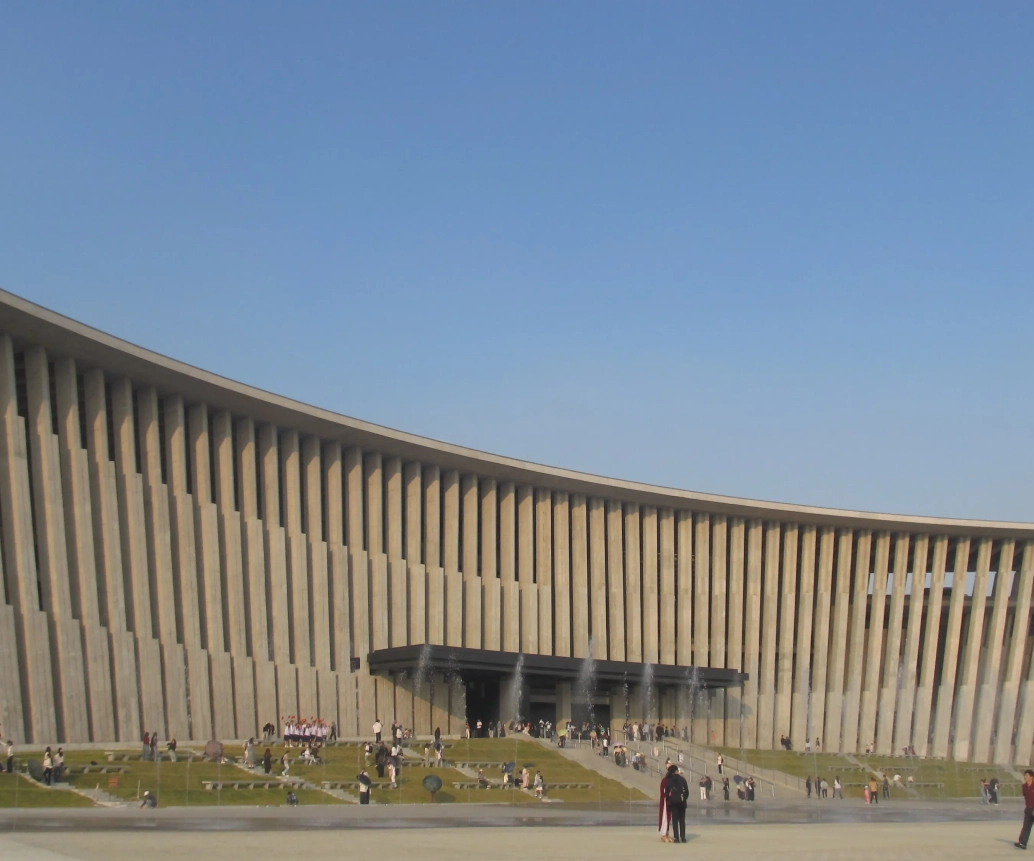
Among the many Hanoi museums, the Vietnam military history museum offers a striking way to step into the country’s past. Located along Thang Long Avenue in the Tay Mo area of Nam Tu Liem District, the museum occupies an enormous space of 386,600 m² and preserves more than 150,000 artifacts, including four national treasures. Since opening to visitors on November 1, 2024, it has quickly become one of the most talked-about museums in Hanoi.
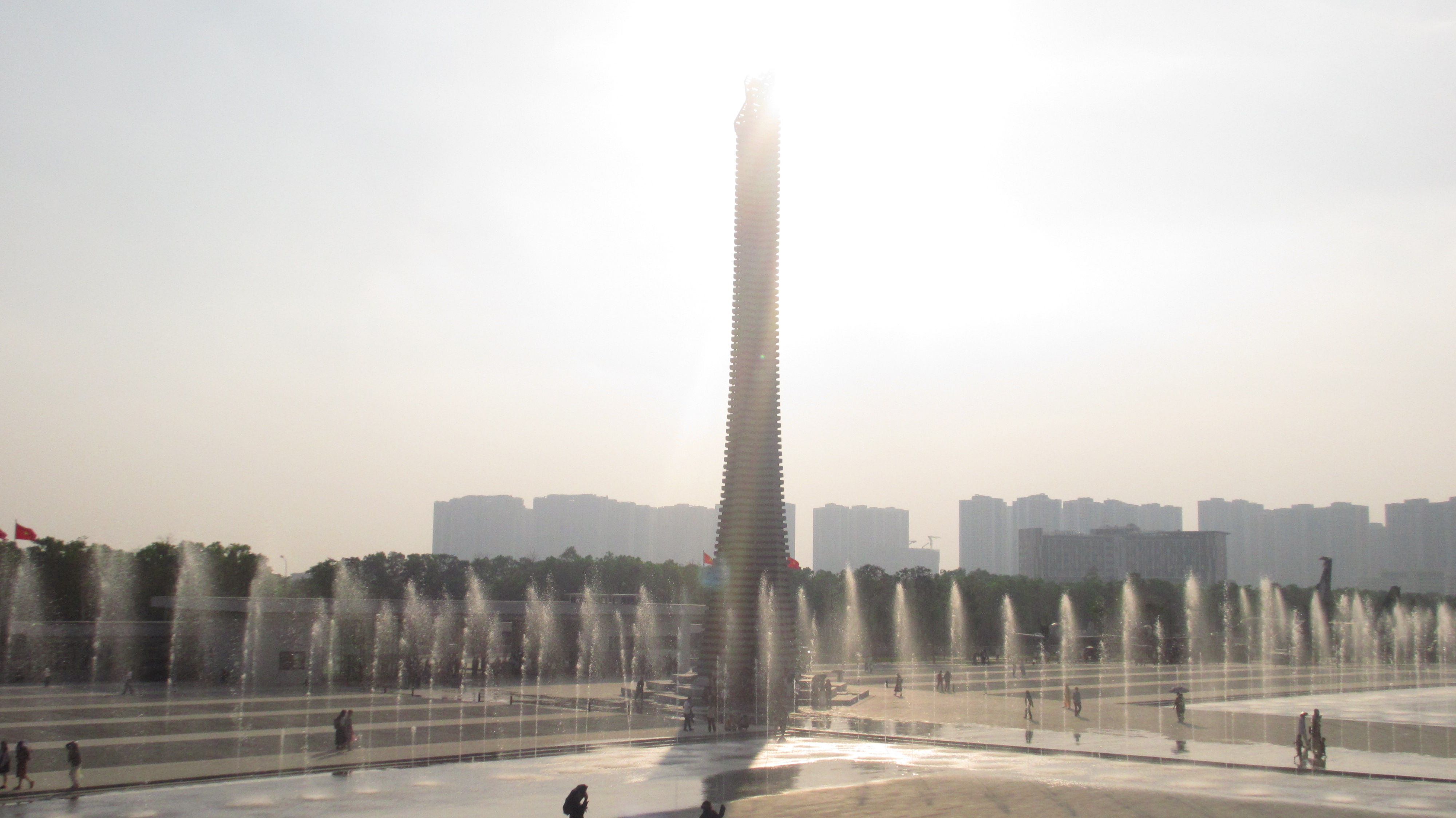
The moment you arrive, the scale of the place is impossible to ignore. The 45-meter Victory Tower rises above the complex like a landmark guiding visitors into the story of Vietnam’s resilience. Inside the main building, history is not just displayed behind glass. Interactive 3D mapping displays, digital screens, audioguides, and QR codes that unlock archival footage help bring historical moments vividly to life.
Exploring the museum feels a bit like walking through a timeline. Outside, large military equipment stands under the open sky: aircraft such as MiG-17 and SU-22, the PT-67 tank, heavy artillery, and even captured aircraft including C-130 and CH-47. These massive machines immediately draw attention and give visitors a sense of the scale of past conflicts.
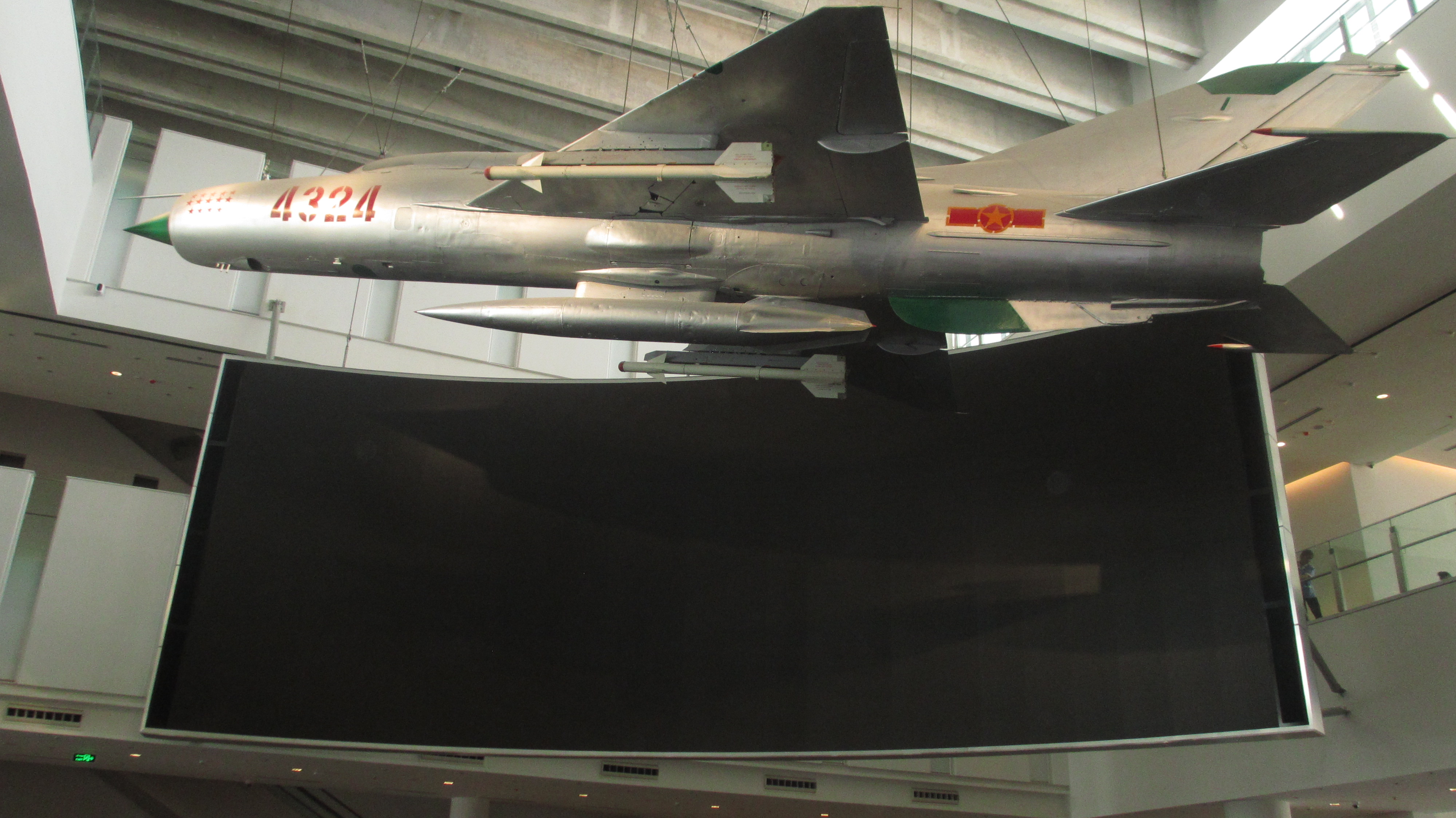
Inside the museum, the story unfolds across six historical themes, guiding visitors from the earliest days of Vietnam’s nation-building to the modern era. One of the most memorable sights is the MiG-21 numbered 4324, suspended dramatically from the ceiling as if frozen mid-flight.
What makes the Vietnam military history museum particularly compelling is the way it blends historical depth with modern storytelling. Walking through the complex, visitors don’t just read about events, they encounter the artifacts, stories, and voices that shaped them. For travelers interested in understanding Vietnam beyond its landscapes and cuisine, this stop among the Hanoi museums offers a powerful and unforgettable perspective on the country’s enduring spirit.
Vietnam Museum of Ethnology – Discover the Diversity of Vietnam’s 54 Ethnic Minority
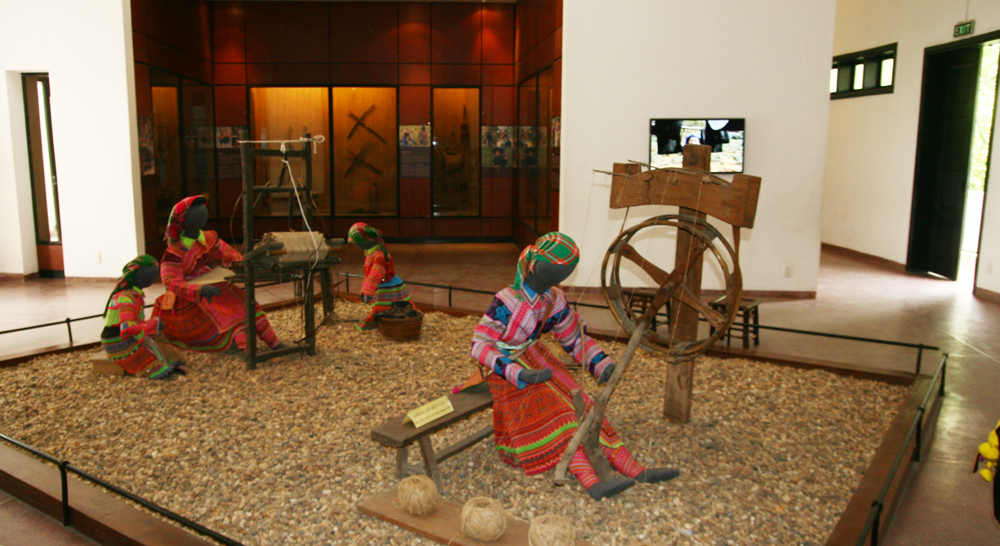
Among the most fascinating Hanoi museums, the Vietnam Museum of Ethnology offers a vibrant journey into the cultures that shape Vietnam. Located on Nguyen Van Huyen Street in Cau Giay District, this 4-hectare museum first opened its doors in November 1997. The design itself reflects cultural collaboration, created by Tay architect Ha Duc Linh together with French architect Véronique Dollfus, blending local perspective with international architectural thinking.
What makes the Vietnam Museum of Ethnology special is the way it invites visitors to explore the diversity of Vietnam’s 54 Ethnic Minority groups through immersive spaces. The museum is divided into three main areas, each offering a different perspective on culture and daily life.
The indoor exhibition building, known as the Bronze Drum Building, presents nine thematic displays that introduce Vietnam’s ethnic and linguistic groups such as Viet–Muong, Thai–Kadai, and Hmong–Dao. Rather than simply presenting artifacts, the galleries reveal how communities live, work, and preserve traditions across the country.
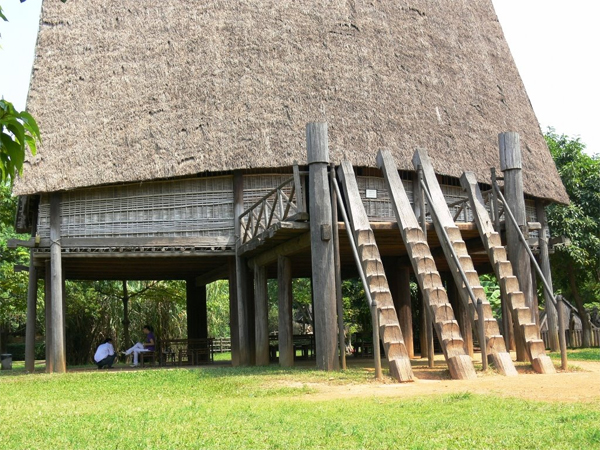
Outside, the experience becomes even more engaging. The open-air exhibition area features full-scale traditional houses from different ethnic communities, including the Ede long house, the towering Ba Na communal house, the Tay stilt house, and the distinctive Gia Rai tomb house. Walking through this space feels less like visiting a museum and more like stepping into villages scattered across Vietnam’s mountains and highlands.
Beyond Vietnam itself, another section introduces the broader cultural landscape of Southeast Asia through displays about textiles, everyday life, and religious traditions. Together, these exhibitions create a deeper understanding of the region’s cultural connections.
The Vietnam Museum of Ethnology is also home to an extraordinary collection of 15,000 artifacts along with 42,000 photographs and films, plus numerous audio and video recordings documenting cultural life. Visitors often encounter live cultural experiences as well, from demonstrations of traditional crafts like brocade weaving, pottery making, and Dong Ho folk painting, to performances of regional folk music.
Because of these lively activities, the museum is often described as a “living museum.” Instead of observing culture from a distance, travelers can experience it in motion. It’s no surprise that TripAdvisor recognized it as one of Asia’s most attractive museums in 2014. For those exploring Hanoi museums, this stop offers a rare chance to discover the remarkable diversity of Vietnam’s 54 Ethnic Minority communities without ever leaving the city.
Vietnam Fine Arts Museum – A Window into Vietnamese Art
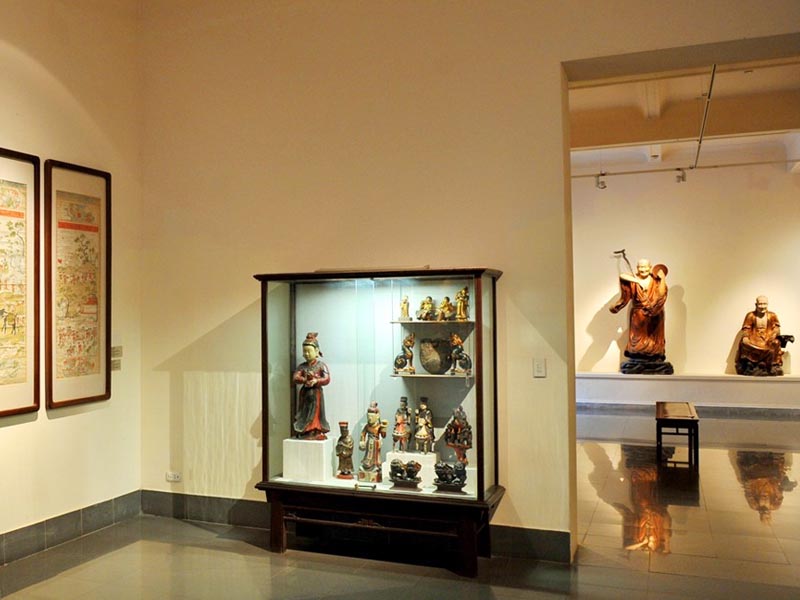
Among the most inspiring Hanoi museums, the Vietnam Fine Arts Museum offers a quiet yet powerful journey into Vietnam’s artistic soul. Housed in a beautifully preserved French colonial building that once served as a dormitory for officials’ children, the structure has been carefully transformed with traditional Vietnamese architectural details such as curved rooflines and elegant column systems. Today, it stands as one of the most visually striking cultural landmarks in the city.
Stepping inside, visitors enter a true treasure house of Vietnamese art, where nearly 20,000 artifacts are preserved, spanning from prehistoric art to contemporary creations. One of the museum’s greatest highlights is its exceptional collection of lacquer paintings, alongside works from the legendary generation of artists from the Indochina Fine Arts School, whose influence shaped modern Vietnamese art history. Among the most valuable pieces are recognized national treasures, including the iconic statue of Guan Yin with a Thousand Eyes and Arms, as well as masterful lacquer artworks considered milestones of Vietnamese creativity.
The museum experience is best enjoyed as a journey through time. On the first floor, visitors encounter ancient art and Buddhist sculptures, creating a serene and contemplative atmosphere. Moving up to the second floor, the space opens into the world of lacquer and silk paintings—two of Vietnam’s most distinctive artistic traditions, rich in texture, color, and cultural symbolism. The third floor introduces modern and contemporary art, offering fresh perspectives on Vietnamese society and its evolving identity. Beneath the main building, the basement houses an impressive ceramic collection that traces Vietnamese craftsmanship from the 11th to the 20th century.
Beyond traditional exhibition spaces, the Vietnam Fine Arts Museum also offers modern ways to engage with art. The iMuseum app, accessed via QR codes, allows visitors to explore detailed audio explanations and digital guides, almost like having a personal curator throughout the visit. For families, the museum includes creative spaces where children can interact with art rather than simply observe it, making the experience more engaging for younger visitors. A 3D virtual tour is also available online, allowing travelers to preview the museum before arriving.
As one of the most refined Hanoi museums, the Vietnam Fine Arts Museum is not just a place to observe art, but a space to feel how Vietnamese creativity has evolved across centuries. For those exploring museums in Hanoi, it offers a quiet yet deeply immersive pause in the city’s cultural rhythm, revealing Vietnam through color, form, and artistic expression.
Hanoi's museums offer more than just a look at the past — they offer a deeper understanding of the people, stories, and spirit that have shaped Vietnam over centuries. From wartime resilience to ethnic diversity and artistic heritage, each museum adds another layer to the city's rich cultural identity.
If you're planning to explore Hanoi's museums and cultural landmarks during your Vietnam trip, ACT Travel Agent can help you discover the city through thoughtfully designed journeys worth remembering.
Read this next


Bat Trang pottery village a timeless craft experience near Hanoi
Quick Contact
Reviews from Customers
Please take a look at the following reviews from our customers
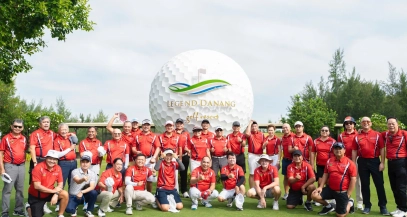
Mr Clarence- Travel President, Philippines
Vietnam | 01/14/2026
Luxury Golf Tour in Da Nang, 5days
Hi Jimy, We returned home safely today. I would like to say a special thanks to you and your team ACT TRAVEL. We really loved and satisfied with your pro services. We do love these golf courses in Da Nang. They were amazing and fantastic quality and view. We will come back here soon. I am looking foward to working together with you soon! Best regards, Mr Clarence- Travel President, Philippines
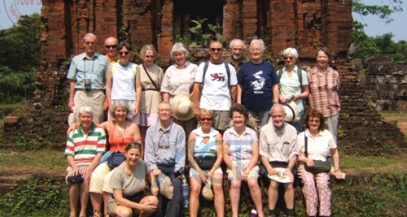
Mr. Jean Pie
United Kingdom | 10/13/2014
RAM Holidays from UK (Impressive of Vietnam 15 days)
Mr. Jean Pie – Tour Leader said “Thank you very much for doing such an excellent job on the tour. You went above and beyond for all of us and we really appreciate all your hard work. Thank you for your calm leadership through the “HAIYAN” storm, you really help us through it. Thanks to ACT Travel, we had a wonderful time and unforgettable memory”.
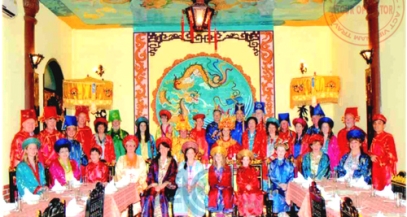
Mr. Navy Vang
Australia | 10/13/2014
Mandarin Group from Australia (Charming Vietnam 10 Days)
Mr. Navy Vang - Tour manager from Australia said: " Wow what a great vacation !. Thank you Mr Kelvin Pham so much. We are very grateful for everything you did for us and everything went very well. We’re safe and sound back home thinking about the joy we experienced. I've already decided that when I choose to travel again, I will go through your company. I also highly recommend ACT Travel Travel to any organization looking for a great agency. Kind regards
Mr. Ricardo - Program Manager
Brazil | 03/31/2014
DOMINGOS Group from Brazin (IMPRESSIVE VIETNAM 17 DAYS.)
Mr. Ricardo - Program Manager said “Dear Kelvin, Thanks you very much for your well arrangement. Thank you for the updated weather information. I have traveled a lot as a geography professor and dealt with many tour operators. You are one of the best tour operators who can take so much concern and care about customers. I must congratulate you on your good organization and care to minute points. Thanks for the mobile phone you provided to us and SIM cards you provide to all of us (29 cards, I know they are not cheap), it was an excellent convenience for us. It was a brilliant idea and we really appreciated knowing there was someone we could contact at any time should we need to. We love your welcome dinner at Binh Quoi village, where we enjoyed rich traditional southern Vietnamese cuisine with musical accompaniment provided by local folk musicians. We were very interested in the traditional Vietnamese wedding in Binh Quoi and we never forget the “Gong show” in Buon Me Thuot. Once again, thank you very much for great job”.
Ms. Barbara Betts
Australia | 10/13/2014
Orbiz Group from Australia (Discover Vietnam and Cambodia 15 Days)
Ms. Barbara Betts - Escorted guide from Australia said: " Dear Kelvin I want to take this opportunity to thanks you for providing us with superb guides in Vietnam and Cambodia. Well, Manh - tour guide in Vietnam is very professional and knowledegable and you can feel very safe in allowing him to guide your tours. The drivers you provided were also friendly, capable and they too did everything for the group to be happy Thanks you Kelvin so far for a fabulous tour.
Mr. Dany
Malaysia | 10/13/2014
Teachers Group From Malaysia ( Hanoi – Halong bay – Ninh Binh 6 Days )
Mr. Dany - Escorted guide from Malaysia said: " Hi Kelvin Pham, Thanks for arranging a great trip. I wanted to let you know how pleased we were with the itinerary and all the arrangements you organized. Everything worked extremely well and went exactly as planned. The guides were very knowledgable. My favorite site was cruising on the Halong bay. The hotels were great as they were located at the heart of city. We did enjoy eating at the local restaurants as arranged by ACT. The foods were sometimes unusual, but still tasty. I loved “Pho Hanoi“ very much and I would try to cook at my home… Thanks again
Mr. Ohad
Turkey | 10/13/2014
Istmaz Group from Turkey (Saigon - Mekong Delta - Cambodia - Angkor Wat 12 Days).
Mr. Ohad - The Tour Leader said: " On behalf of the entire group, I just wanted to thank both of you for all your help and outstanding execution in making our trip memorable! The entire group could not say enough great things about how well organized & smooth everything went. I really enjoyed Vietnam & Travel. Both tour guides were terrific and Angkor Wat was just amazing! All your arrangements worked out very smoothly and I consider the pilgrimage to be a great success ".
Mr. Steven
United Kingdom | 10/13/2014
Ponila Group from UK (Higlight of Vietnam 16 Days).
Mr. Steven - Escorted guide from UK said: Our trip to Vietnam was overall a positive one. We were very happy with the level of accommodation and quality of the food at all times. We love Hanoi but Ha Long Bay is certainly one of the most beautiful places we have ever seen; the old city in Hoi An has great potential becoming a world-class tourist attraction; and citadel in Hue embodies a great deal of historic signifance, we have a lot of photos in Hue. Cruising on Mekong Delta river was so interesting and Dalat highland was very romantic. Finally, please give our thanks to the tour guides Mrs Phuong, Mr Ky and the drivers who accompanied us throughout, always accommodating to the group's requests and last minute changes in itinerary. We won't forget you!
Mr. Barrick
United States | 10/13/2014
Global Alliane Group From USA (Discover Vietnam – Cambodia 10 Days)
Mr. Barrick - the Tour Leader said: " Dear ACT Team,This is to thank you, and all of those who organised and guided our visit to Vietnam & Cambodia, for a superb holiday. We had a trip of a life time. Everything we were promised happened and more. We brought back so many memories and stories. The restaurants were wonderful and the hotels were great. Mr Nguyen had such a lot of knowledge he shared with us, and had a great sense of humor. He even knew of some Cambodian slang words. The whole trip will be something we will always remember and share with our family and friends. Thanks for all your help in making it so enjoyable. We shall tell all our friends traveling to Indochina that they must use ACT Travel's services !! ".
Partner





ACT VIETNAM TRAVEL
No 3, Alley 25, Dich Vong Hau Str, Cau Giay Dist, Hanoi Capital, Vietnam
sales@vietnamtraveland.com - jimy@vietnamtraveland.com - vip@vietnamtraveland.com
License: 01-639/2015/CDLQGVN-GPLHQT
Company
Term of use
Payment Methods


