

LUNAR NEW YEAR - A TRADITIONAL CUSTOM OF VIETNAM
Content []
Vietnamese Lunar New Year (Tết): Traditions That Shaped Vietnam’s Cultural Identity
All about Vietnamese Lunar New Year
What Is Lunar New Year in Vietnam?

Vietnamese Lunar New Year, known locally as Tết, is a nationwide celebration marking the dawn of the new year according to the traditional lunar calendar. It is the most important holiday of the year, a time when daily life pauses so people can return home, reconnect with family, and welcome a fresh start.
Unlike the Western New Year, Tết holiday dates change annually, typically falling between mid-January and late February, depending on the lunar cycle. This shifting date adds a sense of anticipation, as preparations begin weeks in advance across the country.
The Prelude to Vietnamese Lunar New Year officially starts on the 23rd day of the twelfth lunar month with the ritual of Ong Táo, or the Kitchen God. On this day, families bid farewell to the household deity believed to report their affairs to heaven, symbolizing hopes for abundance, harmony, and good fortune in the year ahead.
The Sacred Transition takes place at midnight on New Year’s Eve, the most vital moment of the entire celebration. Families perform solemn rituals at two altars: one dedicated to their ancestors and another to the heavens. These ceremonies represent the act of letting go of past misfortunes and respectfully welcoming new blessings as the year turns.
Traditionally, Vietnamese Lunar New Year follows the meaningful “three-day” structure, reflecting deep-rooted values of respect and gratitude:
- Day 1 (Mồng 1 – Tết cha): Reserved for visiting paternal relatives and honoring the father’s side of the family.
- Day 2 (Mồng 2 – Tết mẹ): Dedicated to maternal relatives, strengthening bonds across both family lineages.
- Day 3 (Mồng 3 – Tết thầy): A day to express gratitude to teachers, highlighting the cultural importance of education and respect for knowledge.
The Cultural Meaning of Tết
Beyond the rituals and festivities, Vietnamese Lunar New Year (Tết) represents the deep emotional and spiritual heartbeat of the Vietnamese people. It serves as a symbolic bridge between the past and the future, where traditions, memories, and hopes for the year ahead come together in a meaningful transition.
.jpeg)
Spiritual Connection lies at the core of Tết. The holiday reflects a sacred harmony between heaven, earth, humanity, and the divine, making Lunar New Year the most solemn and spiritually significant occasion of the year in Vietnam. Through prayers, offerings, and ancestral rituals, people seek balance, protection, and blessings for the months to come.
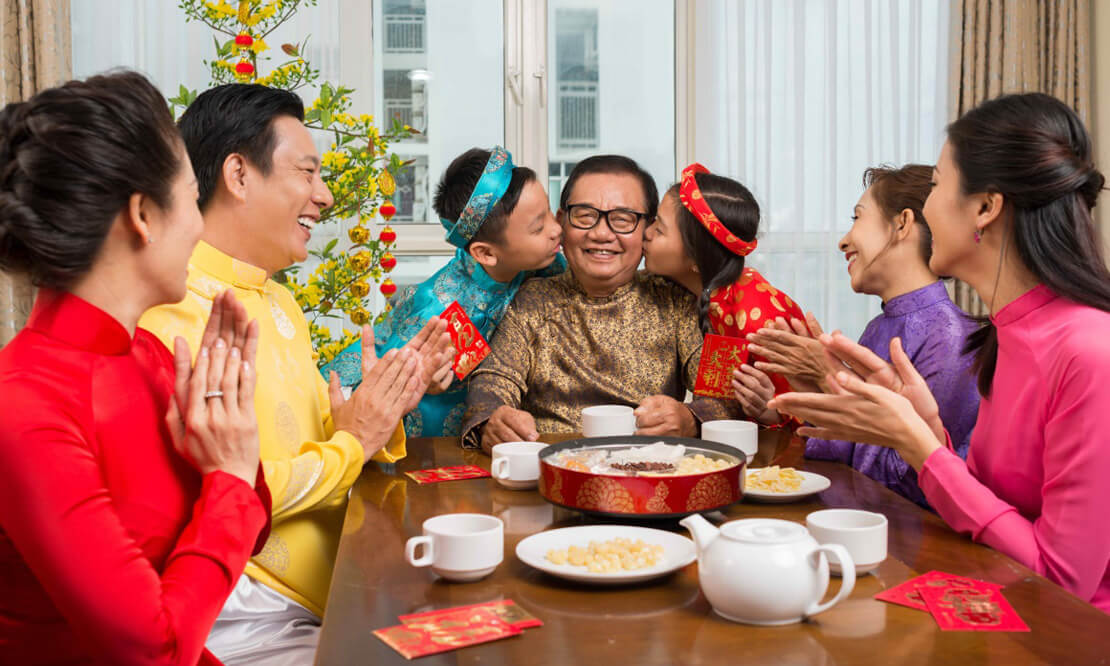
The Power of Reunion is another defining aspect of Vietnamese Lunar New Year. Tết is the ultimate time for family gatherings, when members return home regardless of distance. These reunions strengthen emotional bonds, reinforce family values, and nurture a profound sense of belonging that connects multiple generations under one roof.
As a Sacred Transition, Tết marks the threshold between what has passed and what is yet to come. It is a time to let go of hardships, welcome renewal, and collectively express wishes for health, abundance, peace, and harmony in the new lunar year.
Values and Reconciliation are deeply upheld during Tết. The holiday embodies the moral principle of “Uống nước nhớ nguồn”, reminding people to remember their roots and honor their heritage. It is also considered a season of peace, an ideal moment to resolve conflicts, mend relationships, and begin the new year with goodwill and mutual understanding.
Traditional Customs During Vietnamese Lunar New Year
Cleaning and Decorating Homes
As Vietnamese Lunar New Year (Tết) approaches, families follow the long-standing tradition of thoroughly cleaning their homes. This ritual is believed to eliminate any remnants of the past year’s misfortunes and make space for good luck, prosperity, and abundance in the new lunar year. Old or broken items are often discarded, symbolizing the act of letting go and starting anew.
Once the home is refreshed, it is carefully decorated with symbolic plants that vary by region. In the North, peach blossoms are favored for their association with vitality and renewal, while in the South, apricot blossoms represent wealth and optimism. Kumquat trees, popular across the country, symbolize prosperity, fertility, and happiness during the Tet holiday.
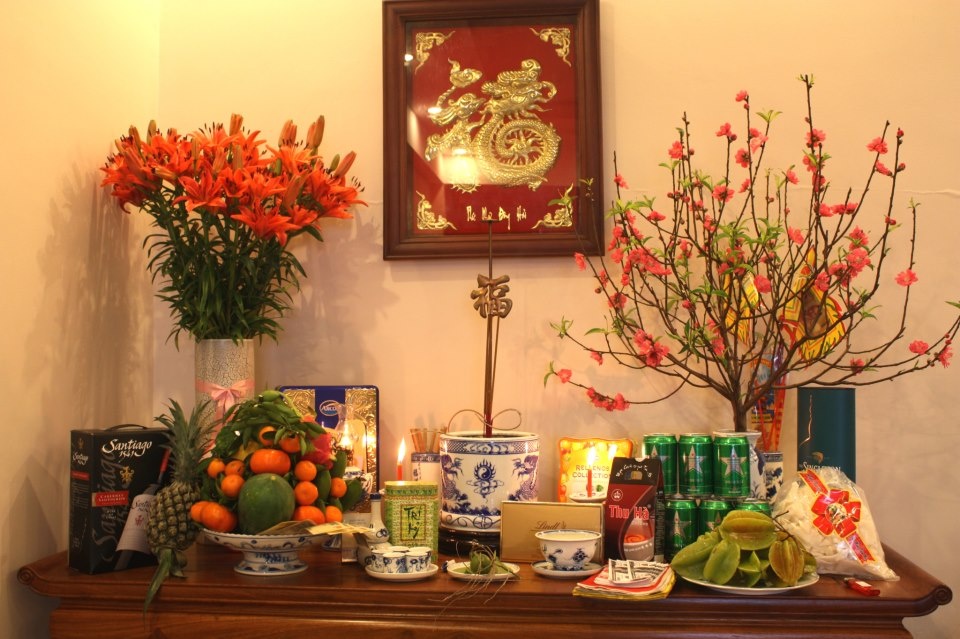
Traditional red and gold decorations dominate Vietnamese homes during Lunar New Year, as these colors are believed to attract luck and ward off negative energy. Calligraphy banners and poetic couplets, often displaying wishes for health, success, and peace, are hung at entrances and living spaces, filling homes with auspicious meanings and festive spirit.
As the days leading up to Tết unfold, traditional Tet holiday songs are played, creating a joyful atmosphere and signaling the arrival of the new year. Together, these customs transform Vietnamese homes into spaces of warmth, hope, and renewal, perfectly reflecting the spirit of Lunar New Year in Vietnam.
New Year’s Eve and Family Reunions
For generations, Vietnamese Lunar New Year has been deeply rooted in the belief that family is both a home and a cradle, nurturing individuals from childhood into adulthood. New Year’s Eve is the most emotional and meaningful moment of the Tet holiday, when family members return home to reunite after a long year apart.
Since ancient times, Vietnamese people have practiced the tradition of ancestor worship, a cornerstone of Lunar New Year celebrations. Regardless of economic conditions, every household prepares food offerings to pay homage to their ancestors. These offerings are a profound expression of filial piety, reflecting gratitude and respect toward previous generations who laid the foundation for the family’s present.
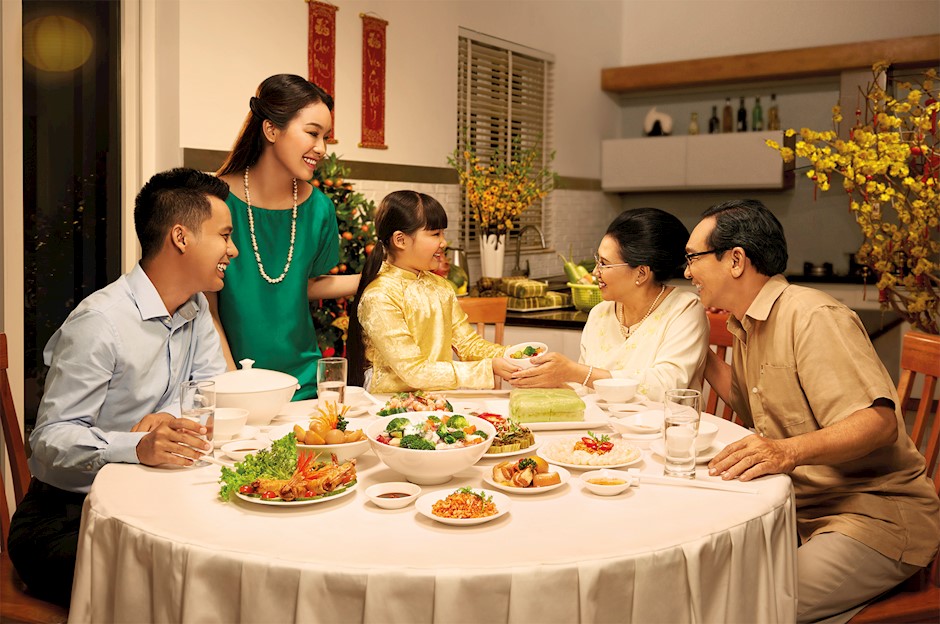
To the Vietnamese, shared meals are sacred moments of reunion. They are not only occasions to eat together but also spaces to express love, respect, and care for one another. Children demonstrate reverence for their grandparents and parents through everyday gestures at the dining table, reinforcing values of respect and harmony within the family.
A Tet reunion meal holds even greater significance, as it is considered the soul of unity and affection. Surrounded by traditional dishes and familiar faces, families strengthen emotional bonds that connect multiple generations. During this time, Tết also provides an opportunity to celebrate the longevity of grandparents and parents, honoring their presence as a blessing and a source of wisdom for the entire family.
Lucky Money and First Visits
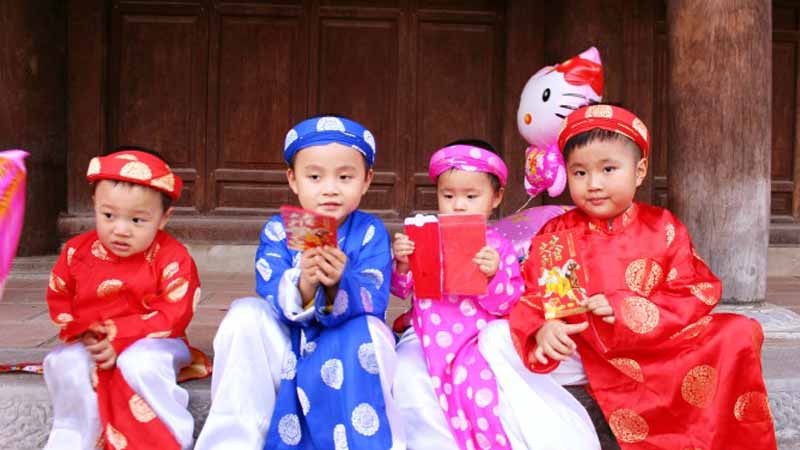
During Vietnamese Lunar New Year, the tradition of lucky money, known as lì xì, is far more than a simple exchange of cash. It is a heartfelt way to express affection, strengthen bonds between generations, and spread joy and hope at the beginning of the new year.
Giving lucky money reflects gratitude and filial piety, especially from children toward their grandparents and parents. At the same time, adults offer red envelopes to children with sincere wishes for them to grow up healthy, well-behaved, and successful in their studies throughout the coming year. The red envelope itself symbolizes luck and protection, while the amount of money is secondary to the blessing it carries.
Another meaningful custom during the Tet holiday is the tradition of First Visits, or xông đất. According to Vietnamese belief, the first person to enter a home in the new lunar year has a strong influence on the household’s fortune. Families often invite someone whose age and character are considered compatible with the homeowner to perform this role, believing it will bring good luck, prosperity, and a smooth beginning for the year ahead.
The person performing the first visit usually dresses neatly and brings a small Tet gift along with warm wishes for the family. These gifts are symbolic rather than valuable, depending on the closeness of the relationship. They may include a bottle of festive wine, a box of fine tea, a traditional bánh chưng, or even a small green branch representing growth and prosperity. After the visit, it is customary for the host to give lucky money, especially to the children of the household, completing this auspicious exchange of blessings.
Traditional Foods During Tết
Food plays a central role in the celebrations of Vietnamese Lunar New Year, adding flavor and meaning to the Tet holiday. Many traditional dishes are prepared exclusively for this occasion, each carrying symbolic wishes for prosperity, unity, and good fortune in the new lunar year.
Perhaps the most iconic foods of Vietnamese Lunar New Year are bánh chưng and bánh tét. Bánh chưng is a square sticky rice cake, while bánh tét is its cylindrical counterpart, more common in southern Vietnam. Both are made from glutinous rice, mung beans, and pork, with variations depending on family recipes. Wrapped carefully in banana leaves and boiled for many hours, these cakes symbolize gratitude toward ancestors and the close bond between family members during the Tet holiday.
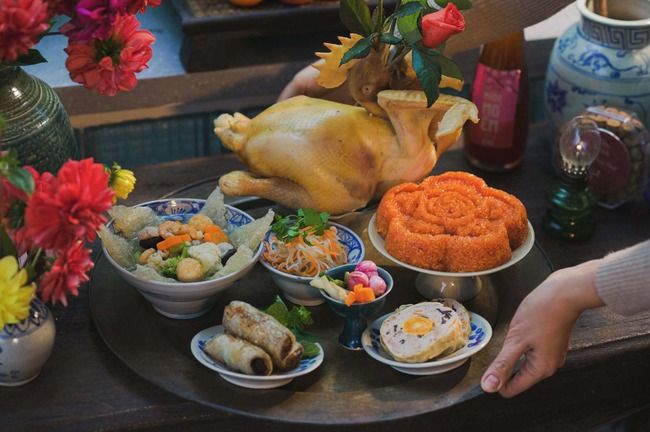
Another dish closely associated with the festive spirit of Vietnamese New Year is xôi gấc, a bright red sticky rice dish. The red color, which represents luck and happiness in Vietnamese culture, makes xôi gấc a popular choice during Lunar New Year celebrations. Different versions may include peanuts, mung beans, or assorted dried fruits, enhancing both flavor and symbolism.
As Tet holiday gatherings often involve frequent and spontaneous visits, households always prepare a variety of traditional snacks. One of the most popular is mứt, a selection of candied fruits enjoyed throughout Vietnamese Lunar New Year. Common varieties include ginger, coconut, dried pumpkin, tamarind, carrot, star fruit, pineapple, and butternut squash, offering a balance of sweet and tangy flavors.
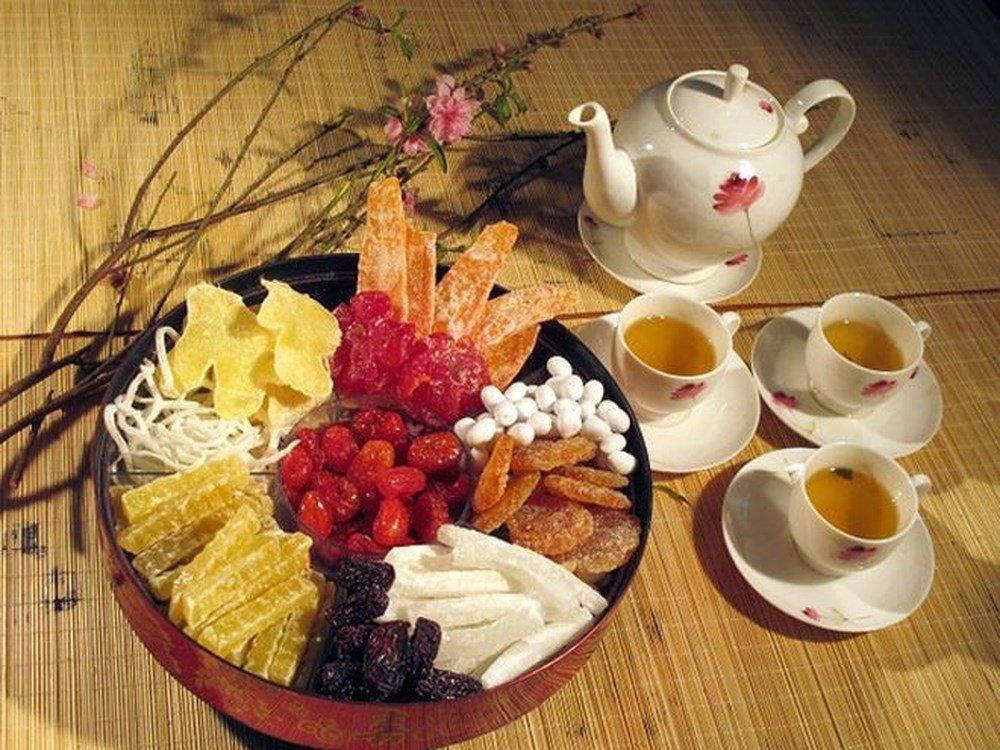
Another familiar Tet snack found in nearly every Vietnamese home is hạt dưa, or watermelon seeds. Similar to xôi gấc, these seeds are dyed red, a color believed to attract good fortune and prosperity. Sharing these traditional foods during Vietnamese Lunar New Year not only satisfies the palate but also strengthens social connections and reflects the warmth of family and hospitality that define the Tet holiday.
Read this next


Bat Trang pottery village a timeless craft experience near Hanoi

Quick Contact
Reviews from Customers
Please take a look at the following reviews from our customers
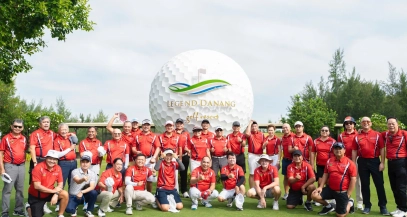
Mr Clarence- Travel President, Philippines
Vietnam | 01/14/2026
Luxury Golf Tour in Da Nang, 5days
Hi Jimy, We returned home safely today. I would like to say a special thanks to you and your team ACT TRAVEL. We really loved and satisfied with your pro services. We do love these golf courses in Da Nang. They were amazing and fantastic quality and view. We will come back here soon. I am looking foward to working together with you soon! Best regards, Mr Clarence- Travel President, Philippines
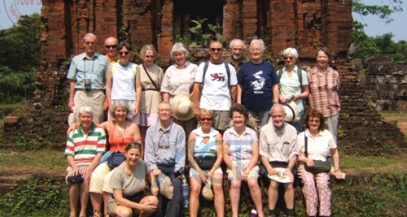
Mr. Jean Pie
United Kingdom | 10/13/2014
RAM Holidays from UK (Impressive of Vietnam 15 days)
Mr. Jean Pie – Tour Leader said “Thank you very much for doing such an excellent job on the tour. You went above and beyond for all of us and we really appreciate all your hard work. Thank you for your calm leadership through the “HAIYAN” storm, you really help us through it. Thanks to ACT Travel, we had a wonderful time and unforgettable memory”.
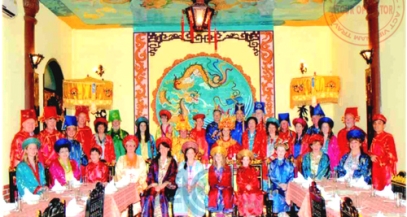
Mr. Navy Vang
Australia | 10/13/2014
Mandarin Group from Australia (Charming Vietnam 10 Days)
Mr. Navy Vang - Tour manager from Australia said: " Wow what a great vacation !. Thank you Mr Kelvin Pham so much. We are very grateful for everything you did for us and everything went very well. We’re safe and sound back home thinking about the joy we experienced. I've already decided that when I choose to travel again, I will go through your company. I also highly recommend ACT Travel Travel to any organization looking for a great agency. Kind regards
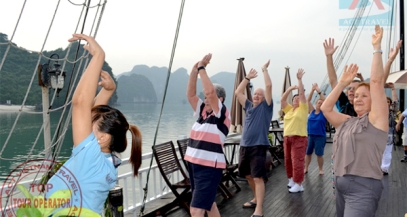
Mr. Ricardo - Program Manager
Brazil | 03/31/2014
DOMINGOS Group from Brazin (IMPRESSIVE VIETNAM 17 DAYS.)
Mr. Ricardo - Program Manager said “Dear Kelvin, Thanks you very much for your well arrangement. Thank you for the updated weather information. I have traveled a lot as a geography professor and dealt with many tour operators. You are one of the best tour operators who can take so much concern and care about customers. I must congratulate you on your good organization and care to minute points. Thanks for the mobile phone you provided to us and SIM cards you provide to all of us (29 cards, I know they are not cheap), it was an excellent convenience for us. It was a brilliant idea and we really appreciated knowing there was someone we could contact at any time should we need to. We love your welcome dinner at Binh Quoi village, where we enjoyed rich traditional southern Vietnamese cuisine with musical accompaniment provided by local folk musicians. We were very interested in the traditional Vietnamese wedding in Binh Quoi and we never forget the “Gong show” in Buon Me Thuot. Once again, thank you very much for great job”.
Ms. Barbara Betts
Australia | 10/13/2014
Orbiz Group from Australia (Discover Vietnam and Cambodia 15 Days)
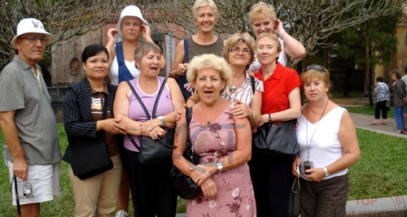
Ms. Barbara Betts - Escorted guide from Australia said: " Dear Kelvin I want to take this opportunity to thanks you for providing us with superb guides in Vietnam and Cambodia. Well, Manh - tour guide in Vietnam is very professional and knowledegable and you can feel very safe in allowing him to guide your tours. The drivers you provided were also friendly, capable and they too did everything for the group to be happy Thanks you Kelvin so far for a fabulous tour.
Mr. Dany
Malaysia | 10/13/2014
Teachers Group From Malaysia ( Hanoi – Halong bay – Ninh Binh 6 Days )
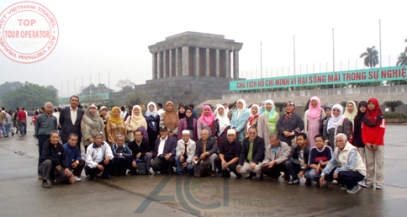
Mr. Dany - Escorted guide from Malaysia said: " Hi Kelvin Pham, Thanks for arranging a great trip. I wanted to let you know how pleased we were with the itinerary and all the arrangements you organized. Everything worked extremely well and went exactly as planned. The guides were very knowledgable. My favorite site was cruising on the Halong bay. The hotels were great as they were located at the heart of city. We did enjoy eating at the local restaurants as arranged by ACT. The foods were sometimes unusual, but still tasty. I loved “Pho Hanoi“ very much and I would try to cook at my home… Thanks again
Mr. Ohad
Turkey | 10/13/2014
Istmaz Group from Turkey (Saigon - Mekong Delta - Cambodia - Angkor Wat 12 Days).
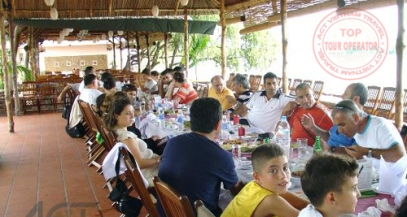
Mr. Ohad - The Tour Leader said: " On behalf of the entire group, I just wanted to thank both of you for all your help and outstanding execution in making our trip memorable! The entire group could not say enough great things about how well organized & smooth everything went. I really enjoyed Vietnam & Travel. Both tour guides were terrific and Angkor Wat was just amazing! All your arrangements worked out very smoothly and I consider the pilgrimage to be a great success ".
Mr. Steven
United Kingdom | 10/13/2014
Ponila Group from UK (Higlight of Vietnam 16 Days).
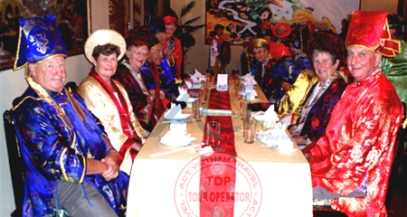
Mr. Steven - Escorted guide from UK said: Our trip to Vietnam was overall a positive one. We were very happy with the level of accommodation and quality of the food at all times. We love Hanoi but Ha Long Bay is certainly one of the most beautiful places we have ever seen; the old city in Hoi An has great potential becoming a world-class tourist attraction; and citadel in Hue embodies a great deal of historic signifance, we have a lot of photos in Hue. Cruising on Mekong Delta river was so interesting and Dalat highland was very romantic. Finally, please give our thanks to the tour guides Mrs Phuong, Mr Ky and the drivers who accompanied us throughout, always accommodating to the group's requests and last minute changes in itinerary. We won't forget you!
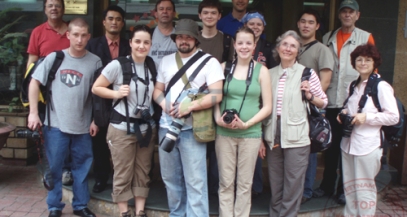
Mr. Barrick
United States | 10/13/2014
Global Alliane Group From USA (Discover Vietnam – Cambodia 10 Days)
Mr. Barrick - the Tour Leader said: " Dear ACT Team,This is to thank you, and all of those who organised and guided our visit to Vietnam & Cambodia, for a superb holiday. We had a trip of a life time. Everything we were promised happened and more. We brought back so many memories and stories. The restaurants were wonderful and the hotels were great. Mr Nguyen had such a lot of knowledge he shared with us, and had a great sense of humor. He even knew of some Cambodian slang words. The whole trip will be something we will always remember and share with our family and friends. Thanks for all your help in making it so enjoyable. We shall tell all our friends traveling to Indochina that they must use ACT Travel's services !! ".
Partner





ACT VIETNAM TRAVEL
No 3, Alley 25, Dich Vong Hau Str, Cau Giay Dist, Hanoi Capital, Vietnam
sales@vietnamtraveland.com - jimy@vietnamtraveland.com - vip@vietnamtraveland.com
License: 01-639/2015/CDLQGVN-GPLHQT
Company
Term of use
Payment Methods


