

A Night of Lanterns and Moonlight: Mid-Autumn Festival in Vietnam
Content []
A Night of Lanterns and Moonlight: Mid-Autumn Festival in Vietnam
More Than a Full Moon: The Meaning of Mid-Autumn Festival
Celebrated on the 15th day of the eighth lunar month, when the moon is traditionally believed to be at its fullest and brightest, the Mid-Autumn Festival is much more than a beautiful night beneath the moon. In Vietnam, Tet Trung Thu has long been associated with the end of the harvest season, a time to give thanks for nature’s abundance and for families to come together. The round full moon itself has become a symbol of reunion, completeness and togetherness, making family one of the most important themes of the celebration.
Yet the Vietnamese Mid-Autumn Festival holds an especially magical place in childhood. Often considered a festival for children, Tet Trung Thu is filled with colorful lanterns, sweets, performances and evenings spent outside beneath the moon. Generations of Vietnamese children have grown up waiting for this night, carrying star-shaped lanterns through their neighborhoods while the sound of drums echoes through the streets.
One of the best-known stories associated with the festival is the Vietnamese legend of Chu Cuoi, a man said to have been carried to the moon together with a magical banyan tree. According to folk tradition, children parade beneath the full moon with glowing lanterns to help guide Cuoi back to Earth. Look closely at the moon on a clear Mid-Autumn night and, as Vietnamese children have been told for generations, you might just see the shadow of Cuoi sitting beneath his banyan tree.
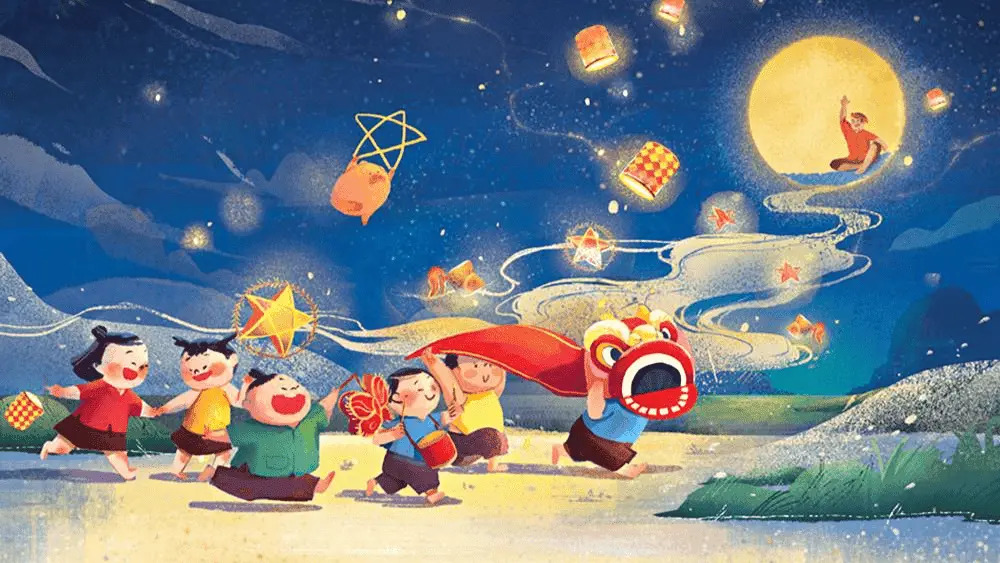
Behind the playful traditions, however, Tet Trung Thu remains deeply connected to family and gratitude. Homes may prepare offerings for ancestors and deities before families gather to share mooncakes, fruit and tea. Outside, lantern processions and lively lion dances turn entire neighborhoods into celebrations. It is this meeting of family reunion, childhood wonder and centuries-old tradition that makes the Mid-Autumn Festival one of the most meaningful nights in Vietnamese culture.
When the Streets Come Alive With Lanterns and Lion Dances
As Tet Trung Thu draws closer, Vietnamese streets begin to change. Lanterns appear outside shops and homes, the distant beat of drums grows louder after sunset, and children gather with glowing lights in their hands. By the nights of the 13th, 14th and 15th days of the eighth lunar month, entire neighborhoods can feel like one enormous celebration.
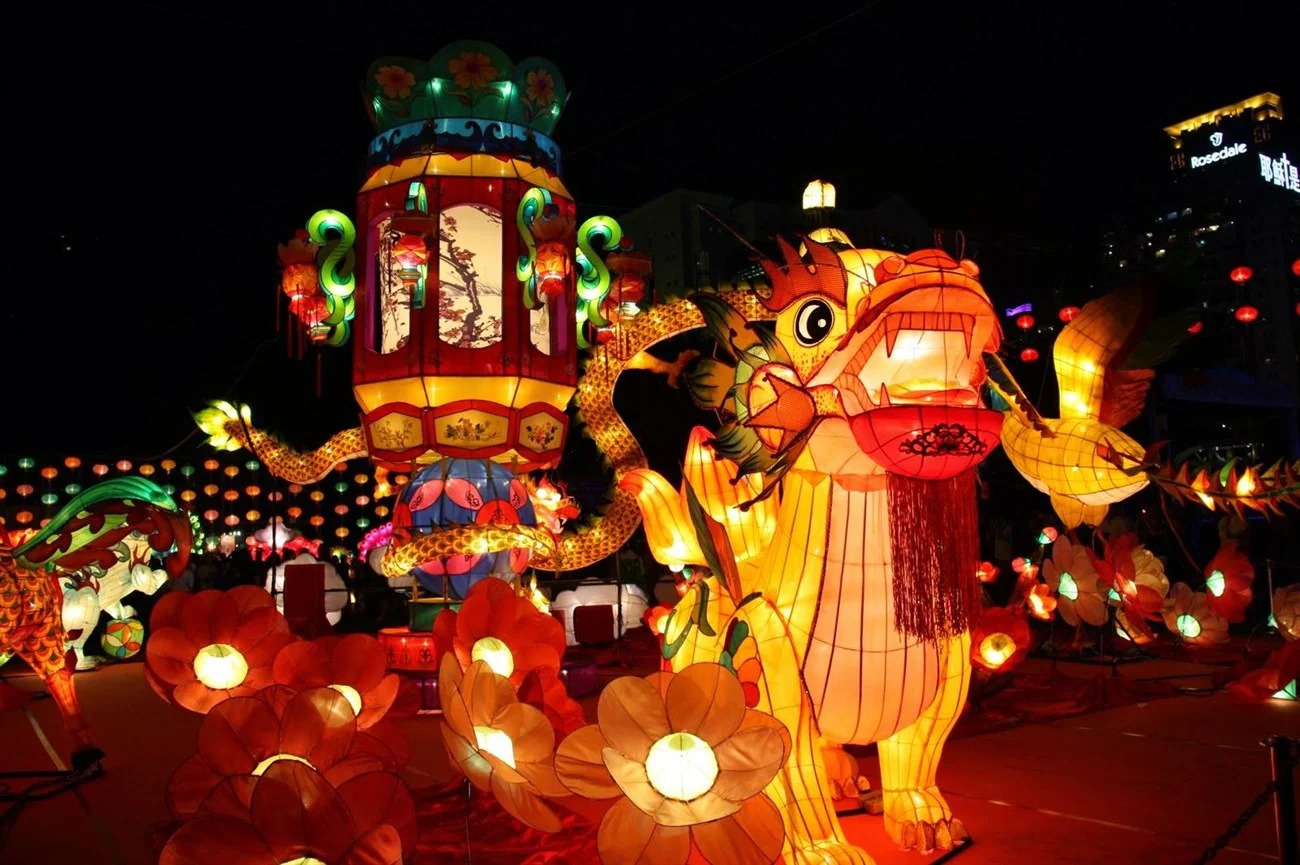
At the heart of the night is the tradition of carrying lanterns under the full moon. The most recognizable is the den ong sao, a five-pointed star lantern traditionally made from bamboo and colorful cellophane. There are also carp-shaped lanterns, handmade paper creations and den keo quan, traditional rotating lanterns whose moving silhouettes come alive when a candle is lit inside. In smaller neighborhoods and villages, children may still proudly carry lanterns made from bamboo, paper or even recycled cans, then walk together through the streets singing familiar Mid-Autumn songs.
And then came the drums. Lion dances are among the most exciting Mid-Autumn Festival traditions, with brightly colored lions leaping, twisting and dancing through streets and courtyards to the pounding rhythm of drums and cymbals. Traditionally, the performance is associated with driving away bad luck and welcoming prosperity, good fortune and peace. Alongside the lions often appears Ong Dia, the smiling, round-bellied Earth God who playfully teases and guides the lion through the crowd.
For travelers, this is when the Mid-Autumn Festival in Vietnam becomes something you can truly feel rather than simply observe. Children race after lion dance teams, families gather along sidewalks, lanterns sway above the crowds and drumbeats seem to follow you from one street to the next. Beneath the full moon, the combination of light, music and childhood excitement transforms an ordinary Vietnamese neighborhood into one of the most joyful nights of the year.

Mooncakes: The Taste of Mid-Autumn Festival
For many Vietnamese people, the taste of the Mid-Autumn Festival is inseparable from mooncakes. For older generations who grew up when life was more modest, these beautifully wrapped cakes were once a rare luxury. Children might spend days looking at the mooncake box their father had brought home and placed carefully on the family altar, knowing they would have to wait until the full moon before finally discovering what was inside.
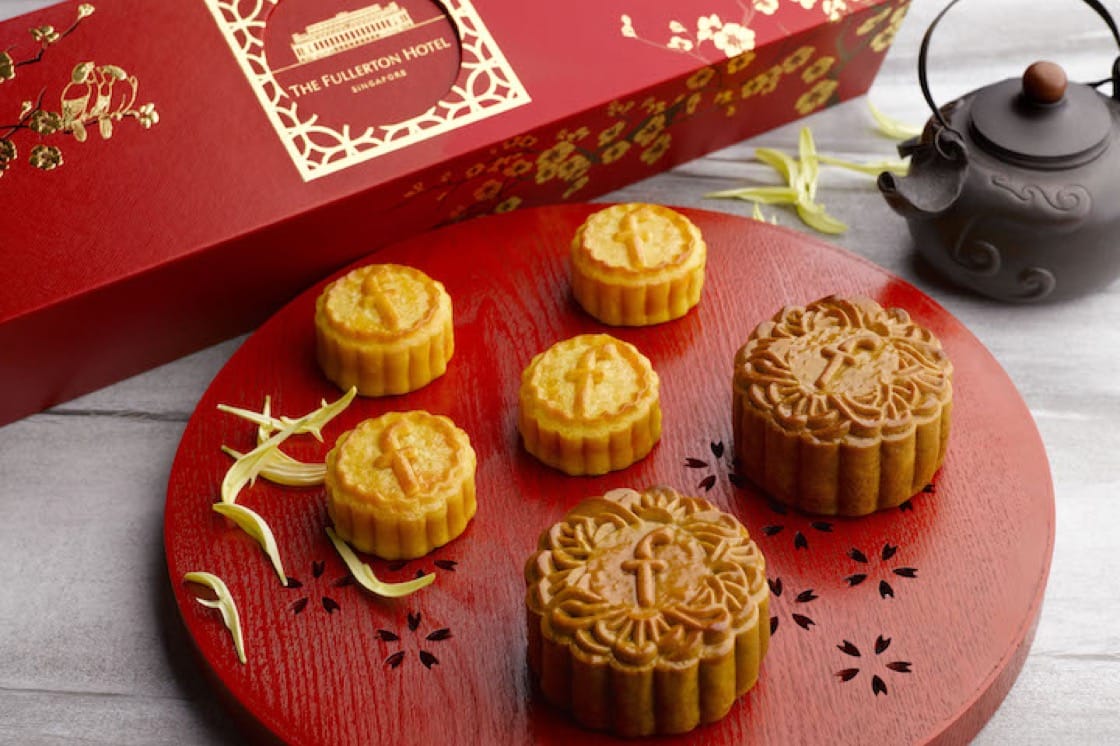
When the 15th night arrived, the family would gather around a simple Mid-Autumn feast and the long-awaited cakes would finally be cut. A traditional baked banh nuong might be filled with a rich mixture of lotus seeds, nuts, preserved ingredients, Chinese sausage and fragrant kaffir lime leaves, while the soft white banh deo often carried a smooth mung bean filling. Sometimes, hidden at the center was a salted egg yolk, its golden round shape echoing the full moon above. The cakes were cut into small pieces so everyone could share, turning something sweet into a quiet ritual of family togetherness.
Mooncakes today look very different. Alongside traditional flavors, bakeries now create fillings ranging from green tea and young sticky rice to chocolate, durian, pistachio and other contemporary combinations. Some are shaped into fish, rabbits or flowers, while luxury versions arrive in elaborate boxes designed almost like works of art. During Tet Trung Thu, these boxes have also become meaningful gifts exchanged between families, friends, colleagues and business partners as a way of expressing appreciation and good wishes.
Yet for all the new flavors and beautiful packaging, the heart of the tradition has changed surprisingly little. Mooncakes are rich and sweet, so they are often enjoyed slowly with a pot of hot tea, perhaps oolong alongside a savory cake or a fragrant floral tea with a sweeter filling. And for many families, grown children still return home each Mid-Autumn Festival to sit with their parents, cut a familiar cake into pieces and share it beneath the same full moon.
That may be why mooncakes remain such an enduring part of Tet Trung Thu. The flavors evolve and the boxes become more elaborate, but the simple act of sharing one still carries something timeless: family, memory and the feeling of coming home.
How Travelers Can Celebrate Tet Trung Thu Like a Local
For travelers lucky enough to visit Vietnam around Tet Trung Thu, the best way to experience the festival is simply to step outside after sunset. Celebrations begin building days before the full moon, with lanterns appearing in shop windows, cafés dressing up in Mid-Autumn decorations and the sound of lion dance drums occasionally echoing through neighborhoods. By the main festival nights, streets across the country become noticeably brighter, louder and more playful.
In Hanoi, head to the Old Quarter, particularly Hang Ma and Luong Van Can streets, where shops overflow with star lanterns, masks, toys and colorful decorations. The streets become extremely lively as the festival approaches, making this one of the best places to feel the excitement before the big night. Travelers interested in traditional crafts can also look for cultural activities around 87 Ma May, while theaters and children’s cultural venues often host special Mid-Autumn performances.
For something more atmospheric, Hoi An offers a completely different experience. Lantern light already forms part of the ancient town’s identity, but during the Mid-Autumn Festival, the celebration feels even more magical. Streets around the old town fill with families, performances and glowing lanterns, while their reflections shimmer across the Thu Bon River. It is one of those evenings when simply wandering without a plan can become the experience itself.
In Ho Chi Minh City, the celebration is especially colorful around Cho Lon, the city’s historic Chinatown. Luong Nhu Hoc and Trieu Quang Phuc streets become filled with lantern shops and decorations in the weeks leading up to the festival, drawing families, photographers and travelers into a sea of red, gold and glowing lights.
But you do not need to be in one of Vietnam’s major tourist cities to experience the magic. Across towns and villages throughout the country, communities organize lantern parades for children on the main festival nights. Some feature enormous handmade lanterns shaped like animals, mythical creatures and familiar characters, moving through streets surrounded by crowds of excited children. Smaller neighborhood celebrations can be just as memorable, offering travelers a glimpse of Tet Trung Thu as Vietnamese families actually experience it.
And you do not have to wait until the full moon to join the atmosphere. In the weeks before the festival, explore decorated streets, stop by a café dressed in lanterns, browse a local mooncake shop or pick out your own traditional star lantern. Take photos, taste a mooncake with tea and stay outside after dark when the lanterns begin to glow. Sometimes the best Vietnam cultural experiences are not found at famous landmarks, but in joining a celebration that has filled Vietnamese childhoods with memories for generations.
If your journey to Vietnam falls around Tet Trung Thu, let ACT Travel Agent help you experience more than the country’s famous sights. From Hanoi’s lantern-filled Old Quarter to the glowing streets of Hoi An and local celebrations along the way, we can help weave authentic cultural experiences into your Vietnam itinerary, so you can experience the festival not simply as a visitor, but as part of the celebration.
Read this next


Bat Trang pottery village a timeless craft experience near Hanoi

Quick Contact
Reviews from Customers
Please take a look at the following reviews from our customers
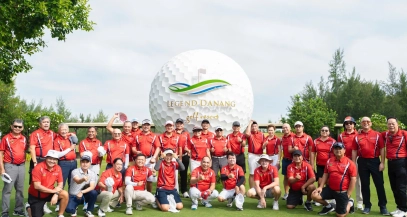
Mr Clarence- Travel President, Philippines
Vietnam | 01/14/2026
Luxury Golf Tour in Da Nang, 5days
Hi Jimy, We returned home safely today. I would like to say a special thanks to you and your team ACT TRAVEL. We really loved and satisfied with your pro services. We do love these golf courses in Da Nang. They were amazing and fantastic quality and view. We will come back here soon. I am looking foward to working together with you soon! Best regards, Mr Clarence- Travel President, Philippines
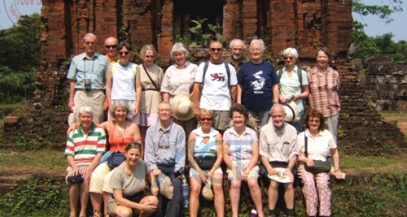
Mr. Jean Pie
United Kingdom | 10/13/2014
RAM Holidays from UK (Impressive of Vietnam 15 days)
Mr. Jean Pie – Tour Leader said “Thank you very much for doing such an excellent job on the tour. You went above and beyond for all of us and we really appreciate all your hard work. Thank you for your calm leadership through the “HAIYAN” storm, you really help us through it. Thanks to ACT Travel, we had a wonderful time and unforgettable memory”.
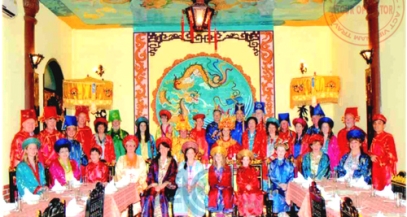
Mr. Navy Vang
Australia | 10/13/2014
Mandarin Group from Australia (Charming Vietnam 10 Days)
Mr. Navy Vang - Tour manager from Australia said: " Wow what a great vacation !. Thank you Mr Kelvin Pham so much. We are very grateful for everything you did for us and everything went very well. We’re safe and sound back home thinking about the joy we experienced. I've already decided that when I choose to travel again, I will go through your company. I also highly recommend ACT Travel Travel to any organization looking for a great agency. Kind regards
Mr. Ricardo - Program Manager
Brazil | 03/31/2014
DOMINGOS Group from Brazin (IMPRESSIVE VIETNAM 17 DAYS.)
Mr. Ricardo - Program Manager said “Dear Kelvin, Thanks you very much for your well arrangement. Thank you for the updated weather information. I have traveled a lot as a geography professor and dealt with many tour operators. You are one of the best tour operators who can take so much concern and care about customers. I must congratulate you on your good organization and care to minute points. Thanks for the mobile phone you provided to us and SIM cards you provide to all of us (29 cards, I know they are not cheap), it was an excellent convenience for us. It was a brilliant idea and we really appreciated knowing there was someone we could contact at any time should we need to. We love your welcome dinner at Binh Quoi village, where we enjoyed rich traditional southern Vietnamese cuisine with musical accompaniment provided by local folk musicians. We were very interested in the traditional Vietnamese wedding in Binh Quoi and we never forget the “Gong show” in Buon Me Thuot. Once again, thank you very much for great job”.
Ms. Barbara Betts
Australia | 10/13/2014
Orbiz Group from Australia (Discover Vietnam and Cambodia 15 Days)
Ms. Barbara Betts - Escorted guide from Australia said: " Dear Kelvin I want to take this opportunity to thanks you for providing us with superb guides in Vietnam and Cambodia. Well, Manh - tour guide in Vietnam is very professional and knowledegable and you can feel very safe in allowing him to guide your tours. The drivers you provided were also friendly, capable and they too did everything for the group to be happy Thanks you Kelvin so far for a fabulous tour.
Mr. Dany
Malaysia | 10/13/2014
Teachers Group From Malaysia ( Hanoi – Halong bay – Ninh Binh 6 Days )
Mr. Dany - Escorted guide from Malaysia said: " Hi Kelvin Pham, Thanks for arranging a great trip. I wanted to let you know how pleased we were with the itinerary and all the arrangements you organized. Everything worked extremely well and went exactly as planned. The guides were very knowledgable. My favorite site was cruising on the Halong bay. The hotels were great as they were located at the heart of city. We did enjoy eating at the local restaurants as arranged by ACT. The foods were sometimes unusual, but still tasty. I loved “Pho Hanoi“ very much and I would try to cook at my home… Thanks again
Mr. Ohad
Turkey | 10/13/2014
Istmaz Group from Turkey (Saigon - Mekong Delta - Cambodia - Angkor Wat 12 Days).
Mr. Ohad - The Tour Leader said: " On behalf of the entire group, I just wanted to thank both of you for all your help and outstanding execution in making our trip memorable! The entire group could not say enough great things about how well organized & smooth everything went. I really enjoyed Vietnam & Travel. Both tour guides were terrific and Angkor Wat was just amazing! All your arrangements worked out very smoothly and I consider the pilgrimage to be a great success ".
Mr. Steven
United Kingdom | 10/13/2014
Ponila Group from UK (Higlight of Vietnam 16 Days).
Mr. Steven - Escorted guide from UK said: Our trip to Vietnam was overall a positive one. We were very happy with the level of accommodation and quality of the food at all times. We love Hanoi but Ha Long Bay is certainly one of the most beautiful places we have ever seen; the old city in Hoi An has great potential becoming a world-class tourist attraction; and citadel in Hue embodies a great deal of historic signifance, we have a lot of photos in Hue. Cruising on Mekong Delta river was so interesting and Dalat highland was very romantic. Finally, please give our thanks to the tour guides Mrs Phuong, Mr Ky and the drivers who accompanied us throughout, always accommodating to the group's requests and last minute changes in itinerary. We won't forget you!
Mr. Barrick
United States | 10/13/2014
Global Alliane Group From USA (Discover Vietnam – Cambodia 10 Days)
Mr. Barrick - the Tour Leader said: " Dear ACT Team,This is to thank you, and all of those who organised and guided our visit to Vietnam & Cambodia, for a superb holiday. We had a trip of a life time. Everything we were promised happened and more. We brought back so many memories and stories. The restaurants were wonderful and the hotels were great. Mr Nguyen had such a lot of knowledge he shared with us, and had a great sense of humor. He even knew of some Cambodian slang words. The whole trip will be something we will always remember and share with our family and friends. Thanks for all your help in making it so enjoyable. We shall tell all our friends traveling to Indochina that they must use ACT Travel's services !! ".
Partner





ACT VIETNAM TRAVEL
No 3, Alley 25, Dich Vong Hau Str, Cau Giay Dist, Hanoi Capital, Vietnam
sales@vietnamtraveland.com - jimy@vietnamtraveland.com - vip@vietnamtraveland.com
License: 01-639/2015/CDLQGVN-GPLHQT
Company
Term of use
Payment Methods


