

Discover West Lake Lotus Tea and the Art of Traditional Tea Making
Content []
Discover West Lake Lotus Tea and the Art of Traditional Tea Making
What Makes West Lake Lotus So Special?
The lotus holds a cherished place in Vietnamese culture and is widely regarded as the national flower of Vietnam. Rising gracefully from muddy waters while remaining pure and beautiful, the lotus symbolizes resilience, elegance, and inner virtue. For generations, it has inspired Vietnamese art, literature, architecture, and spiritual traditions, becoming an enduring icon of the country's cultural identity.
Among the many lotus varieties found across Vietnam, the West Lake lotus is considered the most prized. Known as Bách Diệp lotus, or the "hundred-petal lotus," this variety features large blossoms with soft pink petals and a delicate, naturally sweet fragrance. Its exceptional quality is closely linked to the unique environmental conditions of Hanoi's West Lake, particularly around traditional lotus-growing areas such as Đầm Trị and Thủy Sứ Pond. The fertile soil, clean water, and favorable climate help produce lotus flowers with large, thick stamens that retain their fragrance remarkably well.
What truly sets the West Lake lotus apart is its suitability for tea scenting. Unlike sen quỳ, a lotus variety primarily cultivated for its seeds, the Bách Diệp lotus offers a richer and more refined aroma. While seed lotus flowers tend to have thinner petals and a lighter, sometimes sharper scent, West Lake lotus blossoms release a gentle fragrance that lingers long after harvesting. This makes them the ideal choice for creating authentic Hanoi lotus tea, a craft that has been perfected by local artisans for generations.
Today, the West Lake lotus remains one of Hanoi's most treasured natural and cultural symbols, valued not only for its beauty but also for its essential role in producing Vietnam's most celebrated scented tea.
The Origin and Benefits of West Lake Lotus Tea
Often celebrated as the "Finest Tea Through the Ages," West Lake lotus tea is one of Vietnam's most treasured traditional beverages. Its distinctive character comes from the harmonious combination of premium green tea from Thai Nguyen and the fragrant Bách Diệp lotus grown in the fertile mudflats of Hanoi's West Lake. This pairing creates a tea that embodies both the richness of Vietnam's tea-growing heritage and the elegance of Hanoi's cultural traditions.
The creation of authentic West Lake lotus tea begins long before the scenting process. Lotus flowers must be carefully harvested at dawn while dew still rests on their petals. At this early hour, the blossoms contain their most concentrated and delicate fragrance, allowing artisans to capture the pure essence of the lotus. This meticulous practice has been passed down through generations and remains an essential part of traditional tea making today.
Beyond its cultural significance and exquisite aroma, West Lake lotus tea is also appreciated for its potential wellness benefits. As it is crafted from high-quality green tea, it contains natural antioxidants that may support overall health and well-being. Many tea enthusiasts believe that regular consumption can help support heart health, maintain healthy cholesterol levels, and contribute to balanced blood sugar management as part of a healthy lifestyle.
Perhaps most importantly, lotus tea is valued for its calming qualities. The gentle floral fragrance combined with the smooth taste of green tea creates a soothing drinking experience that helps ease stress and promote relaxation. For many Hanoians, enjoying a cup of lotus tea is not simply about drinking tea, but about finding a quiet moment of balance and tranquility amid daily life.
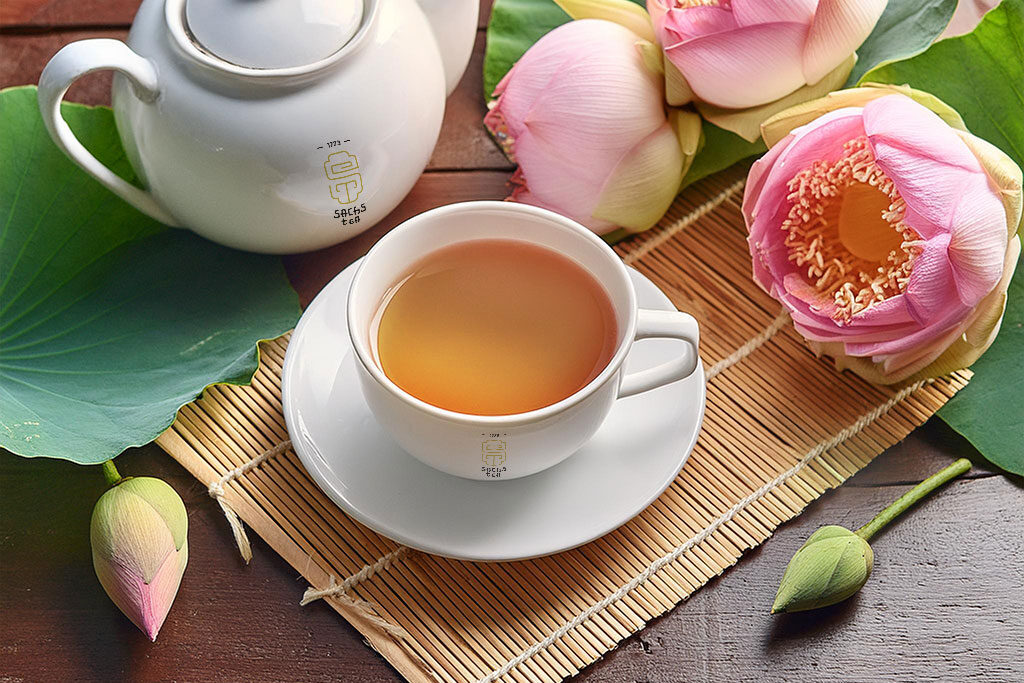
What Makes West Lake Lotus Tea Truly Exceptional?
The Distinctive Flavor of West Lake Lotus Tea
What sets West Lake lotus tea apart is its remarkably elegant and balanced flavor profile. Each sip reveals the perfect harmony between the rich, slightly brisk character of premium green tea and the delicate fragrance of Bách Diệp lotus stamens. Rather than overpowering the tea, the lotus scent gently unfolds, creating a refreshing and naturally sweet aroma that lingers on the palate.
The result is a tea that feels both light and complex. The initial taste carries the full-bodied depth of carefully selected tea leaves, followed by subtle floral notes that evoke the freshness of lotus blossoms blooming on West Lake during summer. As the flavor develops, a smooth and lingering sweetness emerges, leaving a clean and soothing aftertaste.
For many tea lovers, the appeal of West Lake lotus tea lies in this rare balance of strength and delicacy. Its refined fragrance, cooling character, and lasting finish transform a simple cup of tea into a sensory experience deeply connected to Hanoi's traditional tea culture.
The Labor-Intensive Scenting Process
The exceptional quality of West Lake lotus tea comes not only from its ingredients but also from the painstaking scenting process perfected over generations. Traditional lotus tea is scented using gạo sen, the tiny, fragrant stamens found inside the lotus flower. After harvesting the flowers at dawn, artisans carefully separate the stamens by hand and blend them with premium green tea.
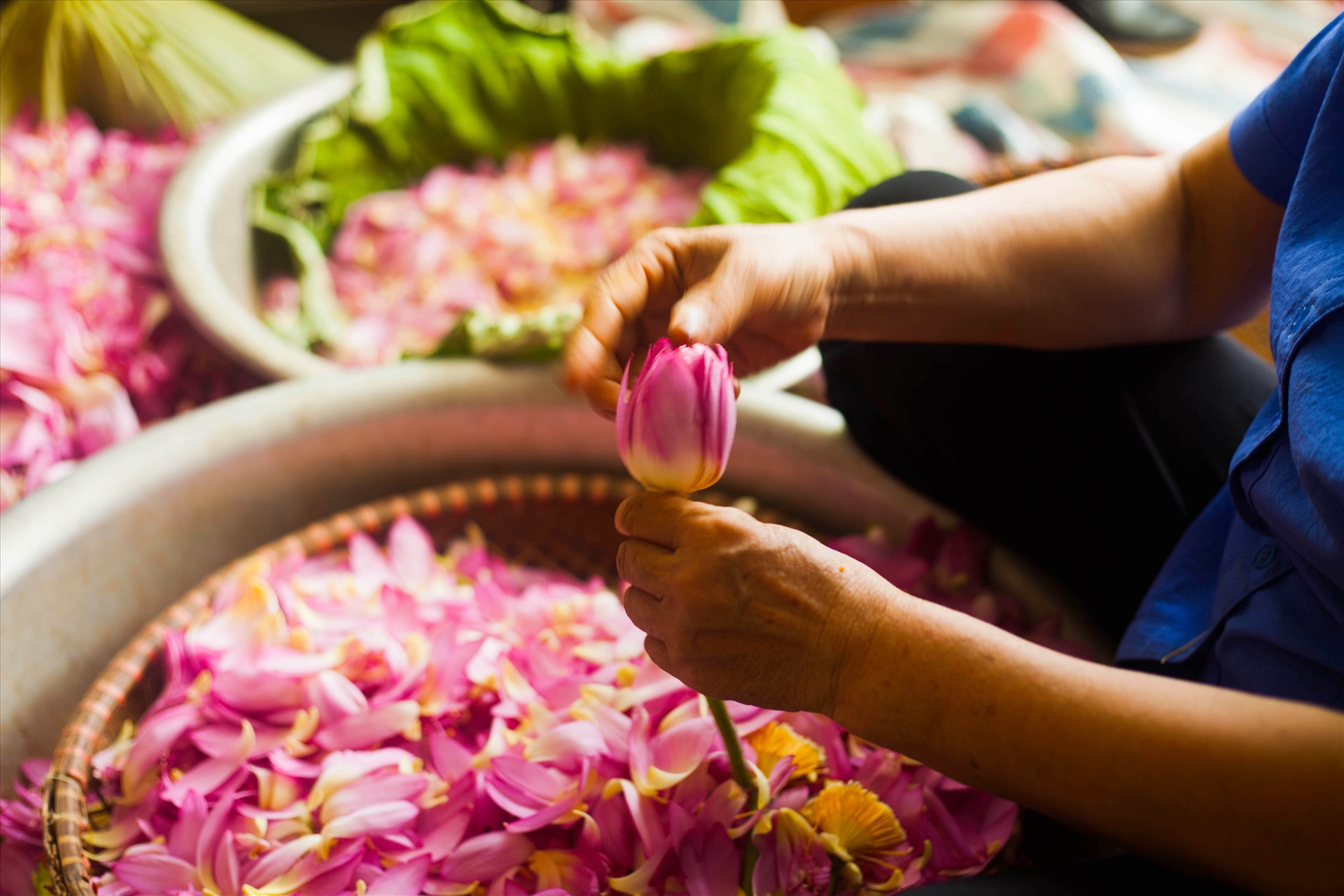
The tea then undergoes a meticulous scenting cycle that may be repeated four to seven times. During each round, the tea is layered with fresh lotus stamens and left to absorb the fragrance for approximately 12 hours before being gently dried and sifted. This process allows the floral aroma to penetrate deeply into the tea leaves, creating a rich and lasting fragrance. Thanks to this craftsmanship, traditional West Lake lotus tea can preserve its distinctive flavor and aroma for two to three years when properly stored.
Another popular variation is known as ướp xổi, or fresh lotus-scented tea. Instead of using separated stamens, tea leaves are placed directly inside a fresh lotus bud, which is then carefully wrapped and left overnight. As the flower naturally closes around the tea, its fragrance is infused into the leaves. This method produces a fresher, lighter, and more delicate aroma that captures the essence of a blooming lotus. However, because it contains more natural moisture, fresh lotus tea is more difficult to preserve and is typically stored in a freezer to maintain its quality.
Whether crafted through the traditional multi-stage scenting technique or the fresh overnight infusion method, West Lake lotus tea reflects the dedication, patience, and artistry that define Hanoi's most celebrated tea-making tradition.
The Art of Drinking Lotus Tea
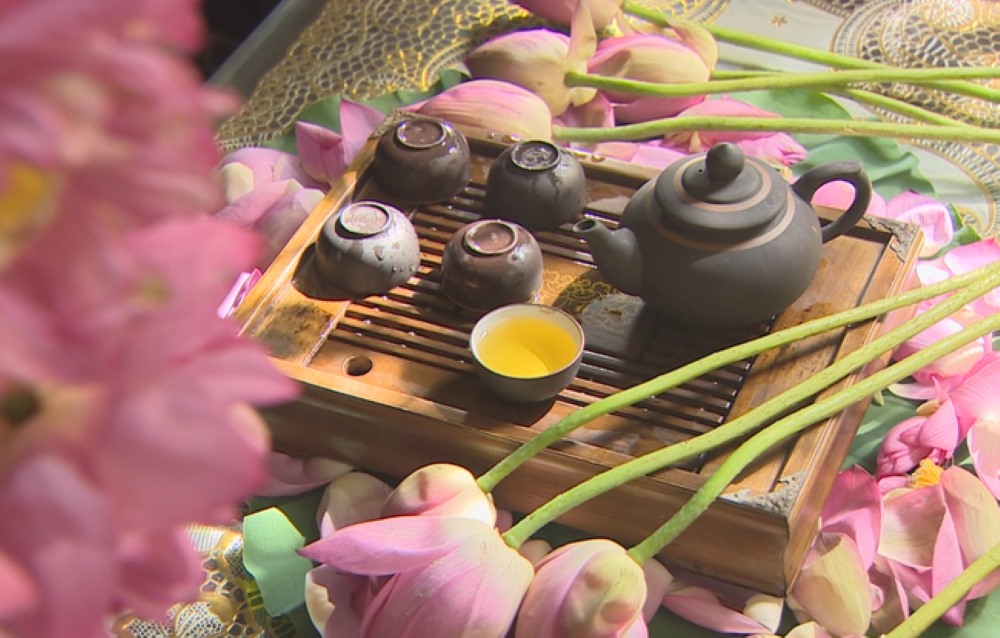
Enjoying West Lake lotus tea is more than a tasting experience. It is a refined ritual that reflects the elegance and mindfulness deeply rooted in Hanoi's tea culture. From evaluating the quality of the tea to preparing multiple infusions, every step is designed to reveal the delicate layers of aroma and flavor hidden within each lotus-scented leaf.
A high-quality lotus tea bud can be identified by several characteristics. When opened, the lotus petals should retain their soft pink or pale purple hue, while the tea leaves remain slightly moist and expand beautifully during brewing. The brewed tea should appear clear and bright, displaying a light green or golden-yellow color. Most importantly, it should release the unmistakable fragrance of fresh lotus flowers, accompanied by a gentle sweetness and a pleasantly balanced astringency.
Proper brewing is essential to preserving these delicate flavors. Tea connoisseurs typically use water that has just boiled and then cooled slightly to around 90 to 95°C. This temperature helps extract the tea's aroma without scorching the leaves.
The first infusion is prepared by pouring a steady stream of hot water into the teapot, allowing the leaves to swirl evenly. After steeping for just 10 to 15 seconds, the tea is poured out immediately. This initial brew highlights the freshness of the tea leaves and the subtle floral notes of the lotus.
For the second infusion, additional lotus stamens are added to the teapot, enriching the fragrance and bringing forward a sweeter, more pronounced lotus aroma. The third infusion introduces finely torn lotus seed pods, adding another layer of complexity and creating a deeper connection to the flower itself.
These three rounds of tea offer three distinct flavor experiences, each revealing a different aspect of the lotus. Together, they transform a simple beverage into a cultural journey, allowing tea lovers to appreciate the grace, sophistication, and timeless charm that define the traditional lifestyle of Hanoi.
Hanoi lotus tea is more than a traditional beverage. It is a living symbol of Hanoi's cultural heritage, where nature, craftsmanship, and tradition come together in perfect harmony. From the prized Bách Diệp lotus of West Lake to the meticulous scenting process passed down through generations, every cup reflects the elegance and sophistication of the Vietnamese capital. Whether enjoyed for its delicate aroma, unique flavor, or cultural significance, Hanoi lotus tea remains one of the most authentic and memorable experiences for anyone wishing to discover the true spirit of Hanoi.
Read this next
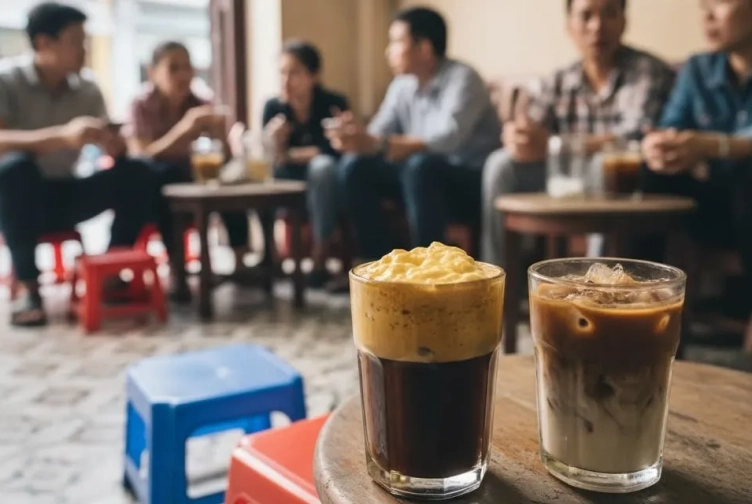
VIETNAMESE COFFEE CULTURE - MORE THAN A DRINK

Quick Contact
Reviews from Customers
Please take a look at the following reviews from our customers

Mr Clarence- Travel President, Philippines
Vietnam | 01/14/2026
Luxury Golf Tour in Da Nang, 5days
Hi Jimy, We returned home safely today. I would like to say a special thanks to you and your team ACT TRAVEL. We really loved and satisfied with your pro services. We do love these golf courses in Da Nang. They were amazing and fantastic quality and view. We will come back here soon. I am looking foward to working together with you soon! Best regards, Mr Clarence- Travel President, Philippines
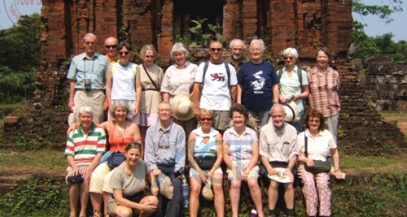
Mr. Jean Pie
United Kingdom | 10/13/2014
RAM Holidays from UK (Impressive of Vietnam 15 days)
Mr. Jean Pie – Tour Leader said “Thank you very much for doing such an excellent job on the tour. You went above and beyond for all of us and we really appreciate all your hard work. Thank you for your calm leadership through the “HAIYAN” storm, you really help us through it. Thanks to ACT Travel, we had a wonderful time and unforgettable memory”.
Mr. Navy Vang
Australia | 10/13/2014
Mandarin Group from Australia (Charming Vietnam 10 Days)
Mr. Navy Vang - Tour manager from Australia said: " Wow what a great vacation !. Thank you Mr Kelvin Pham so much. We are very grateful for everything you did for us and everything went very well. We’re safe and sound back home thinking about the joy we experienced. I've already decided that when I choose to travel again, I will go through your company. I also highly recommend ACT Travel Travel to any organization looking for a great agency. Kind regards

Mr. Ricardo - Program Manager
Brazil | 03/31/2014
DOMINGOS Group from Brazin (IMPRESSIVE VIETNAM 17 DAYS.)
Mr. Ricardo - Program Manager said “Dear Kelvin, Thanks you very much for your well arrangement. Thank you for the updated weather information. I have traveled a lot as a geography professor and dealt with many tour operators. You are one of the best tour operators who can take so much concern and care about customers. I must congratulate you on your good organization and care to minute points. Thanks for the mobile phone you provided to us and SIM cards you provide to all of us (29 cards, I know they are not cheap), it was an excellent convenience for us. It was a brilliant idea and we really appreciated knowing there was someone we could contact at any time should we need to. We love your welcome dinner at Binh Quoi village, where we enjoyed rich traditional southern Vietnamese cuisine with musical accompaniment provided by local folk musicians. We were very interested in the traditional Vietnamese wedding in Binh Quoi and we never forget the “Gong show” in Buon Me Thuot. Once again, thank you very much for great job”.

Ms. Barbara Betts
Australia | 10/13/2014
Orbiz Group from Australia (Discover Vietnam and Cambodia 15 Days)
Ms. Barbara Betts - Escorted guide from Australia said: " Dear Kelvin I want to take this opportunity to thanks you for providing us with superb guides in Vietnam and Cambodia. Well, Manh - tour guide in Vietnam is very professional and knowledegable and you can feel very safe in allowing him to guide your tours. The drivers you provided were also friendly, capable and they too did everything for the group to be happy Thanks you Kelvin so far for a fabulous tour.
Mr. Dany
Malaysia | 10/13/2014
Teachers Group From Malaysia ( Hanoi – Halong bay – Ninh Binh 6 Days )
Mr. Dany - Escorted guide from Malaysia said: " Hi Kelvin Pham, Thanks for arranging a great trip. I wanted to let you know how pleased we were with the itinerary and all the arrangements you organized. Everything worked extremely well and went exactly as planned. The guides were very knowledgable. My favorite site was cruising on the Halong bay. The hotels were great as they were located at the heart of city. We did enjoy eating at the local restaurants as arranged by ACT. The foods were sometimes unusual, but still tasty. I loved “Pho Hanoi“ very much and I would try to cook at my home… Thanks again

Mr. Ohad
Turkey | 10/13/2014
Istmaz Group from Turkey (Saigon - Mekong Delta - Cambodia - Angkor Wat 12 Days).
Mr. Ohad - The Tour Leader said: " On behalf of the entire group, I just wanted to thank both of you for all your help and outstanding execution in making our trip memorable! The entire group could not say enough great things about how well organized & smooth everything went. I really enjoyed Vietnam & Travel. Both tour guides were terrific and Angkor Wat was just amazing! All your arrangements worked out very smoothly and I consider the pilgrimage to be a great success ".
Mr. Steven
United Kingdom | 10/13/2014
Ponila Group from UK (Higlight of Vietnam 16 Days).
Mr. Steven - Escorted guide from UK said: Our trip to Vietnam was overall a positive one. We were very happy with the level of accommodation and quality of the food at all times. We love Hanoi but Ha Long Bay is certainly one of the most beautiful places we have ever seen; the old city in Hoi An has great potential becoming a world-class tourist attraction; and citadel in Hue embodies a great deal of historic signifance, we have a lot of photos in Hue. Cruising on Mekong Delta river was so interesting and Dalat highland was very romantic. Finally, please give our thanks to the tour guides Mrs Phuong, Mr Ky and the drivers who accompanied us throughout, always accommodating to the group's requests and last minute changes in itinerary. We won't forget you!

Mr. Barrick
United States | 10/13/2014
Global Alliane Group From USA (Discover Vietnam – Cambodia 10 Days)
Mr. Barrick - the Tour Leader said: " Dear ACT Team,This is to thank you, and all of those who organised and guided our visit to Vietnam & Cambodia, for a superb holiday. We had a trip of a life time. Everything we were promised happened and more. We brought back so many memories and stories. The restaurants were wonderful and the hotels were great. Mr Nguyen had such a lot of knowledge he shared with us, and had a great sense of humor. He even knew of some Cambodian slang words. The whole trip will be something we will always remember and share with our family and friends. Thanks for all your help in making it so enjoyable. We shall tell all our friends traveling to Indochina that they must use ACT Travel's services !! ".
Partner





ACT VIETNAM TRAVEL
No 3, Alley 25, Dich Vong Hau Str, Cau Giay Dist, Hanoi Capital, Vietnam
sales@vietnamtraveland.com - jimy@vietnamtraveland.com - vip@vietnamtraveland.com
License: 01-639/2015/CDLQGVN-GPLHQT
Company
Term of use
Payment Methods


