
Vietnam Currency & Payment Guide: Everything Travelers Need to Know
Content []
What Currency Is Used in Vietnam?
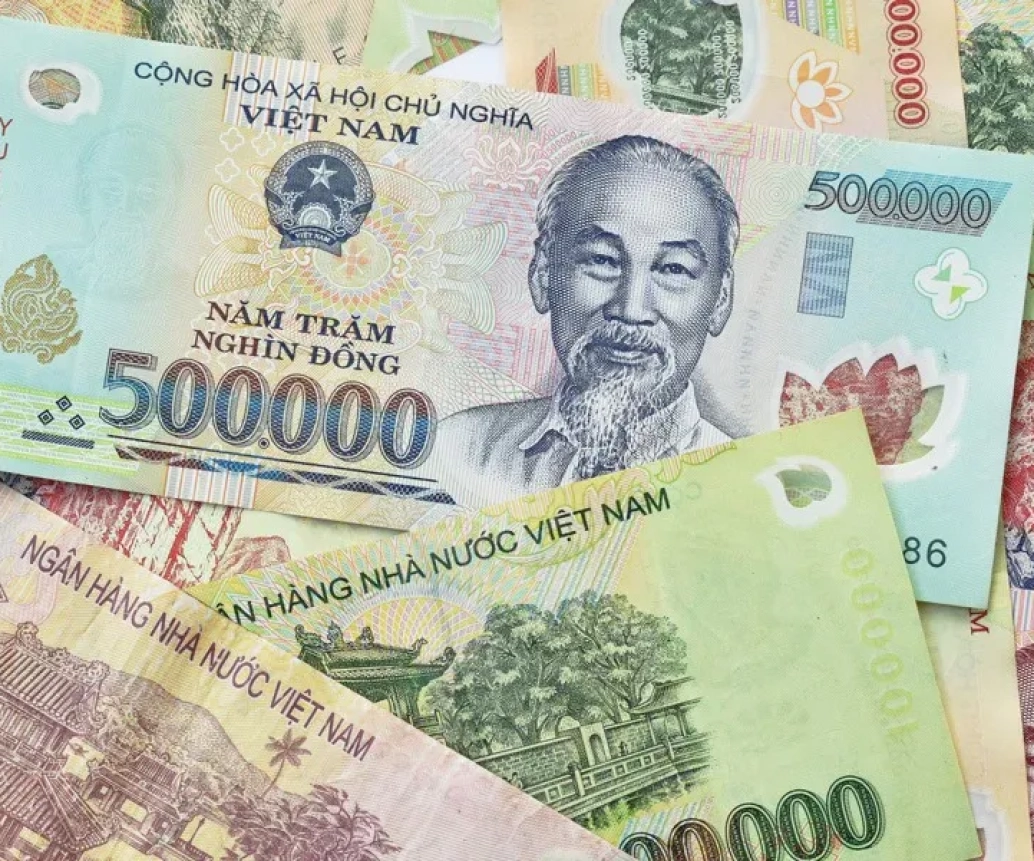
The official Vietnam currency is the Vietnamese Dong (VND), often shown as "₫" or simply "VND." Unlike many countries, Vietnam uses only banknotes, most of the notes in circulation today are durable polymer banknotes, which can sometimes look quite similar to first-time visitors because of their colors and multiple zeros.
One thing that surprises many travelers is how large the numbers can seem. A simple meal might cost 50,000 VND, while a hotel stay could cost several million VND. Don't worry, it becomes surprisingly easy to read prices after a day or two in the country.
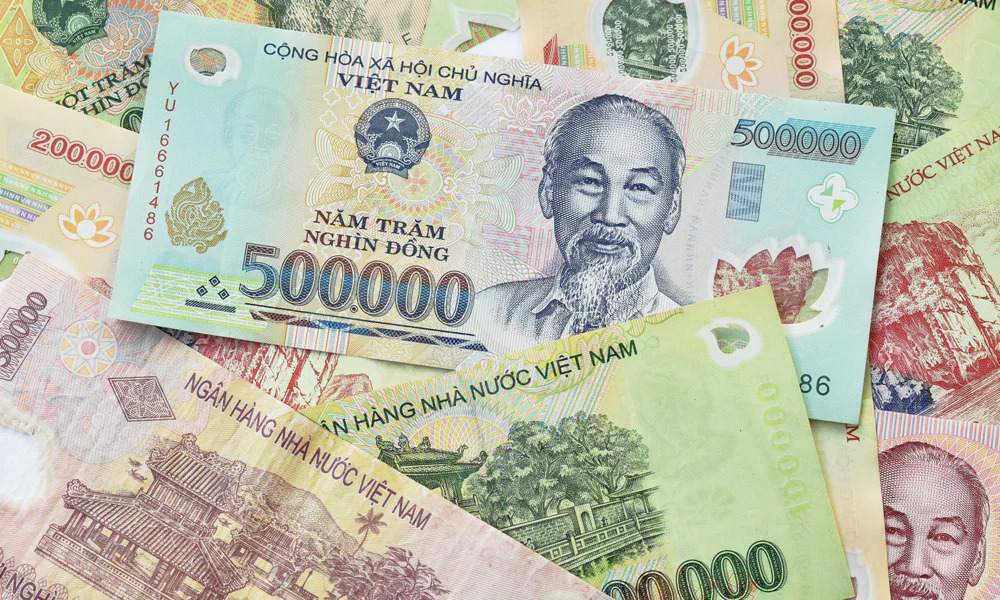
Accessing money in Vietnam is generally convenient. ATMs in Vietnam are widely available in major cities, airports, shopping centers, and popular tourist destinations. Most international cards, including Visa and Mastercard, are accepted for cash withdrawals, although ATM fees may vary depending on the bank.
If you prefer to bring foreign currency, it is easy to exchange money in Vietnam. International airports, banks, hotels, and authorized exchange counters in major tourist areas all offer currency exchange services. While cash remains useful for small purchases, understanding Vietnam currency and payment options before your trip will help you travel more confidently and avoid unnecessary hassles.
Cash, Card or QR codes? Which Payment Method Is Best in Vietnam?
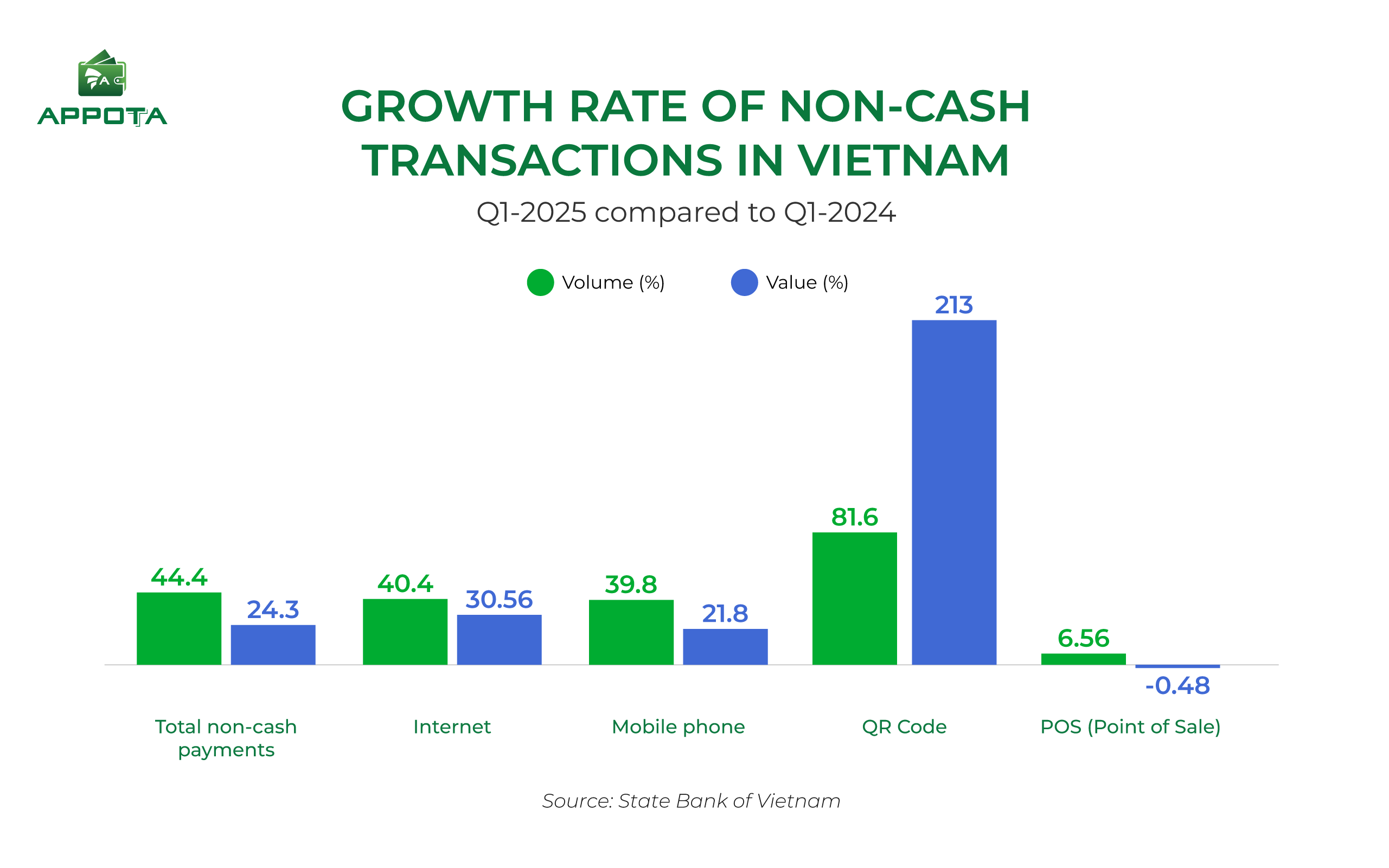
Vietnam is rapidly embracing digital payments, making it easier than ever for travelers to pay for goods and services. However, when it comes to payment methods in Vietnam, there is no single option that works perfectly everywhere.
Cash remains the most universally accepted form of payment and is still essential in many situations. While major cities have become increasingly cashless, you'll likely need cash when visiting rural areas, local markets, temples, street food stalls, or buying from older vendors who may not use digital payment technology. Having some Vietnamese Dong on hand can make everyday transactions much smoother.
International cards are widely accepted in shopping malls, upscale restaurants, hotels, supermarkets, and many tourist attractions. Visa and Mastercard are the most commonly accepted cards, while JCB is also supported at numerous establishments. Before using your card, it is worth checking with your bank about foreign transaction fees and currency conversion charges, as these can vary significantly.
You will also notice QR codes almost everywhere in Vietnam. From cafés and convenience stores to taxis and local shops, QR payments have become one of the country's most popular payment methods. However, most QR systems currently rely on Vietnamese bank accounts and local e-wallets, making them less convenient for international visitors than they are for residents.
For most travelers, the best approach is to use a combination of payment methods. Cards offer convenience and security in major cities, while cash remains invaluable when exploring local neighborhoods, cultural sites, countryside destinations, and authentic food experiences. By carrying both, you'll be prepared for virtually any situation during your trip to Vietnam.
Essential Vietnam Payment Tips for First-Time Visitors
Beyond understanding Vietnam currency and payment methods, a few local customs can help make your trip smoother and more enjoyable.
One question many travelers have is whether tipping is expected in Vietnam. Unlike in some Western countries, tipping is not traditionally part of Vietnamese culture and is never mandatory. However, it has become increasingly common in tourism-related services such as private tours, spa treatments, beauty salons, and high-end restaurants. If you receive exceptional service, a small tip is always appreciated but never expected.
Another useful tip is to be prepared for bargaining. Negotiating prices is common in traditional markets and some tourist shopping areas, especially when buying souvenirs, clothing, or handicrafts. Rather than viewing it as an uncomfortable transaction, think of it as part of the local shopping experience. A friendly smile and a good sense of humor often go much further than aggressive negotiation. If you're unsure whether a price is reasonable, take a few minutes to compare prices at different stalls before making a purchase.
Finally, keep a small amount of cash with you even if you plan to rely mostly on cards. While Vietnam's digital payment landscape continues to grow rapidly, cash remains useful for street food, local markets, small cafés, transportation, and other everyday purchases. A combination of cash and card remains the most practical approach for most visitors exploring Vietnam.
From bustling cities and ancient towns to hidden gems off the beaten path, Vietnam offers unforgettable experiences at every turn. With a basic understanding of Vietnam currency and payment methods, you'll be ready to travel with confidence and make the most of your adventure. Looking for a seamless journey? ACT Travel can create a customized itinerary tailored to your interests, helping you experience Vietnam with ease from the moment you arrive.
Read this next


Travel Green for Earthday 2025
Quick Contact
Reviews from Customers
Please take a look at the following reviews from our customers
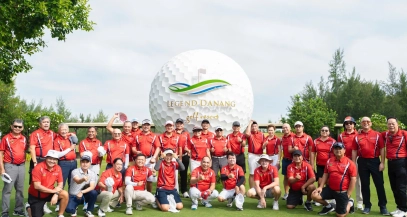
Mr Clarence- Travel President, Philippines
Vietnam | 01/14/2026
Luxury Golf Tour in Da Nang, 5days
Hi Jimy, We returned home safely today. I would like to say a special thanks to you and your team ACT TRAVEL. We really loved and satisfied with your pro services. We do love these golf courses in Da Nang. They were amazing and fantastic quality and view. We will come back here soon. I am looking foward to working together with you soon! Best regards, Mr Clarence- Travel President, Philippines
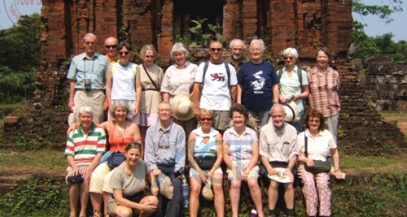
Mr. Jean Pie
United Kingdom | 10/13/2014
RAM Holidays from UK (Impressive of Vietnam 15 days)
Mr. Jean Pie – Tour Leader said “Thank you very much for doing such an excellent job on the tour. You went above and beyond for all of us and we really appreciate all your hard work. Thank you for your calm leadership through the “HAIYAN” storm, you really help us through it. Thanks to ACT Travel, we had a wonderful time and unforgettable memory”.
Mr. Navy Vang
Australia | 10/13/2014
Mandarin Group from Australia (Charming Vietnam 10 Days)
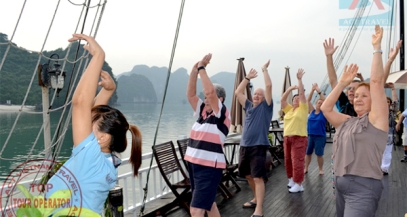
Mr. Navy Vang - Tour manager from Australia said: " Wow what a great vacation !. Thank you Mr Kelvin Pham so much. We are very grateful for everything you did for us and everything went very well. We’re safe and sound back home thinking about the joy we experienced. I've already decided that when I choose to travel again, I will go through your company. I also highly recommend ACT Travel Travel to any organization looking for a great agency. Kind regards
Mr. Ricardo - Program Manager
Brazil | 03/31/2014
DOMINGOS Group from Brazin (IMPRESSIVE VIETNAM 17 DAYS.)
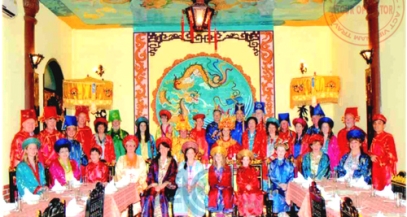
Mr. Ricardo - Program Manager said “Dear Kelvin, Thanks you very much for your well arrangement. Thank you for the updated weather information. I have traveled a lot as a geography professor and dealt with many tour operators. You are one of the best tour operators who can take so much concern and care about customers. I must congratulate you on your good organization and care to minute points. Thanks for the mobile phone you provided to us and SIM cards you provide to all of us (29 cards, I know they are not cheap), it was an excellent convenience for us. It was a brilliant idea and we really appreciated knowing there was someone we could contact at any time should we need to. We love your welcome dinner at Binh Quoi village, where we enjoyed rich traditional southern Vietnamese cuisine with musical accompaniment provided by local folk musicians. We were very interested in the traditional Vietnamese wedding in Binh Quoi and we never forget the “Gong show” in Buon Me Thuot. Once again, thank you very much for great job”.
Ms. Barbara Betts
Australia | 10/13/2014
Orbiz Group from Australia (Discover Vietnam and Cambodia 15 Days)
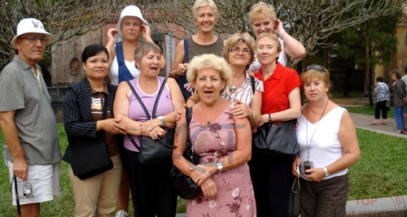
Ms. Barbara Betts - Escorted guide from Australia said: " Dear Kelvin I want to take this opportunity to thanks you for providing us with superb guides in Vietnam and Cambodia. Well, Manh - tour guide in Vietnam is very professional and knowledegable and you can feel very safe in allowing him to guide your tours. The drivers you provided were also friendly, capable and they too did everything for the group to be happy Thanks you Kelvin so far for a fabulous tour.
Mr. Dany
Malaysia | 10/13/2014
Teachers Group From Malaysia ( Hanoi – Halong bay – Ninh Binh 6 Days )
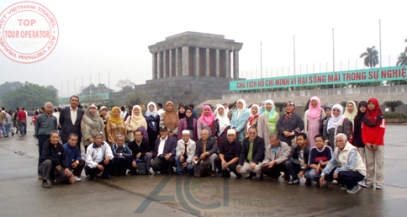
Mr. Dany - Escorted guide from Malaysia said: " Hi Kelvin Pham, Thanks for arranging a great trip. I wanted to let you know how pleased we were with the itinerary and all the arrangements you organized. Everything worked extremely well and went exactly as planned. The guides were very knowledgable. My favorite site was cruising on the Halong bay. The hotels were great as they were located at the heart of city. We did enjoy eating at the local restaurants as arranged by ACT. The foods were sometimes unusual, but still tasty. I loved “Pho Hanoi“ very much and I would try to cook at my home… Thanks again
Mr. Ohad
Turkey | 10/13/2014
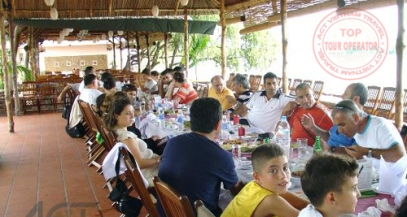
Istmaz Group from Turkey (Saigon - Mekong Delta - Cambodia - Angkor Wat 12 Days).
Mr. Ohad - The Tour Leader said: " On behalf of the entire group, I just wanted to thank both of you for all your help and outstanding execution in making our trip memorable! The entire group could not say enough great things about how well organized & smooth everything went. I really enjoyed Vietnam & Travel. Both tour guides were terrific and Angkor Wat was just amazing! All your arrangements worked out very smoothly and I consider the pilgrimage to be a great success ".
Mr. Steven
United Kingdom | 10/13/2014
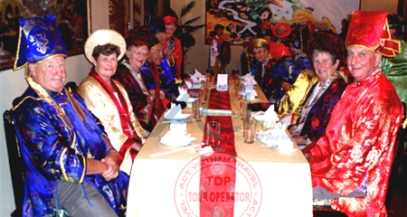
Ponila Group from UK (Higlight of Vietnam 16 Days).
Mr. Steven - Escorted guide from UK said: Our trip to Vietnam was overall a positive one. We were very happy with the level of accommodation and quality of the food at all times. We love Hanoi but Ha Long Bay is certainly one of the most beautiful places we have ever seen; the old city in Hoi An has great potential becoming a world-class tourist attraction; and citadel in Hue embodies a great deal of historic signifance, we have a lot of photos in Hue. Cruising on Mekong Delta river was so interesting and Dalat highland was very romantic. Finally, please give our thanks to the tour guides Mrs Phuong, Mr Ky and the drivers who accompanied us throughout, always accommodating to the group's requests and last minute changes in itinerary. We won't forget you!
Mr. Barrick
United States | 10/13/2014
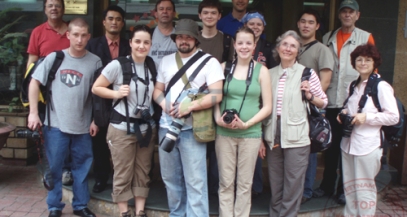
Global Alliane Group From USA (Discover Vietnam – Cambodia 10 Days)
Mr. Barrick - the Tour Leader said: " Dear ACT Team,This is to thank you, and all of those who organised and guided our visit to Vietnam & Cambodia, for a superb holiday. We had a trip of a life time. Everything we were promised happened and more. We brought back so many memories and stories. The restaurants were wonderful and the hotels were great. Mr Nguyen had such a lot of knowledge he shared with us, and had a great sense of humor. He even knew of some Cambodian slang words. The whole trip will be something we will always remember and share with our family and friends. Thanks for all your help in making it so enjoyable. We shall tell all our friends traveling to Indochina that they must use ACT Travel's services !! ".
Partner


ACT VIETNAM TRAVEL
No 3, Alley 25, Dich Vong Hau Str, Cau Giay Dist, Hanoi Capital, Vietnam
sales@vietnamtraveland.com - jimy@vietnamtraveland.com - vip@vietnamtraveland.com
License: 01-639/2015/CDLQGVN-GPLHQT
Company
Term of use
Payment Methods


