

Your First Trip to Vietnam: Things to Know Before You Go
Content []
Your First Trip to Vietnam: Things to Know Before You Go
Planning Your First Trip to Vietnam: What You Need to Know
Planning your first trip to Vietnam can be an exciting experience, but a little preparation goes a long way. From choosing the right travel season to understanding visa requirements and local payment methods, knowing what to expect will help you make the most of your journey.
How Long Should You Spend in Vietnam?
Vietnam stretches from north to south, with each region offering distinct landscapes, cultures and experiences. Ideally, you should spend at least 2–3 weeks in Vietnam if you want to explore one or two regions in depth. If your holiday is shorter, focus on a particular region rather than rushing between destinations across the country. This gives you more time to enjoy each place instead of spending most of your trip on the road.
When Is the Best Time to Visit Vietnam?
Vietnam's climate varies considerably between regions, so there is no single best time to visit the entire country. Generally, October to December is a pleasant period to explore Northern Vietnam, while Central Vietnam is particularly inviting from March to May. In Southern Vietnam, the dry season typically runs from December to April, offering favorable conditions for sightseeing and outdoor activities. Choosing your travel dates based on your preferred destinations can make a big difference to your experience.
Do You Need a Visa to Visit Vietnam?
Visa requirements depend on your nationality and length of stay. Citizens of several countries can enter Vietnam visa-free for a specified period, while others need to obtain a visa before departure. If you need an e-visa for Vietnam, you can apply through the official government immigration portal. Although standard processing usually takes around three working days, applying 2 weeks to 1 month before departure is recommended to allow extra time for unexpected delays.
Where Should You Go on Your First Trip to Vietnam?
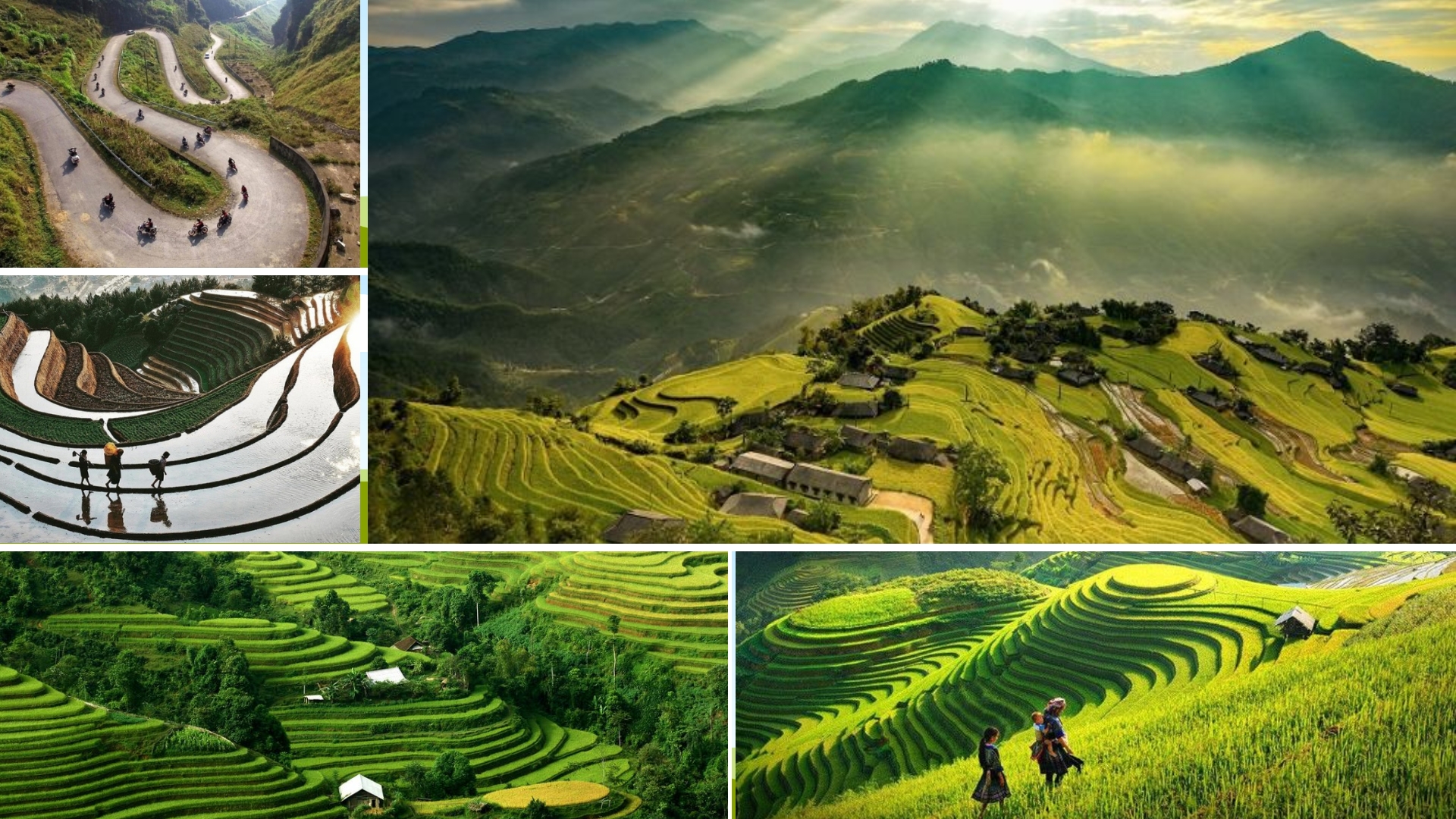
For first-time visitors, several destinations offer a wonderful introduction to Vietnam's landscapes and cultural heritage. Start with Hanoi, the capital, where centuries-old architecture and lively street life create a distinctive atmosphere. Continue to Ha Long Bay to admire its spectacular limestone karsts, then head south to Da Nang, Hoi An Ancient Town and Ho Chi Minh City to experience the country's diverse charm. If you enjoy adventurous journeys, Ha Giang is another unforgettable destination, known for its dramatic mountain passes and ethnic minority communities. Beyond these famous highlights, Vietnam also has plenty of hidden gems worth discovering. Ninh Binh impresses visitors with its limestone mountains and peaceful waterways, while Lan Ha Bay offers a quieter alternative to Ha Long Bay. Further north, Cao Bang captivates with spectacular waterfalls and rugged mountain scenery, while the Central Highlands reveal a different side of Vietnam through vast forests, coffee plantations and distinctive ethnic cultures. These destinations are perfect for tourists seeking a closer connection with nature and local life.
How Should You Pay in Vietnam?
The Vietnamese Dong (VND) is the official currency, but international tourists can also use Visa cards at many hotels, restaurants, shopping malls and larger businesses. However, cash remains essential for everyday purchases, especially at street food stalls, local markets and small family-run restaurants. It is therefore a good idea to carry some Vietnamese Dong with you rather than relying entirely on card payments.
Which Apps Should You Download Before Your Trip?
A few useful mobile apps can make getting around Vietnam much easier. Grab and Xanh SM are convenient options for booking rides, helping you check fares in advance and avoid potential taxi scams. Meanwhile, Google Maps is useful for navigating unfamiliar streets, finding restaurants and planning routes. For communication, Google Translate can help you understand menus, ask for directions and interact with local people, especially in places where English is less commonly spoken.
Planning ahead does not mean filling every moment with a fixed schedule. Leave some room for spontaneous discoveries, local experiences and unexpected stops. That is often when the most memorable parts of your first Vietnam adventure begin.
Vietnamese Etiquette: Local Customs and Cultural Do's and Don'ts
Vietnamese culture is shaped by long-standing traditions, respect for others and a strong sense of community. While locals are generally friendly and welcoming to international tourists, understanding a few basic customs can help you avoid awkward situations and make your interactions more enjoyable. Here are some simple Vietnam travel tips to help you navigate local etiquette.
Dress Respectfully in Religious and Sacred Places
When visiting temples, pagodas and other religious sites, dress modestly to show respect for local beliefs and traditions. Avoid wearing revealing clothing such as short shorts, crop tops or low-cut outfits. In everyday settings, you can dress comfortably, but it is always a good idea to observe how locals dress, especially when entering traditional or sacred spaces.
Observe Local Customs Before Taking Action
Vietnamese customs may differ from what you are familiar with, so take a moment to observe your surroundings and follow local practices. For example, remove your shoes when requested, speak in a considerate manner and avoid loud or disruptive behavior in places of worship. Most importantly, approach cultural differences with an open mind and a friendly attitude. A warm smile can go a long way, even when language becomes a barrier.
Tipping Is Appreciated but Not Expected
Unlike in some Western countries, tipping is not a compulsory part of everyday life in Vietnam. You are welcome to leave a tip when you genuinely appreciate the service, whether at a restaurant, hotel or during a guided tour. The amount is entirely up to you, so there is no need to feel pressured to tip every time. A sincere thank-you is equally appreciated.
Vietnam Travel Safety: Tips for a Worry-Free Journey
Vietnam is generally a welcoming destination for international tourists, but its busy streets, unfamiliar traffic and lively markets may take some getting used to. Knowing a few basic precautions can help you avoid common problems and enjoy a more comfortable first trip to Vietnam.
Learn How to Cross the Street Safely
Crossing the street in Vietnam, especially in Hanoi and Ho Chi Minh City, can feel intimidating when motorcycles seem to flow from every direction. The key is to walk slowly and steadily, maintaining a predictable pace so that approaching drivers can anticipate your movements. Avoid suddenly changing direction, running or stopping in the middle of the road. Take a moment to observe the traffic before crossing and follow the flow with confidence.
Be Careful When Renting a Motorbike
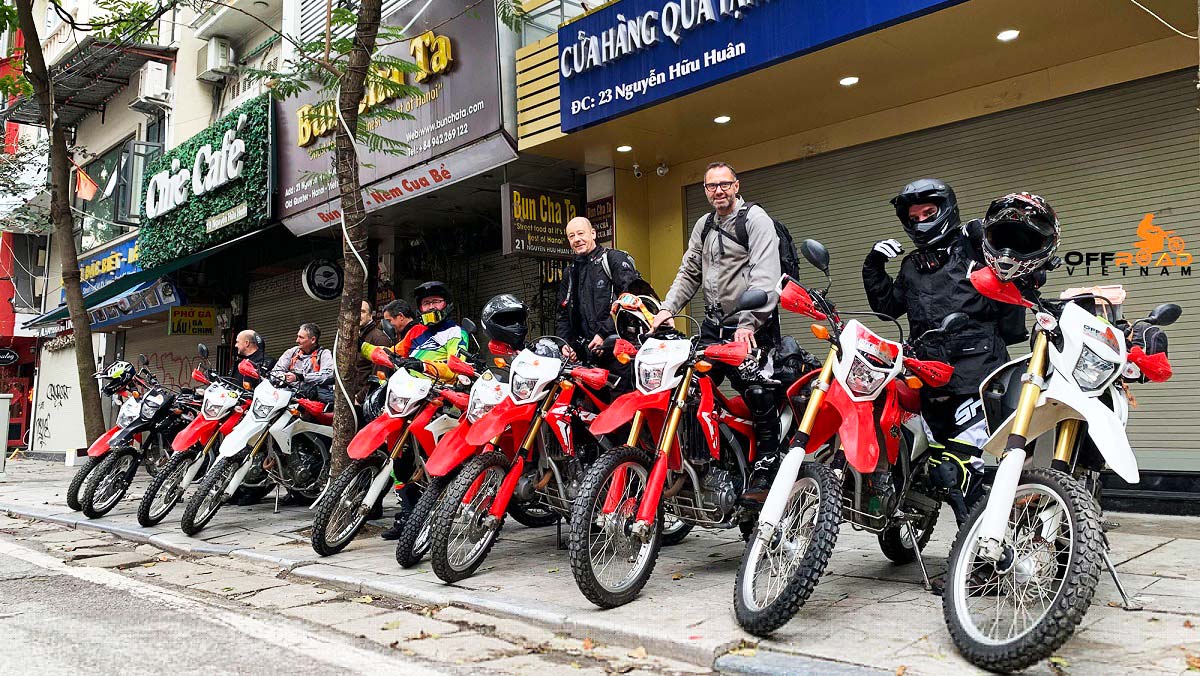
Motorbikes are one of the most popular ways to get around Vietnam, but local traffic can be challenging for those unfamiliar with the roads. Only consider renting one if you have a valid driving licence recognized in Vietnam, appropriate insurance coverage and sufficient riding experience. Always wear a helmet and check the vehicle's condition before setting off. If you are not confident riding in busy traffic, ride-hailing services such as Grab or Xanh SM are much safer and more convenient alternatives.
Be Mindful of Prices When Shopping at Local Markets
At street stalls and traditional markets, some vendors may quote higher prices to foreign tourists, particularly when prices are not displayed. To avoid paying more than expected, check typical prices beforehand, compare a few stalls or choose shops with clearly displayed price tags. Bargaining is part of the shopping experience in some local markets, but keep it friendly and reasonable. Remember that a small price difference is rarely worth turning a pleasant interaction into an uncomfortable one!
Vietnamese Cuisine: What to Eat and What to Expect
Vietnam is a paradise for food lovers, famous for its fresh ingredients, aromatic herbs and incredible variety of regional specialties. From steaming bowls of pho to sizzling street food served on bustling sidewalks, there is always something delicious waiting around the corner. To make the most of your culinary adventure, here are a few things to know about Vietnamese food culture before you start exploring.
Pay Attention to Street Food Opening Hours
One interesting thing about street food in Vietnam is that many vendors operate at specific times of the day. Some stalls open early in the morning for breakfast, while others only start serving in the late afternoon or evening. Certain popular dishes may even sell out before closing time. If you have a particular local specialty in mind, ask locals about the best time to try it rather than assuming the stall will be open all day.
Order the Restaurant's Specialty
Many small Vietnamese eateries focus on just one or a few signature dishes rather than offering an extensive menu. This is often a good sign that the restaurant has perfected its specialty over the years. Instead of spending too much time choosing, try ordering the dish the restaurant is known for. You can also take a look at what other customers are eating for inspiration. It is a simple way to discover authentic local flavors.
Follow Basic Chopstick Etiquette
Chopsticks are an essential part of everyday dining in Vietnam, but there are a few traditional rules worth remembering. Never stick your chopsticks upright into a bowl of rice, as this resembles incense sticks offered during ancestral rituals and is considered inappropriate at the dining table. You should also avoid pointing chopsticks at other people or using them to spear food. These small gestures show respect for Vietnamese dining customs and help you feel more at ease when sharing a meal with locals.
Ultimately, the best way to experience Vietnamese cuisine is to stay curious and try something new. Don't hesitate to explore local eateries, follow the tempting aromas along the streets and let your taste buds lead the way!
Read this next


Travel Green for Earthday 2025
Quick Contact
Reviews from Customers
Please take a look at the following reviews from our customers
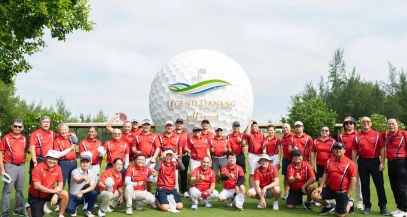
Mr Clarence- Travel President, Philippines
Vietnam | 01/14/2026
Luxury Golf Tour in Da Nang, 5days
Hi Jimy, We returned home safely today. I would like to say a special thanks to you and your team ACT TRAVEL. We really loved and satisfied with your pro services. We do love these golf courses in Da Nang. They were amazing and fantastic quality and view. We will come back here soon. I am looking foward to working together with you soon! Best regards, Mr Clarence- Travel President, Philippines
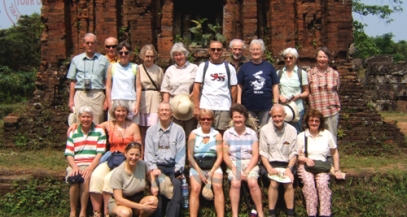
Mr. Jean Pie
United Kingdom | 10/13/2014
RAM Holidays from UK (Impressive of Vietnam 15 days)
Mr. Jean Pie – Tour Leader said “Thank you very much for doing such an excellent job on the tour. You went above and beyond for all of us and we really appreciate all your hard work. Thank you for your calm leadership through the “HAIYAN” storm, you really help us through it. Thanks to ACT Travel, we had a wonderful time and unforgettable memory”.
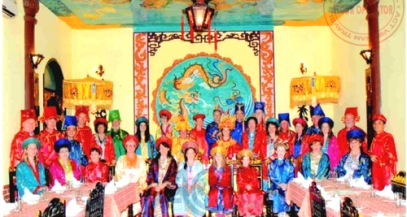
Mr. Navy Vang
Australia | 10/13/2014
Mandarin Group from Australia (Charming Vietnam 10 Days)
Mr. Navy Vang - Tour manager from Australia said: " Wow what a great vacation !. Thank you Mr Kelvin Pham so much. We are very grateful for everything you did for us and everything went very well. We’re safe and sound back home thinking about the joy we experienced. I've already decided that when I choose to travel again, I will go through your company. I also highly recommend ACT Travel Travel to any organization looking for a great agency. Kind regards
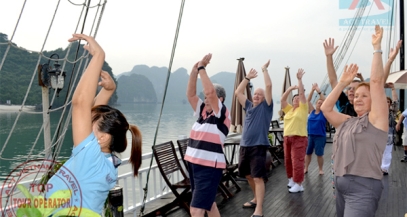
Mr. Ricardo - Program Manager
Brazil | 03/31/2014
DOMINGOS Group from Brazin (IMPRESSIVE VIETNAM 17 DAYS.)
Mr. Ricardo - Program Manager said “Dear Kelvin, Thanks you very much for your well arrangement. Thank you for the updated weather information. I have traveled a lot as a geography professor and dealt with many tour operators. You are one of the best tour operators who can take so much concern and care about customers. I must congratulate you on your good organization and care to minute points. Thanks for the mobile phone you provided to us and SIM cards you provide to all of us (29 cards, I know they are not cheap), it was an excellent convenience for us. It was a brilliant idea and we really appreciated knowing there was someone we could contact at any time should we need to. We love your welcome dinner at Binh Quoi village, where we enjoyed rich traditional southern Vietnamese cuisine with musical accompaniment provided by local folk musicians. We were very interested in the traditional Vietnamese wedding in Binh Quoi and we never forget the “Gong show” in Buon Me Thuot. Once again, thank you very much for great job”.
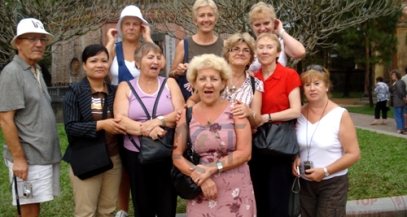
Ms. Barbara Betts
Australia | 10/13/2014
Orbiz Group from Australia (Discover Vietnam and Cambodia 15 Days)
Ms. Barbara Betts - Escorted guide from Australia said: " Dear Kelvin I want to take this opportunity to thanks you for providing us with superb guides in Vietnam and Cambodia. Well, Manh - tour guide in Vietnam is very professional and knowledegable and you can feel very safe in allowing him to guide your tours. The drivers you provided were also friendly, capable and they too did everything for the group to be happy Thanks you Kelvin so far for a fabulous tour.
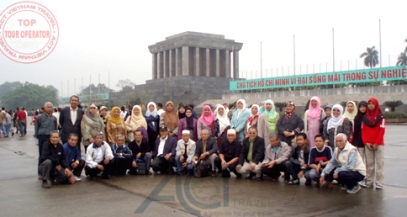
Mr. Dany
Malaysia | 10/13/2014
Teachers Group From Malaysia ( Hanoi – Halong bay – Ninh Binh 6 Days )
Mr. Dany - Escorted guide from Malaysia said: " Hi Kelvin Pham, Thanks for arranging a great trip. I wanted to let you know how pleased we were with the itinerary and all the arrangements you organized. Everything worked extremely well and went exactly as planned. The guides were very knowledgable. My favorite site was cruising on the Halong bay. The hotels were great as they were located at the heart of city. We did enjoy eating at the local restaurants as arranged by ACT. The foods were sometimes unusual, but still tasty. I loved “Pho Hanoi“ very much and I would try to cook at my home… Thanks again
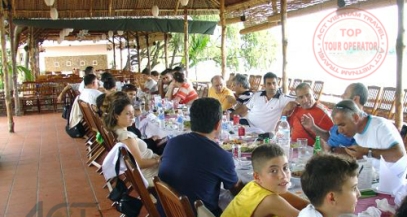
Mr. Ohad
Turkey | 10/13/2014
Istmaz Group from Turkey (Saigon - Mekong Delta - Cambodia - Angkor Wat 12 Days).
Mr. Ohad - The Tour Leader said: " On behalf of the entire group, I just wanted to thank both of you for all your help and outstanding execution in making our trip memorable! The entire group could not say enough great things about how well organized & smooth everything went. I really enjoyed Vietnam & Travel. Both tour guides were terrific and Angkor Wat was just amazing! All your arrangements worked out very smoothly and I consider the pilgrimage to be a great success ".
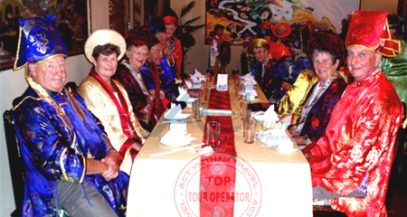
Mr. Steven
United Kingdom | 10/13/2014
Ponila Group from UK (Higlight of Vietnam 16 Days).
Mr. Steven - Escorted guide from UK said: Our trip to Vietnam was overall a positive one. We were very happy with the level of accommodation and quality of the food at all times. We love Hanoi but Ha Long Bay is certainly one of the most beautiful places we have ever seen; the old city in Hoi An has great potential becoming a world-class tourist attraction; and citadel in Hue embodies a great deal of historic signifance, we have a lot of photos in Hue. Cruising on Mekong Delta river was so interesting and Dalat highland was very romantic. Finally, please give our thanks to the tour guides Mrs Phuong, Mr Ky and the drivers who accompanied us throughout, always accommodating to the group's requests and last minute changes in itinerary. We won't forget you!
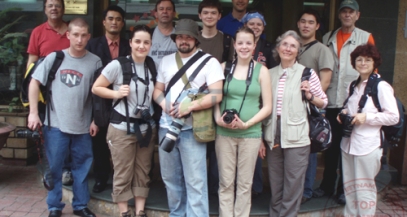
Mr. Barrick
United States | 10/13/2014
Global Alliane Group From USA (Discover Vietnam – Cambodia 10 Days)
Mr. Barrick - the Tour Leader said: " Dear ACT Team,This is to thank you, and all of those who organised and guided our visit to Vietnam & Cambodia, for a superb holiday. We had a trip of a life time. Everything we were promised happened and more. We brought back so many memories and stories. The restaurants were wonderful and the hotels were great. Mr Nguyen had such a lot of knowledge he shared with us, and had a great sense of humor. He even knew of some Cambodian slang words. The whole trip will be something we will always remember and share with our family and friends. Thanks for all your help in making it so enjoyable. We shall tell all our friends traveling to Indochina that they must use ACT Travel's services !! ".
Partner



ACT VIETNAM TRAVEL
No 3, Alley 25, Dich Vong Hau Str, Cau Giay Dist, Hanoi Capital, Vietnam
sales@vietnamtraveland.com - jimy@vietnamtraveland.com - vip@vietnamtraveland.com
License: 01-639/2015/CDLQGVN-GPLHQT
Company
Term of use
Payment Methods


