

Sleeper Bus in Vietnam: A First-Timer’s Guide to Overnight Travel
Content []
Sleeper Bus in Vietnam: A First-Timer’s Guide to Overnight Travel
What Is a Sleeper Bus?
A sleeper bus is one of the most popular ways to travel long distances in Vietnam, especially for overnight journeys between cities. Instead of regular upright seats, the bus is fitted with rows of reclining beds arranged on two levels, allowing passengers to stretch out and rest during the journey. Most buses provide air conditioning, blankets and pillows, while newer vehicles may also offer Wi-Fi and charging ports.
One reason the Vietnam sleeper bus is so popular is its affordability. Fares can start at around $12 (approximately 300,000 VND) for an eight-hour journey, while longer routes and more comfortable VIP services typically cost around $20–$30. Traveling overnight also means you can arrive at your next destination in the morning without losing an entire day to transportation or paying for an extra night at a hotel.

Not every sleeper bus offers the same experience, however. There are several types commonly found across Vietnam:
- 44-bed sleeper bus: The most common and budget-friendly option. Beds are arranged closely together in an open layout, usually without curtains or much personal space.
- 34-bed sleeper bus: A more spacious option with larger beds and individual curtains, offering noticeably more privacy than the standard 44-bed bus.
- VIP/Limousine sleeper bus: Usually designed with around 22–24 private cabins, wider beds and more personal space. Depending on the operator, cabins may include entertainment screens, charging ports, headphones and even an onboard toilet.
For shorter overnight journeys, a standard sleeper bus in Vietnam may be perfectly adequate. But if you are traveling for many hours, are tall, or simply value a little more privacy, upgrading to a cabin or VIP bus can make a surprisingly big difference.
What Is It Really Like to Take an Overnight Bus in Vietnam?
Your first overnight bus in Vietnam may feel a little unusual, but once you settle in, the experience is surprisingly straightforward. Most sleeper buses have padded leather beds and provide a blanket and bottled water, while newer buses may come with reading lights, USB charging ports and free Wi-Fi. On higher-end cabin buses, you might even find a personal entertainment screen, giving your little overnight space a surprisingly cozy feel.
One thing that often catches first-time tourists by surprise happens before the journey even begins: you may be asked to take off your shoes before boarding. Many bus companies provide a plastic bag for your shoes, helping keep the sleeping area clean. It might seem unusual at first, but it quickly becomes part of the Vietnam bus travel experience.
Once on board, your comfort will depend largely on the type of bus you choose. Standard sleeper beds are designed to make the most of the available space, so they can feel narrow or short, particularly if you are tall. A VIP or private cabin generally gives you more room to stretch out, along with a curtain or partition that creates a more private sleeping space.
As for bathroom breaks, don't assume every Vietnamese night bus has a toilet. Some newer VIP buses do have onboard restrooms, but many standard buses do not. Instead, the bus will usually make two or three stops during a long journey, often lasting around 10 to 30 minutes. These rest stops give you time to use the bathroom, stretch your legs and grab a drink or a quick snack before getting back on the road.
And while it is called a sleeper bus, a perfect eight-hour sleep is not guaranteed. There may be road noise, stops along the way and the occasional movement of passengers getting on or off. But that is also part of the experience. Settle under your blanket, put on your headphones and watch Vietnam slip past the window before waking up somewhere completely new.

Essential Tips for Taking a Sleeper Bus in Vietnam
A little preparation can make your first sleeper bus journey much more comfortable. From choosing the right bed to keeping your valuables close, here are a few practical tips worth knowing before you board.
- Choose your bed carefully: If possible, pick a lower bed near the middle of the bus. This area generally feels more stable and is a good choice if you are prone to motion sickness. Lower beds are also easier to access, while upper beds can feel more open and spacious. Beds around rows 2–5 may receive stronger air conditioning, so keep that in mind if you get cold easily.
- Keep valuables with you: Large luggage is usually stored in the compartment underneath the bus and may be tagged before departure. Keep your passport, money, phone, camera and other valuables in a small bag that stays with you throughout the journey rather than packing them in your checked luggage.
- Bring a pair of socks: Since many operators ask passengers to remove their shoes before boarding, socks can make walking around and settling into your bed much more comfortable. They are also handy when the air conditioning turns your cabin into a tiny refrigerator halfway through the night.
- Prepare for motion sickness: Vietnam's mountain routes can involve plenty of curves and elevation changes. If you are sensitive to motion sickness, bring your usual medication and consider taking it before departure according to its directions. Choosing a lower bed near the middle of the bus may also help.
- Pack a small overnight kit: Earplugs or headphones, a face mask, tissues and hand sanitizer can make a surprisingly big difference. Keep these essentials in your personal bag so you can easily reach them without digging through your luggage at a midnight rest stop.
Taking a sleeper bus in Vietnam may feel unfamiliar at first, but once you know what to expect, it can be an affordable and convenient way to cover long distances while you sleep. Pack light, choose your bed wisely and enjoy waking up to a completely different part of Vietnam.
Taking a sleeper bus in Vietnam is more than just getting from one destination to another. It is a practical, affordable and uniquely local way to experience the country, especially when your itinerary takes you across several regions.
Not sure whether a sleeper bus, train, domestic flight or private transfer fits your journey best? ACT Travel Agent can help you plan a smooth Vietnam itinerary with the right transportation, destinations and experiences for your travel style. Contact ACT Travel Agent and start planning your Vietnam adventure today!
Read this next


Travel Green for Earthday 2025

Quick Contact
Reviews from Customers
Please take a look at the following reviews from our customers

Mr Clarence- Travel President, Philippines
Vietnam | 01/14/2026
Luxury Golf Tour in Da Nang, 5days
Hi Jimy, We returned home safely today. I would like to say a special thanks to you and your team ACT TRAVEL. We really loved and satisfied with your pro services. We do love these golf courses in Da Nang. They were amazing and fantastic quality and view. We will come back here soon. I am looking foward to working together with you soon! Best regards, Mr Clarence- Travel President, Philippines
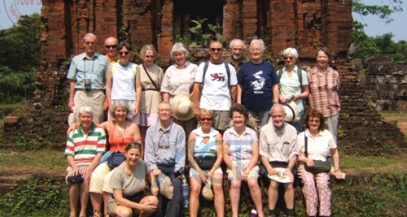
Mr. Jean Pie
United Kingdom | 10/13/2014
RAM Holidays from UK (Impressive of Vietnam 15 days)
Mr. Jean Pie – Tour Leader said “Thank you very much for doing such an excellent job on the tour. You went above and beyond for all of us and we really appreciate all your hard work. Thank you for your calm leadership through the “HAIYAN” storm, you really help us through it. Thanks to ACT Travel, we had a wonderful time and unforgettable memory”.
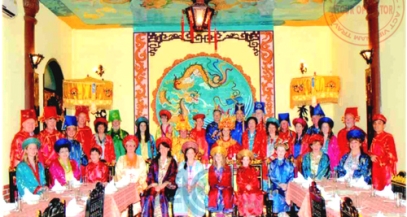
Mr. Navy Vang
Australia | 10/13/2014
Mandarin Group from Australia (Charming Vietnam 10 Days)
Mr. Navy Vang - Tour manager from Australia said: " Wow what a great vacation !. Thank you Mr Kelvin Pham so much. We are very grateful for everything you did for us and everything went very well. We’re safe and sound back home thinking about the joy we experienced. I've already decided that when I choose to travel again, I will go through your company. I also highly recommend ACT Travel Travel to any organization looking for a great agency. Kind regards
Mr. Ricardo - Program Manager
Brazil | 03/31/2014
DOMINGOS Group from Brazin (IMPRESSIVE VIETNAM 17 DAYS.)
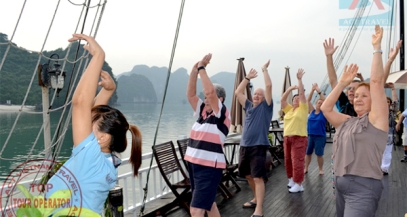
Mr. Ricardo - Program Manager said “Dear Kelvin, Thanks you very much for your well arrangement. Thank you for the updated weather information. I have traveled a lot as a geography professor and dealt with many tour operators. You are one of the best tour operators who can take so much concern and care about customers. I must congratulate you on your good organization and care to minute points. Thanks for the mobile phone you provided to us and SIM cards you provide to all of us (29 cards, I know they are not cheap), it was an excellent convenience for us. It was a brilliant idea and we really appreciated knowing there was someone we could contact at any time should we need to. We love your welcome dinner at Binh Quoi village, where we enjoyed rich traditional southern Vietnamese cuisine with musical accompaniment provided by local folk musicians. We were very interested in the traditional Vietnamese wedding in Binh Quoi and we never forget the “Gong show” in Buon Me Thuot. Once again, thank you very much for great job”.

Ms. Barbara Betts
Australia | 10/13/2014
Orbiz Group from Australia (Discover Vietnam and Cambodia 15 Days)
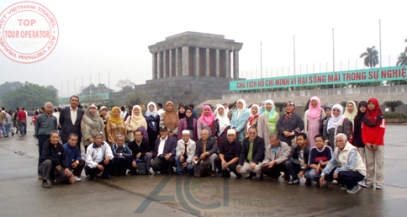
Ms. Barbara Betts - Escorted guide from Australia said: " Dear Kelvin I want to take this opportunity to thanks you for providing us with superb guides in Vietnam and Cambodia. Well, Manh - tour guide in Vietnam is very professional and knowledegable and you can feel very safe in allowing him to guide your tours. The drivers you provided were also friendly, capable and they too did everything for the group to be happy Thanks you Kelvin so far for a fabulous tour.
Mr. Dany
Malaysia | 10/13/2014
Teachers Group From Malaysia ( Hanoi – Halong bay – Ninh Binh 6 Days )
Mr. Dany - Escorted guide from Malaysia said: " Hi Kelvin Pham, Thanks for arranging a great trip. I wanted to let you know how pleased we were with the itinerary and all the arrangements you organized. Everything worked extremely well and went exactly as planned. The guides were very knowledgable. My favorite site was cruising on the Halong bay. The hotels were great as they were located at the heart of city. We did enjoy eating at the local restaurants as arranged by ACT. The foods were sometimes unusual, but still tasty. I loved “Pho Hanoi“ very much and I would try to cook at my home… Thanks again
Mr. Ohad
Turkey | 10/13/2014
Istmaz Group from Turkey (Saigon - Mekong Delta - Cambodia - Angkor Wat 12 Days).
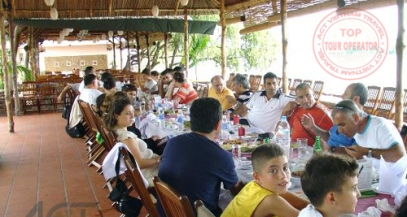
Mr. Ohad - The Tour Leader said: " On behalf of the entire group, I just wanted to thank both of you for all your help and outstanding execution in making our trip memorable! The entire group could not say enough great things about how well organized & smooth everything went. I really enjoyed Vietnam & Travel. Both tour guides were terrific and Angkor Wat was just amazing! All your arrangements worked out very smoothly and I consider the pilgrimage to be a great success ".
Mr. Steven
United Kingdom | 10/13/2014
Ponila Group from UK (Higlight of Vietnam 16 Days).
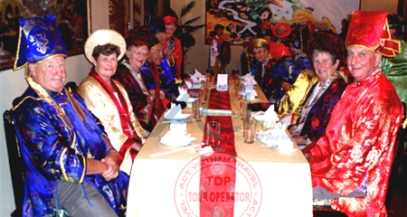
Mr. Steven - Escorted guide from UK said: Our trip to Vietnam was overall a positive one. We were very happy with the level of accommodation and quality of the food at all times. We love Hanoi but Ha Long Bay is certainly one of the most beautiful places we have ever seen; the old city in Hoi An has great potential becoming a world-class tourist attraction; and citadel in Hue embodies a great deal of historic signifance, we have a lot of photos in Hue. Cruising on Mekong Delta river was so interesting and Dalat highland was very romantic. Finally, please give our thanks to the tour guides Mrs Phuong, Mr Ky and the drivers who accompanied us throughout, always accommodating to the group's requests and last minute changes in itinerary. We won't forget you!
Mr. Barrick
United States | 10/13/2014
Global Alliane Group From USA (Discover Vietnam – Cambodia 10 Days)
Mr. Barrick - the Tour Leader said: " Dear ACT Team,This is to thank you, and all of those who organised and guided our visit to Vietnam & Cambodia, for a superb holiday. We had a trip of a life time. Everything we were promised happened and more. We brought back so many memories and stories. The restaurants were wonderful and the hotels were great. Mr Nguyen had such a lot of knowledge he shared with us, and had a great sense of humor. He even knew of some Cambodian slang words. The whole trip will be something we will always remember and share with our family and friends. Thanks for all your help in making it so enjoyable. We shall tell all our friends traveling to Indochina that they must use ACT Travel's services !! ".
Partner





ACT VIETNAM TRAVEL
No 3, Alley 25, Dich Vong Hau Str, Cau Giay Dist, Hanoi Capital, Vietnam
sales@vietnamtraveland.com - jimy@vietnamtraveland.com - vip@vietnamtraveland.com
License: 01-639/2015/CDLQGVN-GPLHQT
Company
Term of use
Payment Methods


