

North or South Vietnam: Where Should You Go First?
Content []
North or South Vietnam: Where Should You Go First?
North vs South Vietnam: What’s the Main Difference?
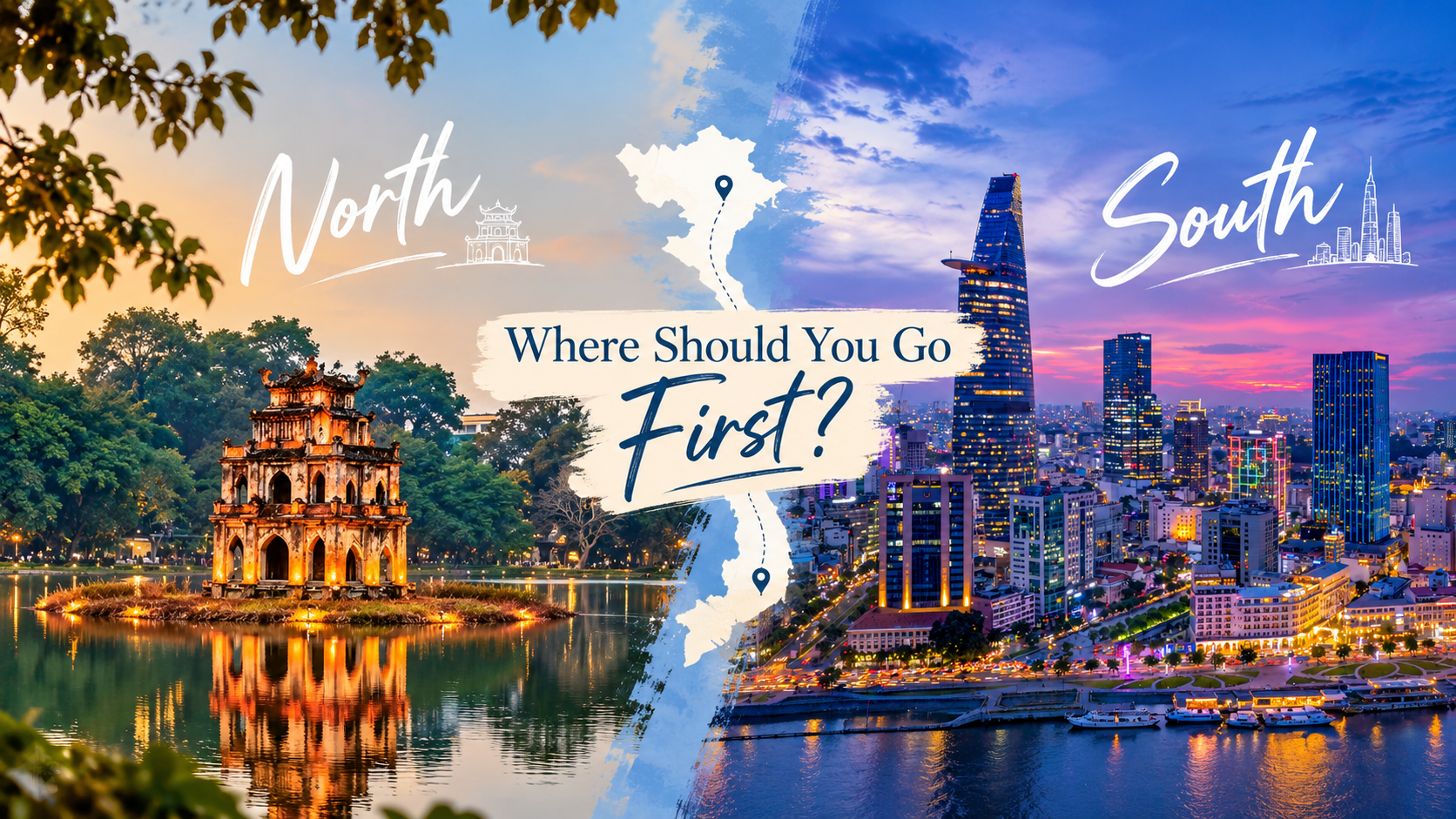
Belonging to the same country, Northern Vietnam and Southern Vietnam can feel surprisingly different to first-time tourists. Geography, climate, history, cuisine, and local lifestyles have all shaped each region in their own way, which means choosing where to begin is about much more than simply picking between Hanoi and Ho Chi Minh City.
Northern Vietnam is home to the capital Hanoi and some of the country’s most dramatic landscapes, from the limestone karsts of Ha Long Bay and Ninh Binh to the mountains and rice terraces of Sapa and Ha Giang. The region is also closely associated with Vietnam’s long history, with ancient temples, traditional villages, historic neighborhoods, and cultural landmarks appearing throughout many popular itineraries.
Southern Vietnam, meanwhile, offers a distinctly tropical atmosphere. Ho Chi Minh City brings together busy streets, modern entertainment, historical landmarks, and a lively food scene, while the Mekong Delta reveals a slower side of the region shaped by rivers, orchards, and local communities. Head farther south and islands such as Phu Quoc add beaches and resort stays to the experience.
So when comparing North Vietnam vs South Vietnam, there is no region that is simply “better.” The better choice depends on what you want from your trip, when you plan to visit, and the experiences you value most. The differences become much clearer once you compare the two regions by weather, culture, and travel style.
Weather in North vs South Vietnam: When Is the Best Time to Visit?
Northern Vietnam has four recognizable seasons, although conditions vary considerably between Hanoi, the lowlands, and mountainous destinations such as Sapa and Ha Giang. Winter can bring temperatures below 10°C in the mountains, with frost and occasional snow at the highest elevations, while summer temperatures in the lowlands can approach 40°C during intense heat waves.
- Summer (June–September): Expect hot, humid conditions with temperatures often above 30°C. Heavy showers and thunderstorms are common, while prolonged rainfall can increase the risk of flash floods and landslides in mountainous areas.
- Winter (December–March): Northern Vietnam becomes much cooler, with temperatures commonly around 10–20°C in Hanoi and significantly colder conditions at higher elevations. Cloudy skies, drizzle, and damp weather are also common during parts of the season.
- Spring and autumn: These transitional seasons generally bring milder temperatures, making outdoor sightseeing more comfortable. Autumn in particular is a popular time for Hanoi, Ninh Binh, Ha Giang, and other northern destinations.
For many tourists, October to April offers some of the most comfortable conditions for exploring Northern Vietnam. However, the best month still depends on where you are going, especially if trekking or mountain scenery is a priority.
Southern Vietnam has a tropical climate, with warm temperatures throughout the year and an annual average of roughly 27°C in many lowland areas. Instead of four distinct seasons, the region is generally divided into a rainy season and a dry season.
- Rainy season (around May–November): The weather remains hot and humid, with frequent tropical showers and thunderstorms. Rain can be intense, but many showers are relatively short, meaning a rainy-season trip does not necessarily involve an entire day of rain.
- Dry season (around December–April): Sunny skies, lower rainfall, and generally pleasant conditions make this the most popular period for exploring Ho Chi Minh City, the Mekong Delta, and southern islands.
For most tourists, November to April is one of the best periods to visit Southern Vietnam, particularly if you want to combine city sightseeing with beaches and island escapes.
So, when comparing the weather in North Vietnam vs South Vietnam, the South is generally the easier choice if you want consistently warm, tropical weather, while the North offers much greater seasonal variety. If your Vietnam itinerary falls between late autumn and early spring, however, both regions can offer excellent conditions, making it an ideal period to experience more than one side of the country.
People and Culture in North vs South Vietnam: What Feels Different?
Beyond landscapes and weather, one of the most fascinating differences between North Vietnam vs South Vietnam is the way history, local traditions, food, and everyday life have developed across the two regions. These differences are not strict rules, and personalities naturally vary from person to person, but first-time tourists may notice a different atmosphere as they travel from north to south.
Northern Vietnam: Traditional and Deeply Rooted in History
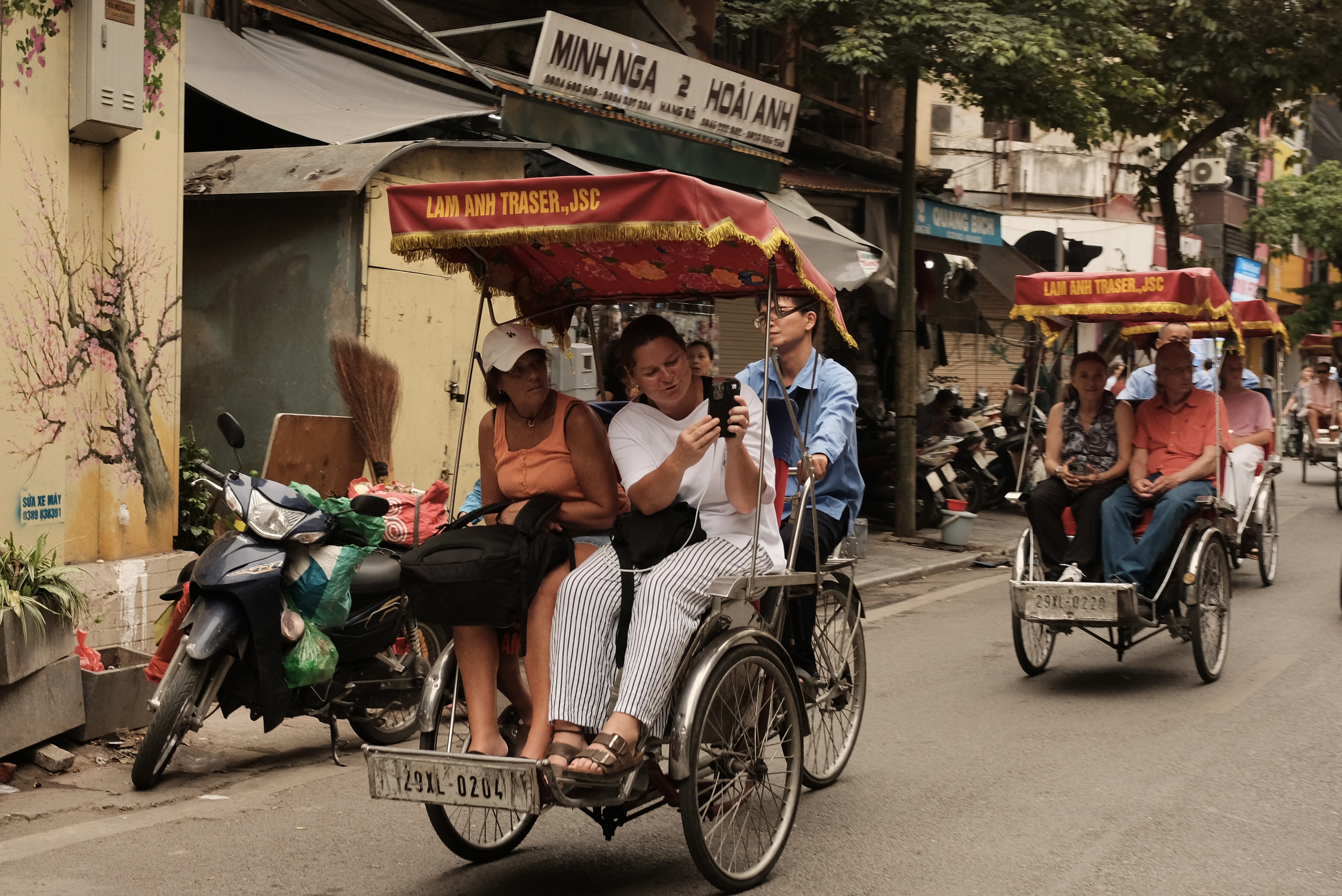
Northern Vietnam is often associated with a more traditional atmosphere, shaped by centuries of Vietnamese history and the influence of Hanoi as the country’s political and cultural center. Historic temples, communal houses, ancient villages, museums, and old neighborhoods remain an important part of the experience here. In everyday interactions, tourists may also find social manners somewhat more reserved or formal, particularly compared with the relaxed conversational style often associated with the South.
Food offers another window into Northern culture. Northern Vietnamese cuisine generally favors balanced, delicate flavors with less sweetness and a greater emphasis on the natural taste of the ingredients. Family meals are traditionally served family-style, with several shared dishes placed at the center of the table alongside individual bowls of rice, and chopsticks remain the main utensil for most dishes.
Southern Vietnam: Energetic, Open and Relaxed
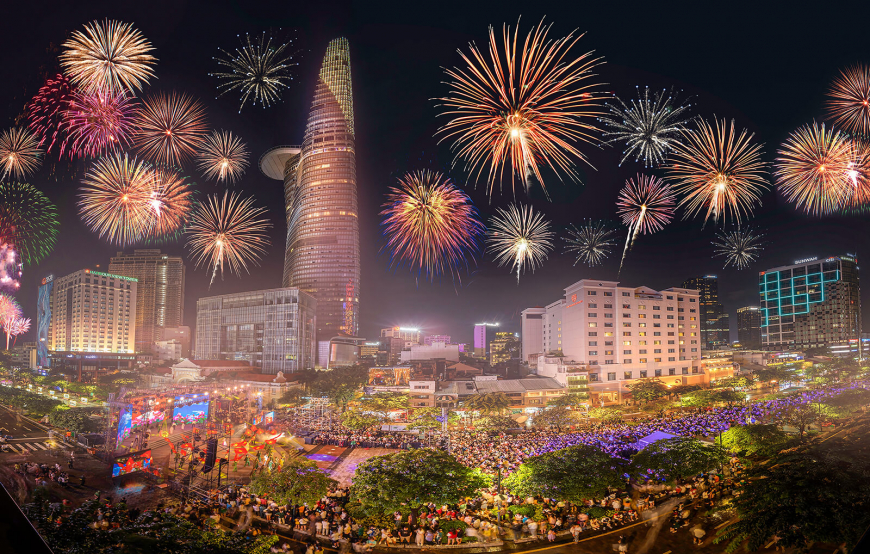
Southern Vietnam often feels more energetic and informal, particularly in Ho Chi Minh City, where modern city life, international influences, street culture, and entertainment all mix together. Social interactions may feel more casual and expressive, while the overall lifestyle is often perceived as more relaxed and spontaneous. Outside the city, places such as the Mekong Delta reveal another side of Southern culture, where everyday life remains closely connected to rivers, agriculture, local markets, and community traditions.
Southern cuisine reflects this regional personality in its own way. Flavors tend to be bolder and often sweeter than in the North, with sweet, sour, spicy, and savory elements appearing together in many dishes. Fresh herbs and vegetables are particularly abundant, while casual rice meals are commonly served on plates and may be eaten with both chopsticks and a spoon.
Neither experience represents a single definition of Vietnamese culture. Instead, traveling through Northern Vietnam and Southern Vietnam reveals how diverse the country can be, from differences in flavors and dining habits to the rhythm of everyday conversations. For first-time tourists wondering where to go in Vietnam, these contrasts are part of what makes choosing between the North and South so interesting.
Travel Styles in North vs South Vietnam: Which Region Fits You Better?
When choosing North or South Vietnam first, think less about which region has more famous attractions and more about how you actually like to travel. Northern Vietnam generally suits scenic journeys, cultural exploration, history, and outdoor adventures, while Southern Vietnam combines energetic city life with river landscapes, diverse food, and tropical escapes.
Northern Vietnam is a strong choice if your ideal trip involves mountains, dramatic landscapes, historic sites, and plenty of time outdoors. Hanoi provides a cultural starting point with its Old Quarter, temples, museums, and traditional neighborhoods, while Ninh Binh, Ha Long Bay, Lan Ha Bay, Sapa, and Ha Giang reveal some of the country’s most impressive natural scenery. The region is particularly appealing to tourists who enjoy trekking, photography, road trips, local culture, and slower journeys through the countryside. You can hike between mountain communities, cruise among limestone islands, explore historic streets, or spend several days traveling through spectacular mountain landscapes.

If you have more time, a Northern Vietnam journey can also be connected with Central Vietnam to create a longer Vietnam itinerary focused on nature, heritage, and exploration. With around 15–25 days, for example, you could travel from Da Nang and Hoi An through Hue and Phong Nha before continuing north to Ninh Binh, Hanoi, Ha Long Bay, and Sapa. Rather than rushing between individual attractions, this route allows the landscapes and cultural experiences to change gradually as you move north.
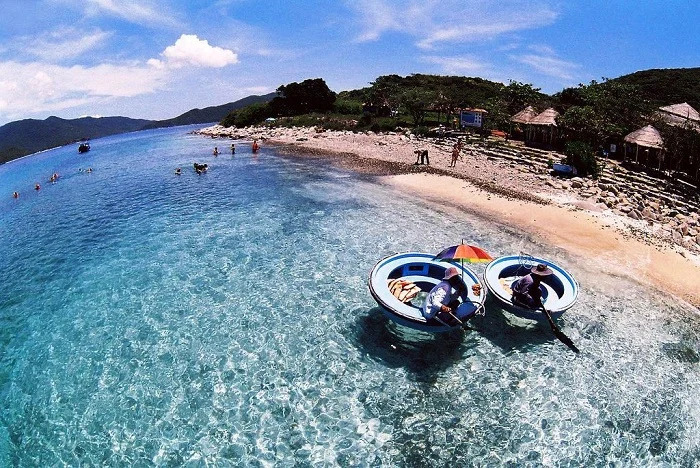
Southern Vietnam, on the other hand, may suit you better if you enjoy lively cities, food, nightlife, tropical landscapes, and more relaxed days by the water. Ho Chi Minh City sits at the heart of the experience, combining modern urban life with markets, restaurants, cafés, entertainment, and historic landmarks. From there, you can explore the Cu Chi Tunnels, travel through the waterways and communities of the Mekong Delta, or slow things down on the beaches of Phu Quoc. Compared with the mountain-focused adventures of the North, a southern journey can feel more tropical and easily combine busy sightseeing days with time to relax.
For tourists with around 12–20 days, the South can also serve as the beginning of a longer journey into Central Vietnam. A route from Ho Chi Minh City through the Mekong Delta and Phu Quoc before continuing to Mui Ne, Da Lat, Nha Trang, and eventually Da Nang or Hoi An creates a varied trip combining city life, rivers, beaches, highlands, and historic towns.
Ultimately, the North Vietnam vs. South Vietnam decision comes down to your travel personality. If mountains, heritage, trekking, and dramatic scenery are at the top of your list, start in the North. If you are more excited by street food, buzzing cities, tropical landscapes, river life, and beach escapes, the South may be the better place to begin.
Tips for Choosing Between North and South Vietnam
If your time is limited, do not feel pressured to squeeze both North and South Vietnam into the same trip. Exploring the country comprehensively from south to north can easily take five weeks or more, especially if you want enough time for cities, countryside, mountains, beaches, and smaller destinations along the way. For a shorter Vietnam itinerary, focusing on one region often creates a much more enjoyable experience than constantly packing, checking out, and spending hours in transit.
The time of year should also influence your decision. November to March is generally one of the easiest periods to travel across both Northern and Southern Vietnam, although conditions can still vary considerably between destinations. Southern Vietnam is typically in its drier season, while the North experiences cooler weather that can be comfortable for sightseeing, though mountain areas can become surprisingly cold. Always check the conditions for your specific destinations rather than relying on one forecast for the entire region.
Most importantly, choose according to your travel style. If you are drawn to mountains, trekking, heritage, and dramatic landscapes, Northern Vietnam may be the better place to begin. If lively cities, tropical weather, river life, food, and relaxing escapes sound more like your kind of holiday, Southern Vietnam may suit you better. There is no wrong answer to the question of North or South Vietnam first. Whichever direction you choose, both regions offer enough food, culture, landscapes, and everyday surprises to make a first visit memorable.
And if choosing where to go in Vietnam still feels like trying to pick one dish from a very long menu, ACT Travel can make the decision easier. Whether you want to explore the mountains of the North, experience the energy of the South, or eventually connect both into one journey, ACT Travel can help create a personalized itinerary around your interests, travel time, and preferred pace, so your Vietnam adventure feels like your own from the very beginning.
Read this next


Travel Green for Earthday 2025

Quick Contact
Reviews from Customers
Please take a look at the following reviews from our customers

Mr Clarence- Travel President, Philippines
Vietnam | 01/14/2026
Luxury Golf Tour in Da Nang, 5days
Hi Jimy, We returned home safely today. I would like to say a special thanks to you and your team ACT TRAVEL. We really loved and satisfied with your pro services. We do love these golf courses in Da Nang. They were amazing and fantastic quality and view. We will come back here soon. I am looking foward to working together with you soon! Best regards, Mr Clarence- Travel President, Philippines
Mr. Jean Pie
United Kingdom | 10/13/2014
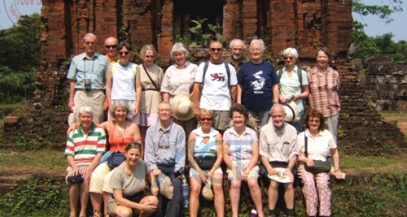
RAM Holidays from UK (Impressive of Vietnam 15 days)
Mr. Jean Pie – Tour Leader said “Thank you very much for doing such an excellent job on the tour. You went above and beyond for all of us and we really appreciate all your hard work. Thank you for your calm leadership through the “HAIYAN” storm, you really help us through it. Thanks to ACT Travel, we had a wonderful time and unforgettable memory”.
Mr. Navy Vang
Australia | 10/13/2014
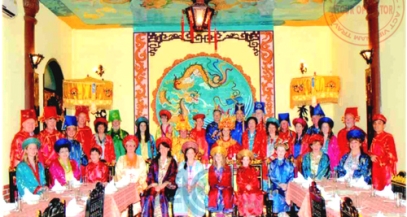
Mandarin Group from Australia (Charming Vietnam 10 Days)
Mr. Navy Vang - Tour manager from Australia said: " Wow what a great vacation !. Thank you Mr Kelvin Pham so much. We are very grateful for everything you did for us and everything went very well. We’re safe and sound back home thinking about the joy we experienced. I've already decided that when I choose to travel again, I will go through your company. I also highly recommend ACT Travel Travel to any organization looking for a great agency. Kind regards
Mr. Ricardo - Program Manager
Brazil | 03/31/2014
DOMINGOS Group from Brazin (IMPRESSIVE VIETNAM 17 DAYS.)
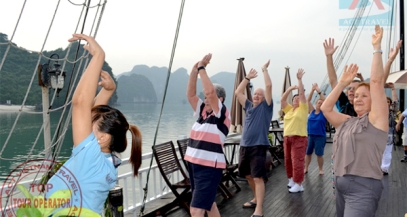
Mr. Ricardo - Program Manager said “Dear Kelvin, Thanks you very much for your well arrangement. Thank you for the updated weather information. I have traveled a lot as a geography professor and dealt with many tour operators. You are one of the best tour operators who can take so much concern and care about customers. I must congratulate you on your good organization and care to minute points. Thanks for the mobile phone you provided to us and SIM cards you provide to all of us (29 cards, I know they are not cheap), it was an excellent convenience for us. It was a brilliant idea and we really appreciated knowing there was someone we could contact at any time should we need to. We love your welcome dinner at Binh Quoi village, where we enjoyed rich traditional southern Vietnamese cuisine with musical accompaniment provided by local folk musicians. We were very interested in the traditional Vietnamese wedding in Binh Quoi and we never forget the “Gong show” in Buon Me Thuot. Once again, thank you very much for great job”.

Ms. Barbara Betts
Australia | 10/13/2014
Orbiz Group from Australia (Discover Vietnam and Cambodia 15 Days)
Ms. Barbara Betts - Escorted guide from Australia said: " Dear Kelvin I want to take this opportunity to thanks you for providing us with superb guides in Vietnam and Cambodia. Well, Manh - tour guide in Vietnam is very professional and knowledegable and you can feel very safe in allowing him to guide your tours. The drivers you provided were also friendly, capable and they too did everything for the group to be happy Thanks you Kelvin so far for a fabulous tour.
Mr. Dany
Malaysia | 10/13/2014
Teachers Group From Malaysia ( Hanoi – Halong bay – Ninh Binh 6 Days )
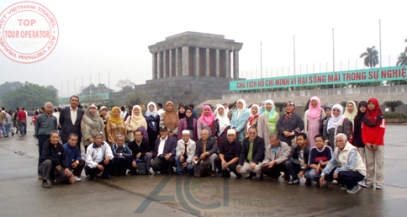
Mr. Dany - Escorted guide from Malaysia said: " Hi Kelvin Pham, Thanks for arranging a great trip. I wanted to let you know how pleased we were with the itinerary and all the arrangements you organized. Everything worked extremely well and went exactly as planned. The guides were very knowledgable. My favorite site was cruising on the Halong bay. The hotels were great as they were located at the heart of city. We did enjoy eating at the local restaurants as arranged by ACT. The foods were sometimes unusual, but still tasty. I loved “Pho Hanoi“ very much and I would try to cook at my home… Thanks again
Mr. Ohad
Turkey | 10/13/2014
Istmaz Group from Turkey (Saigon - Mekong Delta - Cambodia - Angkor Wat 12 Days).
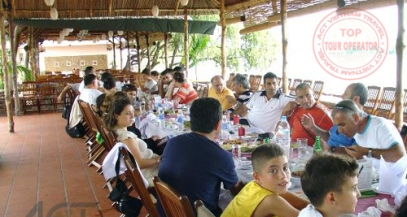
Mr. Ohad - The Tour Leader said: " On behalf of the entire group, I just wanted to thank both of you for all your help and outstanding execution in making our trip memorable! The entire group could not say enough great things about how well organized & smooth everything went. I really enjoyed Vietnam & Travel. Both tour guides were terrific and Angkor Wat was just amazing! All your arrangements worked out very smoothly and I consider the pilgrimage to be a great success ".
Mr. Steven
United Kingdom | 10/13/2014
Ponila Group from UK (Higlight of Vietnam 16 Days).
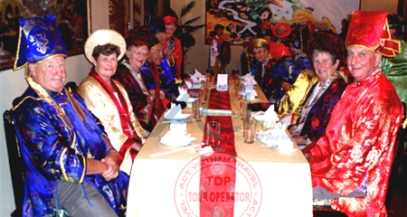
Mr. Steven - Escorted guide from UK said: Our trip to Vietnam was overall a positive one. We were very happy with the level of accommodation and quality of the food at all times. We love Hanoi but Ha Long Bay is certainly one of the most beautiful places we have ever seen; the old city in Hoi An has great potential becoming a world-class tourist attraction; and citadel in Hue embodies a great deal of historic signifance, we have a lot of photos in Hue. Cruising on Mekong Delta river was so interesting and Dalat highland was very romantic. Finally, please give our thanks to the tour guides Mrs Phuong, Mr Ky and the drivers who accompanied us throughout, always accommodating to the group's requests and last minute changes in itinerary. We won't forget you!
Mr. Barrick
United States | 10/13/2014
Global Alliane Group From USA (Discover Vietnam – Cambodia 10 Days)
Mr. Barrick - the Tour Leader said: " Dear ACT Team,This is to thank you, and all of those who organised and guided our visit to Vietnam & Cambodia, for a superb holiday. We had a trip of a life time. Everything we were promised happened and more. We brought back so many memories and stories. The restaurants were wonderful and the hotels were great. Mr Nguyen had such a lot of knowledge he shared with us, and had a great sense of humor. He even knew of some Cambodian slang words. The whole trip will be something we will always remember and share with our family and friends. Thanks for all your help in making it so enjoyable. We shall tell all our friends traveling to Indochina that they must use ACT Travel's services !! ".
Partner





ACT VIETNAM TRAVEL
No 3, Alley 25, Dich Vong Hau Str, Cau Giay Dist, Hanoi Capital, Vietnam
sales@vietnamtraveland.com - jimy@vietnamtraveland.com - vip@vietnamtraveland.com
License: 01-639/2015/CDLQGVN-GPLHQT
Company
Term of use
Payment Methods


