

Best Time to Visit Vietnam: A Month-by-Month Travel Guide (P2)
Content []
Best Time to Visit Vietnam: A Month-by-Month Travel Guide
Vietnam in July: Peak Beach Season in Central Vietnam
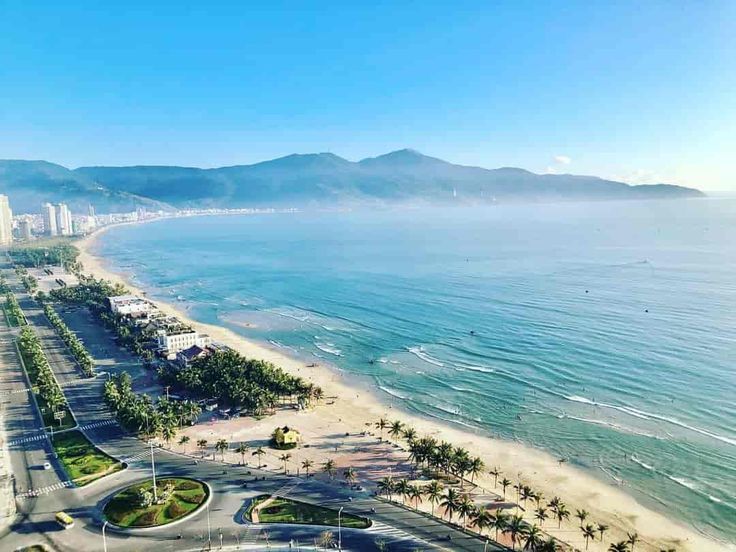
July is the heart of summer in Vietnam, bringing hot temperatures and a clear contrast between the country’s regions. Northern Vietnam is typically hot, humid, and rainy, while Southern Vietnam experiences frequent tropical showers during the wet season. Along the Central Coast, however, July often brings plenty of sunshine and warm sea temperatures, making it one of the best times of the year for a beach-focused holiday.
Nha Trang is a top choice in July, with sunny weather perfect for swimming, snorkeling, diving, and island hopping. Da Nang also offers long stretches of sandy beach alongside attractions such as the Marble Mountains and Son Tra Peninsula, while nearby Hoi An makes it easy to combine beach days with heritage, food, and countryside experiences. For tourists looking for a quieter coastal escape, Quy Nhon offers beautiful beaches and a more relaxed atmosphere away from Vietnam’s busiest tourist hubs.
Recommended destinations: Nha Trang, Da Nang, Hoi An, Quy Nhon.
Vietnam in August: Green Landscapes and the Start of Rice Season
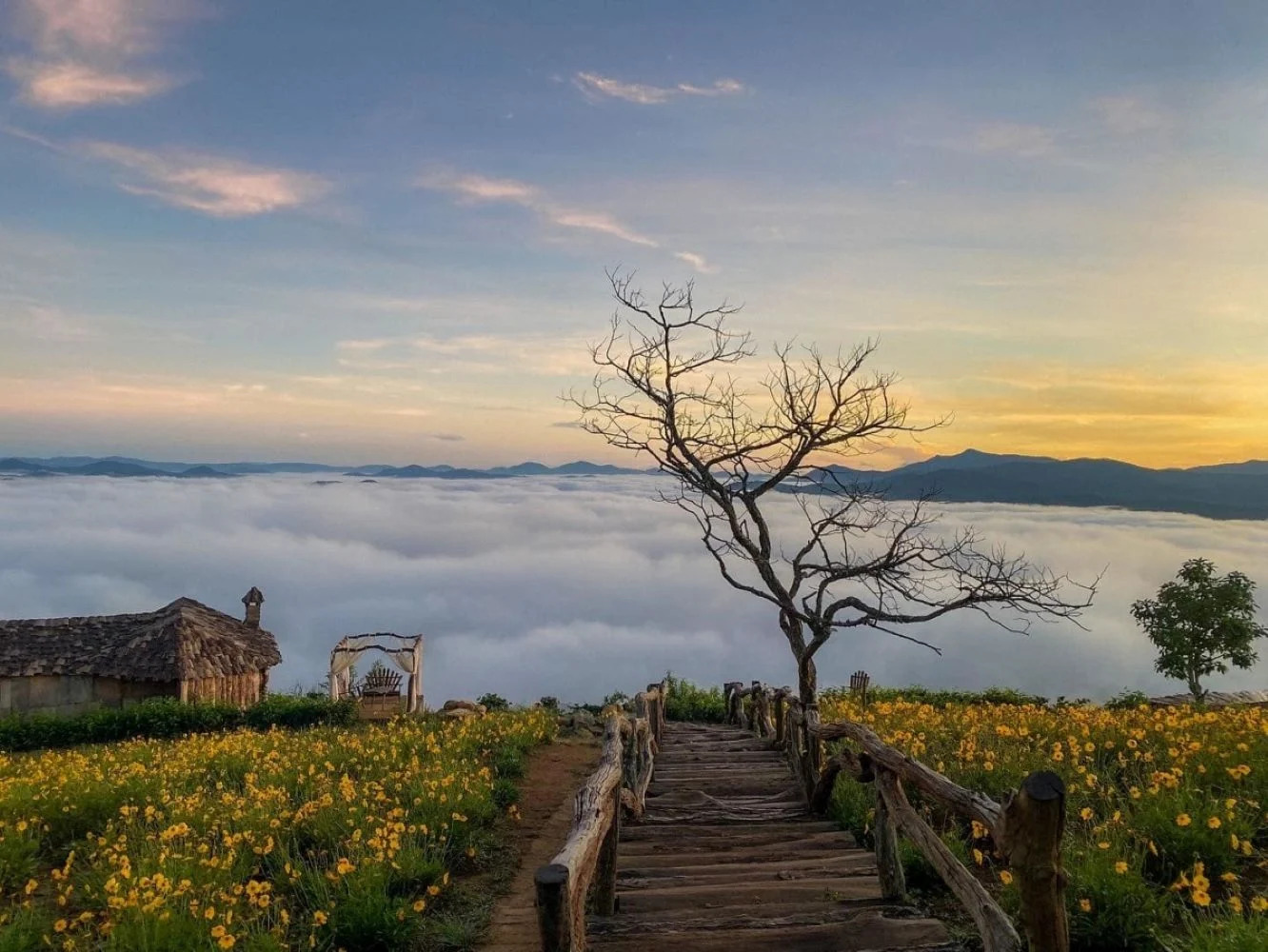
August brings lush scenery across Vietnam as summer rainfall transforms mountains, valleys, and rice fields into vibrant shades of green. Northern Vietnam remains hot, humid, and rainy, but this is also when the famous rice terraces in mountainous areas begin their transition toward the golden harvest season. Central Vietnam can still offer sunny beach days, although rainfall gradually increases in some areas toward the end of the month, while Southern Vietnam continues its wet season with frequent but often short tropical showers.
For nature lovers and photographers, Sapa and Mu Cang Chai are especially beautiful in August, when terraced rice fields cover the hillsides in rich green and gradually begin turning golden. Tourists looking for a coastal holiday can still consider Nha Trang, while Da Lat offers cooler temperatures, misty landscapes, and a refreshing contrast to the summer heat elsewhere. Since August falls within Vietnam’s rainy and typhoon season, keeping travel plans flexible and checking weather forecasts before mountain or coastal trips is recommended.
Recommended destinations: Sapa, Mu Cang Chai, Nha Trang, Da Lat.
Vietnam in September: Autumn Arrives in Northern Vietnam
September marks the beginning of one of the most beautiful seasons in Northern Vietnam, as the intense summer heat gradually gives way to cooler and more comfortable days. Hanoi begins to welcome its famous autumn atmosphere, with softer sunshine, cooler mornings, and pleasant conditions for walking around the city. In the northern mountains, rice terraces start turning from green to brilliant gold as the harvest season approaches. Meanwhile, Central Vietnam begins entering its wetter period, while Southern Vietnam remains in the rainy season with regular tropical showers.
For spectacular seasonal scenery, Mu Cang Chai and Sapa are among the best destinations in September, especially when their terraced rice fields turn golden before harvest. Hanoi is another highlight, where tourists can enjoy the cooler weather, stroll through the Old Quarter, and sample seasonal specialties such as com (young green rice). Ha Giang is also worth considering for mountain landscapes and scenic road trips, although weather conditions should always be checked before traveling through mountainous areas.
Recommended destinations: Hanoi, Mu Cang Chai, Sapa, Ha Giang.
.jpeg)
Vietnam in October: Cool Weather and Northern Adventures
October is one of the most rewarding months to explore Northern Vietnam, as temperatures become cooler, humidity drops, and the landscape settles into pleasant autumn weather. Hanoi and the surrounding northern regions generally offer comfortable conditions for sightseeing and outdoor activities, while mountainous areas are particularly attractive for trekking and scenic road trips. In contrast, Central Vietnam is often in its rainy season and may experience heavy rainfall or storms, while Southern Vietnam remains warm and wet but gradually moves closer to the dry season.
For outdoor adventures, Ha Giang is a highlight in October, with dramatic mountain roads, impressive karst landscapes, and cooler temperatures for exploring the highlands. Pu Luong is another excellent option, offering peaceful valleys, rice terraces, and trekking routes surrounded by nature. Tourists can also enjoy the autumn atmosphere in Hanoi, take a boat trip through the limestone scenery of Ninh Binh, or visit Ha Long Bay when weather conditions are favorable.
Recommended destinations: Ha Giang, Pu Luong, Hanoi, Ninh Binh, Ha Long Bay.
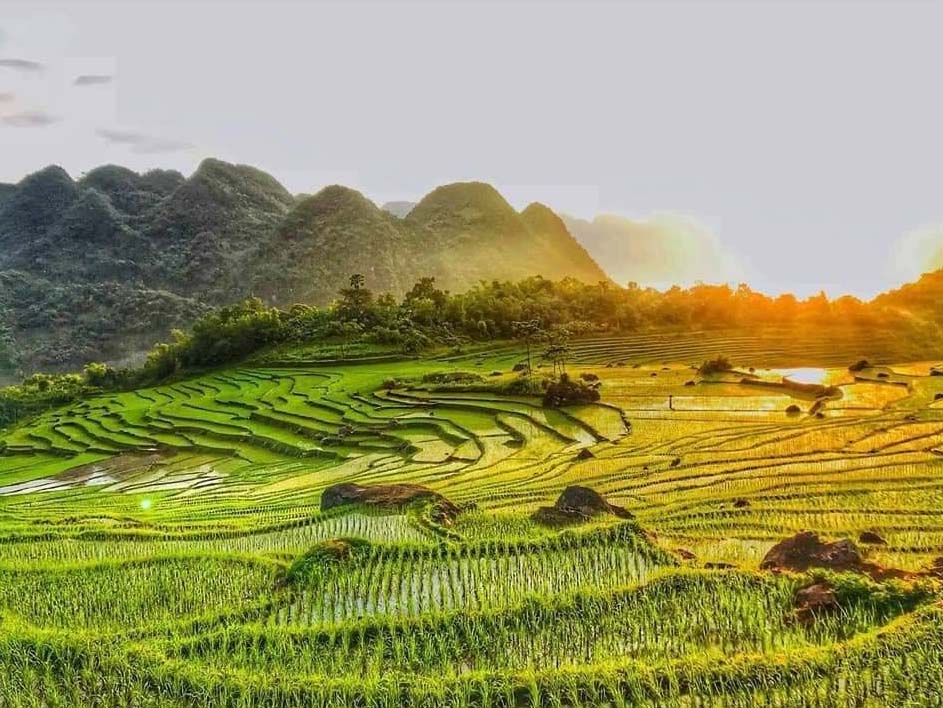
Vietnam in November: Mountains, Flowers and Cooler Days
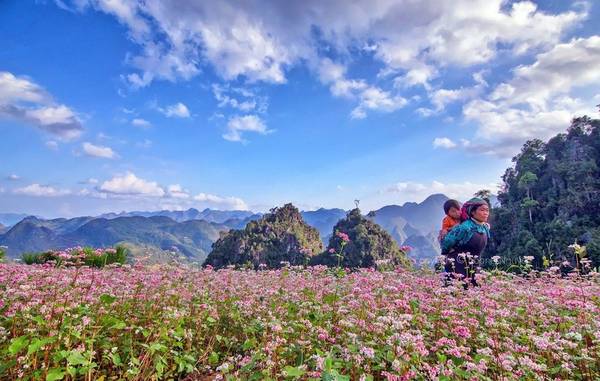
November brings cooler temperatures and drier conditions to much of Northern Vietnam, making it an excellent month for exploring both cities and mountainous regions. Hanoi and Ha Long Bay usually enjoy comfortable autumn weather, while the northern highlands become cooler, especially in the early morning and evening. Central Vietnam can still experience significant rainfall and occasional storms, whereas Southern Vietnam begins transitioning into its dry season, with rainfall gradually decreasing toward the end of the month.
In the far north, Ha Giang becomes especially attractive as fields of pink and white buckwheat flowers add color to its dramatic mountain scenery. The Dong Van Karst Plateau is ideal for scenic road trips through mountain passes, valleys, and ethnic minority villages. For a gentler journey, tourists can explore Hanoi in the cooler weather, cruise through Ha Long Bay, or visit Ninh Binh for limestone landscapes, temples, and peaceful countryside.
Recommended destinations: Ha Giang, Dong Van Karst Plateau, Hanoi, Ha Long Bay, Ninh Binh.
Vietnam in December: Winter in the North, Tropical Escape in the South
December brings contrasting travel experiences across Vietnam, from chilly winter days in the north to warm tropical sunshine in the south. Northern Vietnam enters winter, with Hanoi becoming cooler and mountainous destinations such as Sapa and Ha Giang experiencing much lower temperatures, especially at night. Central Vietnam may still see rain in some areas, while Southern Vietnam enters its dry season, offering sunny days, lower humidity, and comfortable conditions for outdoor activities.
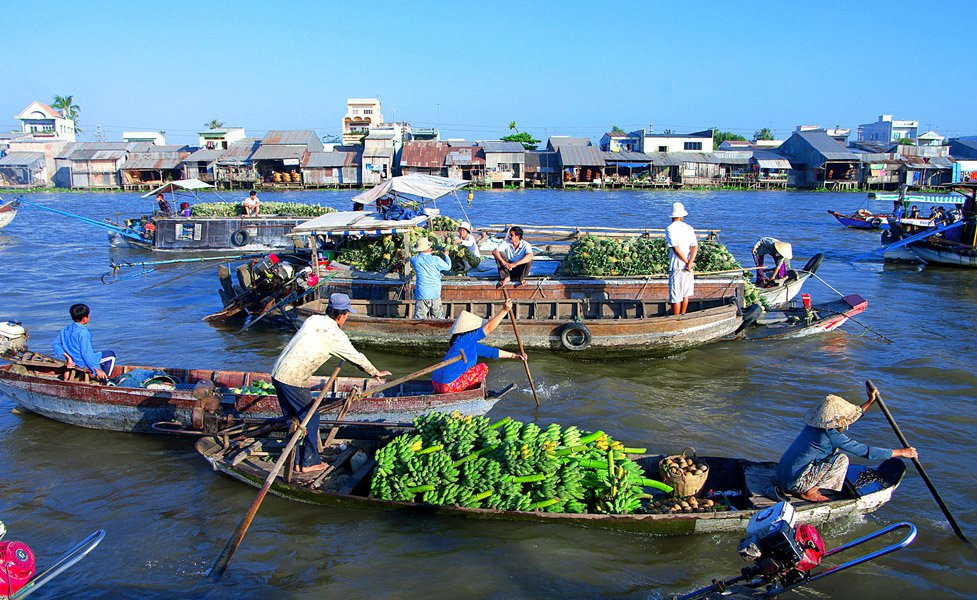
For tourists seeking winter atmosphere, Hanoi is perfect for exploring the Old Quarter, enjoying steaming bowls of pho, and experiencing the city in cooler weather. Sapa and Ha Giang offer dramatic mountain scenery for those prepared for colder temperatures. If sunshine and beaches sound more appealing, head south to Phu Quoc, where December is one of the most attractive months for swimming, snorkeling, and island hopping. Ho Chi Minh City and the Mekong Delta are also excellent choices for escaping the northern winter and exploring Southern Vietnam under generally dry, sunny skies.
Recommended destinations: Hanoi, Sapa, Ha Giang, Phu Quoc, Ho Chi Minh City, Mekong Delta.
So, What Is the Best Time to Visit Vietnam?
There is no single best time to visit Vietnam, and that is part of what makes the country such a rewarding year-round destination. From spring adventures across the country and sunny summer escapes along the central coast to golden rice terraces in the north and tropical winter beaches in the south, every month offers something different. The key is simply matching your travel dates with the right destinations.
If you are still unsure when or where to go, ACT Travel Agent can help you design a tailor-made Vietnam itinerary based on the season, your travel style, and the experiences you want to enjoy. Whenever you choose to visit, there is always another side of Vietnam waiting to be discovered.
Read this next


Travel Green for Earthday 2025
Quick Contact
Reviews from Customers
Please take a look at the following reviews from our customers

Mr Clarence- Travel President, Philippines
Vietnam | 01/14/2026
Luxury Golf Tour in Da Nang, 5days
Hi Jimy, We returned home safely today. I would like to say a special thanks to you and your team ACT TRAVEL. We really loved and satisfied with your pro services. We do love these golf courses in Da Nang. They were amazing and fantastic quality and view. We will come back here soon. I am looking foward to working together with you soon! Best regards, Mr Clarence- Travel President, Philippines
Mr. Jean Pie
United Kingdom | 10/13/2014
RAM Holidays from UK (Impressive of Vietnam 15 days)
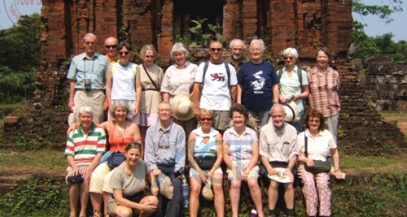
Mr. Jean Pie – Tour Leader said “Thank you very much for doing such an excellent job on the tour. You went above and beyond for all of us and we really appreciate all your hard work. Thank you for your calm leadership through the “HAIYAN” storm, you really help us through it. Thanks to ACT Travel, we had a wonderful time and unforgettable memory”.
Mr. Navy Vang
Australia | 10/13/2014
Mandarin Group from Australia (Charming Vietnam 10 Days)
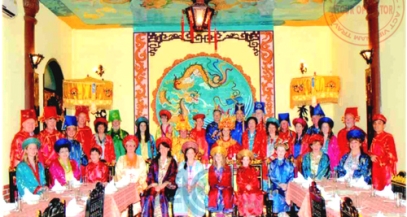
Mr. Navy Vang - Tour manager from Australia said: " Wow what a great vacation !. Thank you Mr Kelvin Pham so much. We are very grateful for everything you did for us and everything went very well. We’re safe and sound back home thinking about the joy we experienced. I've already decided that when I choose to travel again, I will go through your company. I also highly recommend ACT Travel Travel to any organization looking for a great agency. Kind regards
Mr. Ricardo - Program Manager
Brazil | 03/31/2014
DOMINGOS Group from Brazin (IMPRESSIVE VIETNAM 17 DAYS.)
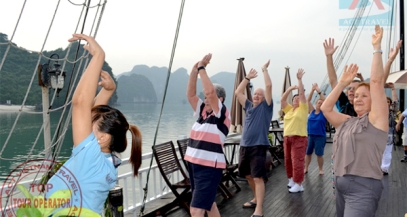
Mr. Ricardo - Program Manager said “Dear Kelvin, Thanks you very much for your well arrangement. Thank you for the updated weather information. I have traveled a lot as a geography professor and dealt with many tour operators. You are one of the best tour operators who can take so much concern and care about customers. I must congratulate you on your good organization and care to minute points. Thanks for the mobile phone you provided to us and SIM cards you provide to all of us (29 cards, I know they are not cheap), it was an excellent convenience for us. It was a brilliant idea and we really appreciated knowing there was someone we could contact at any time should we need to. We love your welcome dinner at Binh Quoi village, where we enjoyed rich traditional southern Vietnamese cuisine with musical accompaniment provided by local folk musicians. We were very interested in the traditional Vietnamese wedding in Binh Quoi and we never forget the “Gong show” in Buon Me Thuot. Once again, thank you very much for great job”.
Ms. Barbara Betts
Australia | 10/13/2014
Orbiz Group from Australia (Discover Vietnam and Cambodia 15 Days)
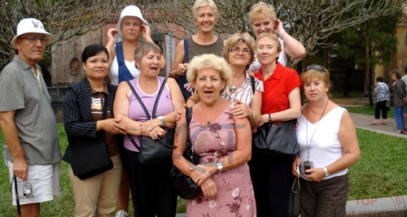
Ms. Barbara Betts - Escorted guide from Australia said: " Dear Kelvin I want to take this opportunity to thanks you for providing us with superb guides in Vietnam and Cambodia. Well, Manh - tour guide in Vietnam is very professional and knowledegable and you can feel very safe in allowing him to guide your tours. The drivers you provided were also friendly, capable and they too did everything for the group to be happy Thanks you Kelvin so far for a fabulous tour.
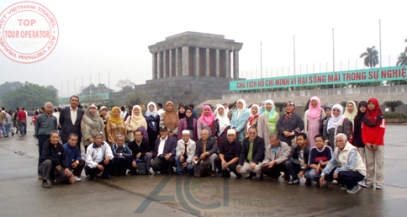
Mr. Dany
Malaysia | 10/13/2014
Teachers Group From Malaysia ( Hanoi – Halong bay – Ninh Binh 6 Days )
Mr. Dany - Escorted guide from Malaysia said: " Hi Kelvin Pham, Thanks for arranging a great trip. I wanted to let you know how pleased we were with the itinerary and all the arrangements you organized. Everything worked extremely well and went exactly as planned. The guides were very knowledgable. My favorite site was cruising on the Halong bay. The hotels were great as they were located at the heart of city. We did enjoy eating at the local restaurants as arranged by ACT. The foods were sometimes unusual, but still tasty. I loved “Pho Hanoi“ very much and I would try to cook at my home… Thanks again
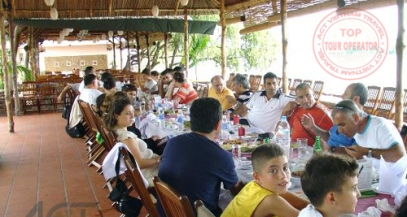
Mr. Ohad
Turkey | 10/13/2014
Istmaz Group from Turkey (Saigon - Mekong Delta - Cambodia - Angkor Wat 12 Days).
Mr. Ohad - The Tour Leader said: " On behalf of the entire group, I just wanted to thank both of you for all your help and outstanding execution in making our trip memorable! The entire group could not say enough great things about how well organized & smooth everything went. I really enjoyed Vietnam & Travel. Both tour guides were terrific and Angkor Wat was just amazing! All your arrangements worked out very smoothly and I consider the pilgrimage to be a great success ".
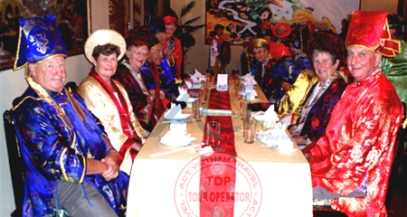
Mr. Steven
United Kingdom | 10/13/2014
Ponila Group from UK (Higlight of Vietnam 16 Days).
Mr. Steven - Escorted guide from UK said: Our trip to Vietnam was overall a positive one. We were very happy with the level of accommodation and quality of the food at all times. We love Hanoi but Ha Long Bay is certainly one of the most beautiful places we have ever seen; the old city in Hoi An has great potential becoming a world-class tourist attraction; and citadel in Hue embodies a great deal of historic signifance, we have a lot of photos in Hue. Cruising on Mekong Delta river was so interesting and Dalat highland was very romantic. Finally, please give our thanks to the tour guides Mrs Phuong, Mr Ky and the drivers who accompanied us throughout, always accommodating to the group's requests and last minute changes in itinerary. We won't forget you!
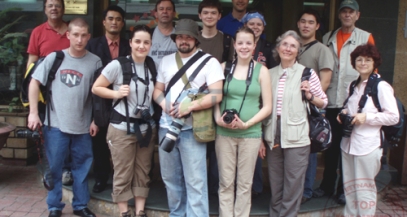
Mr. Barrick
United States | 10/13/2014
Global Alliane Group From USA (Discover Vietnam – Cambodia 10 Days)
Mr. Barrick - the Tour Leader said: " Dear ACT Team,This is to thank you, and all of those who organised and guided our visit to Vietnam & Cambodia, for a superb holiday. We had a trip of a life time. Everything we were promised happened and more. We brought back so many memories and stories. The restaurants were wonderful and the hotels were great. Mr Nguyen had such a lot of knowledge he shared with us, and had a great sense of humor. He even knew of some Cambodian slang words. The whole trip will be something we will always remember and share with our family and friends. Thanks for all your help in making it so enjoyable. We shall tell all our friends traveling to Indochina that they must use ACT Travel's services !! ".
Partner





ACT VIETNAM TRAVEL
No 3, Alley 25, Dich Vong Hau Str, Cau Giay Dist, Hanoi Capital, Vietnam
sales@vietnamtraveland.com - jimy@vietnamtraveland.com - vip@vietnamtraveland.com
License: 01-639/2015/CDLQGVN-GPLHQT
Company
Term of use
Payment Methods


