

First Trip to Vietnam: Things You Should Know
Content []
First Trip to Vietnam: Things You Should Know
Vietnam Weather: When to Go and What to Pack
One of the most important Vietnam travel tips for first-time tourists is to check the weather for each destination rather than treating the country as having one climate. Stretching more than 1,600 km from north to south, Vietnam can have surprisingly different weather conditions at the same time. Southern Vietnam stays warm and tropical for most of the year, while Northern Vietnam has more distinct seasons, including chilly winters, especially in Hanoi and mountainous areas such as Sapa and Ha Giang.
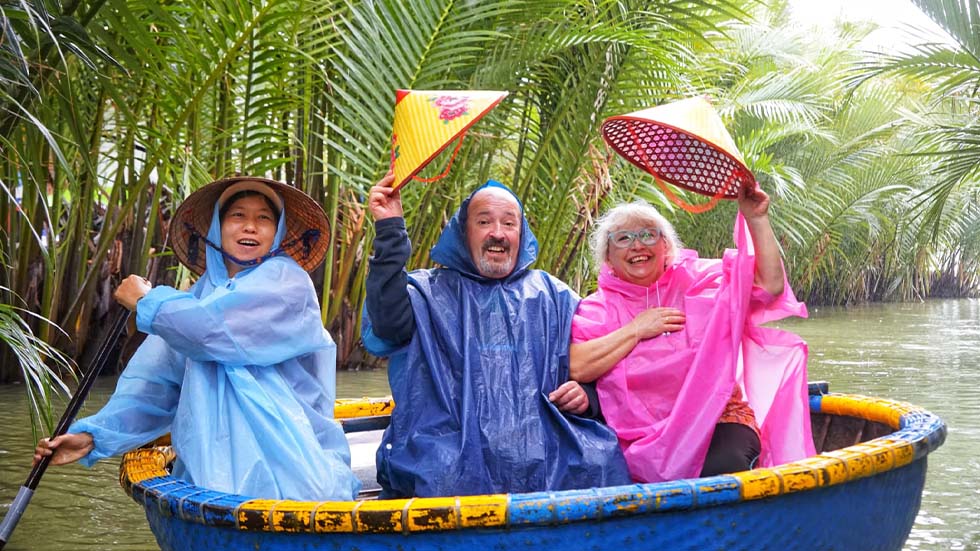
When packing for your first trip to Vietnam, prepare for both the region and the season. Lightweight, breathable clothing works well for most destinations, but a warm jacket or extra layers can be useful when visiting Northern Vietnam in winter. A compact umbrella, light raincoat, quick-drying clothes, and comfortable shoes are also worth keeping in your luggage, particularly during the rainy season.
Tourists should pay extra attention to weather forecasts during Vietnam’s typhoon season, which generally affects different parts of the country at different times. Heavy rain can cause flooding and landslides in mountainous destinations such as Ha Giang and Sapa, making some roads unsafe or temporarily inaccessible. Before heading into the mountains, check local weather conditions and be prepared to adjust your itinerary if severe weather is expected.
Getting Around Vietnam: Traffic and Transportation
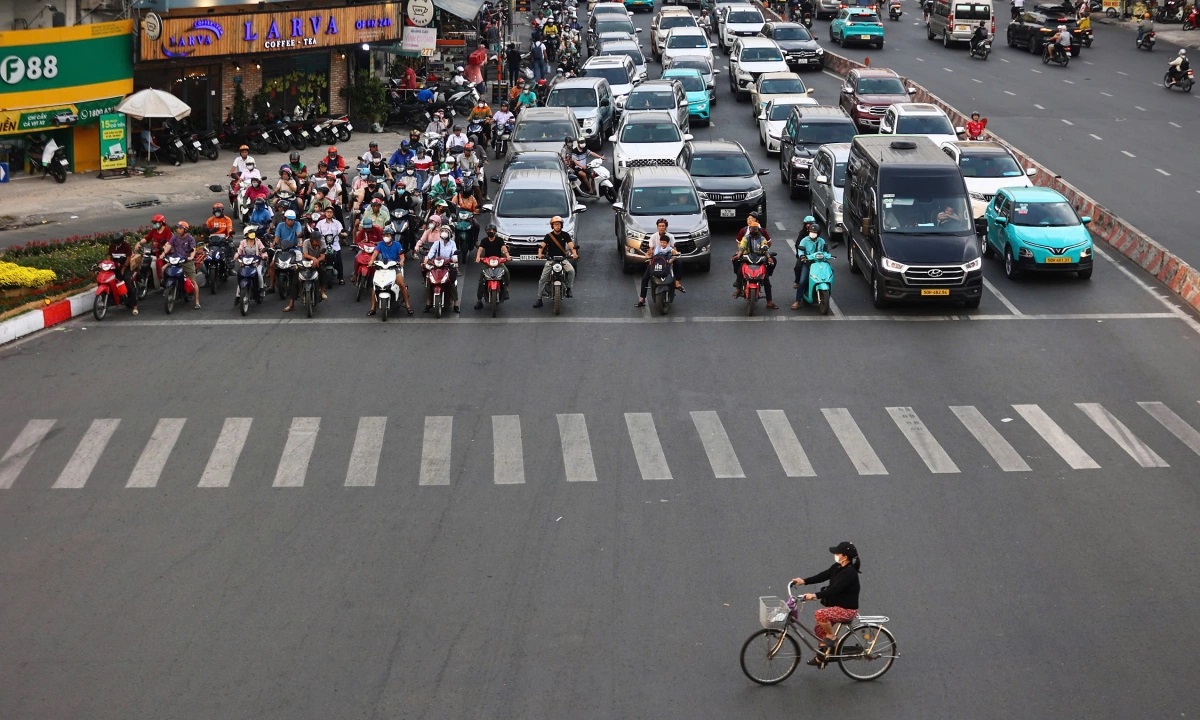
Traffic is often one of the biggest surprises on a first trip to Vietnam. Streets in major cities can look chaotic, with thousands of motorbikes weaving between cars, buses, bicycles, and pedestrians. Traffic patterns may feel unfamiliar to first-time tourists, so crossing busy streets or navigating on your own can take some getting used to. The key is to stay alert, move predictably, and avoid assuming that traffic will behave exactly as it does back home.
For everyday transportation, ride-hailing apps are among the easiest ways to get around Vietnam. Grab, be, and Xanh SM are widely used in major cities, allowing tourists to book motorbike or car rides and see the estimated fare before departure. Some services also offer features designed for international tourists, including options that make communicating with drivers easier. Using an app can also reduce the confusion of negotiating fares or explaining destinations in Vietnamese.
Public transportation is improving, but the network is not yet equally developed across the country. Hanoi and Ho Chi Minh City now have urban metro services alongside public buses, while smaller cities and tourist destinations may rely more heavily on taxis, ride-hailing services, or private transfers. For longer journeys, domestic flights, trains, and sleeper buses connect many major destinations, so choosing the right option will depend on your route, budget, and travel time.
Money Matters: Cash, Cards, and Shopping in Vietnam
Managing money is relatively easy on your first trip to Vietnam, especially in major cities and popular tourist destinations. International cards such as Visa are accepted at many hotels, restaurants, shopping malls, and larger stores, while contactless payment options such as Apple Pay and Google Pay are becoming more common. However, cash is still widely used in Vietnam, particularly at local eateries, traditional markets, street food stalls, and small family-run businesses, so keeping some Vietnamese dong (VND) with you is always a good idea.
Unlike in some Western countries, tipping in Vietnam is not compulsory and is generally not included as a fixed part of local culture. You do not need to tip every time you eat at a restaurant, take a taxi, or order a drink. However, a small tip is always appreciated when you receive particularly good service, especially for tour guides, drivers, hotel staff, or spa services.
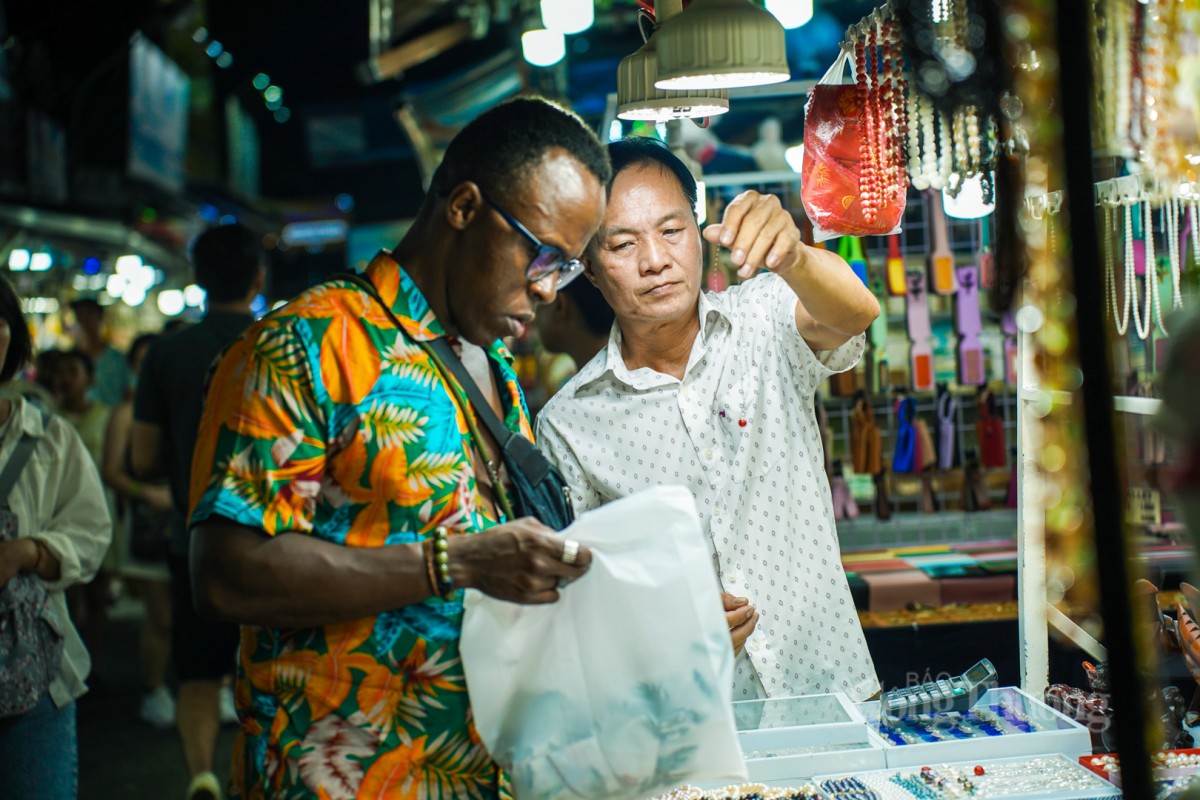
Shopping can also be part of the fun when visiting local markets, but prices are not always fixed. In busy tourist areas, foreign tourists may occasionally be quoted a higher initial price, so checking typical prices beforehand can help you avoid overpaying. At traditional markets and souvenir stalls where prices are negotiable, bargaining in Vietnam is perfectly normal. Keep it friendly, agree on the price before buying, and remember that a smile usually works better than turning the negotiation into a tiny international trade summit.
Staying Connected: SIM Cards, Internet, and Useful Apps
Staying online can make your first trip to Vietnam significantly easier. Free Wi-Fi is common at hotels, cafés, restaurants, and many tourist attractions, but you should not expect it to be available everywhere, especially when exploring local neighborhoods or traveling to more remote areas. Getting a Vietnam SIM card or eSIM with mobile data is therefore a practical choice for navigating, booking transportation, checking opening hours, and staying connected while you are on the move.
A few useful apps for Vietnam travel are worth downloading before your trip. Google Maps is particularly helpful for finding attractions, restaurants, hotels, and directions, while ride-hailing apps can make getting around unfamiliar cities much simpler. Saving important locations or downloading offline maps can also be useful in case your mobile connection becomes unstable.
Google Translate can be another lifesaver when exploring beyond major tourist areas. English is commonly spoken at hotels and businesses serving international tourists, but you may encounter local restaurants, markets, or small shops where the owners speak little or no English. Having a translation app ready, preferably with Vietnamese downloaded for offline use, can make ordering food, asking for directions, and communicating with locals much easier.
Your first trip to Vietnam may come with a few surprises, from navigating busy streets and paying with cash at a tiny local eatery to figuring out what to pack for completely different weather across the country, but that unpredictability is also part of what makes exploring Vietnam so memorable. With a little preparation and these Vietnam travel tips in mind, you can spend less time worrying about the details and more time enjoying the food, culture, landscapes, and everyday moments along the way. If you want your first Vietnam adventure to feel a little more effortless, ACT Travel can help you plan a personalized itinerary, arrange transportation and accommodation, and discover authentic local experiences across the country, so you can leave the logistics to us and focus on experiencing Vietnam for the very first time.
Read this next


Travel Green for Earthday 2025
Quick Contact
Reviews from Customers
Please take a look at the following reviews from our customers
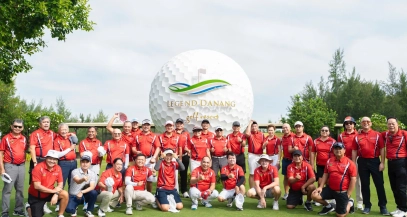
Mr Clarence- Travel President, Philippines
Vietnam | 01/14/2026
Luxury Golf Tour in Da Nang, 5days
Hi Jimy, We returned home safely today. I would like to say a special thanks to you and your team ACT TRAVEL. We really loved and satisfied with your pro services. We do love these golf courses in Da Nang. They were amazing and fantastic quality and view. We will come back here soon. I am looking foward to working together with you soon! Best regards, Mr Clarence- Travel President, Philippines
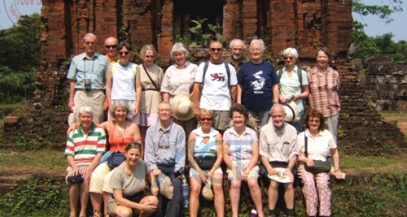
Mr. Jean Pie
United Kingdom | 10/13/2014
RAM Holidays from UK (Impressive of Vietnam 15 days)
Mr. Jean Pie – Tour Leader said “Thank you very much for doing such an excellent job on the tour. You went above and beyond for all of us and we really appreciate all your hard work. Thank you for your calm leadership through the “HAIYAN” storm, you really help us through it. Thanks to ACT Travel, we had a wonderful time and unforgettable memory”.
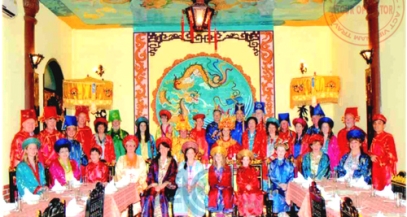
Mr. Navy Vang
Australia | 10/13/2014
Mandarin Group from Australia (Charming Vietnam 10 Days)
Mr. Navy Vang - Tour manager from Australia said: " Wow what a great vacation !. Thank you Mr Kelvin Pham so much. We are very grateful for everything you did for us and everything went very well. We’re safe and sound back home thinking about the joy we experienced. I've already decided that when I choose to travel again, I will go through your company. I also highly recommend ACT Travel Travel to any organization looking for a great agency. Kind regards
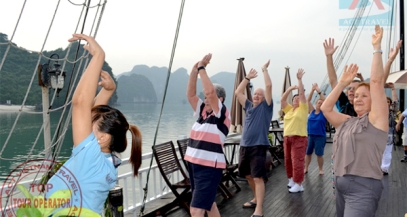
Mr. Ricardo - Program Manager
Brazil | 03/31/2014
DOMINGOS Group from Brazin (IMPRESSIVE VIETNAM 17 DAYS.)
Mr. Ricardo - Program Manager said “Dear Kelvin, Thanks you very much for your well arrangement. Thank you for the updated weather information. I have traveled a lot as a geography professor and dealt with many tour operators. You are one of the best tour operators who can take so much concern and care about customers. I must congratulate you on your good organization and care to minute points. Thanks for the mobile phone you provided to us and SIM cards you provide to all of us (29 cards, I know they are not cheap), it was an excellent convenience for us. It was a brilliant idea and we really appreciated knowing there was someone we could contact at any time should we need to. We love your welcome dinner at Binh Quoi village, where we enjoyed rich traditional southern Vietnamese cuisine with musical accompaniment provided by local folk musicians. We were very interested in the traditional Vietnamese wedding in Binh Quoi and we never forget the “Gong show” in Buon Me Thuot. Once again, thank you very much for great job”.
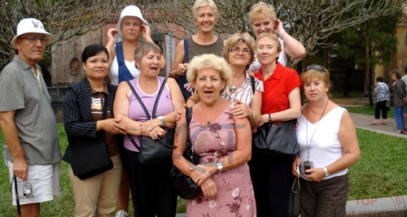
Ms. Barbara Betts
Australia | 10/13/2014
Orbiz Group from Australia (Discover Vietnam and Cambodia 15 Days)
Ms. Barbara Betts - Escorted guide from Australia said: " Dear Kelvin I want to take this opportunity to thanks you for providing us with superb guides in Vietnam and Cambodia. Well, Manh - tour guide in Vietnam is very professional and knowledegable and you can feel very safe in allowing him to guide your tours. The drivers you provided were also friendly, capable and they too did everything for the group to be happy Thanks you Kelvin so far for a fabulous tour.
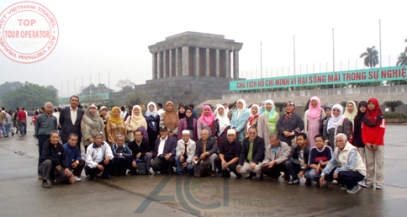
Mr. Dany
Malaysia | 10/13/2014
Teachers Group From Malaysia ( Hanoi – Halong bay – Ninh Binh 6 Days )
Mr. Dany - Escorted guide from Malaysia said: " Hi Kelvin Pham, Thanks for arranging a great trip. I wanted to let you know how pleased we were with the itinerary and all the arrangements you organized. Everything worked extremely well and went exactly as planned. The guides were very knowledgable. My favorite site was cruising on the Halong bay. The hotels were great as they were located at the heart of city. We did enjoy eating at the local restaurants as arranged by ACT. The foods were sometimes unusual, but still tasty. I loved “Pho Hanoi“ very much and I would try to cook at my home… Thanks again
Mr. Ohad
Turkey | 10/13/2014
Istmaz Group from Turkey (Saigon - Mekong Delta - Cambodia - Angkor Wat 12 Days).
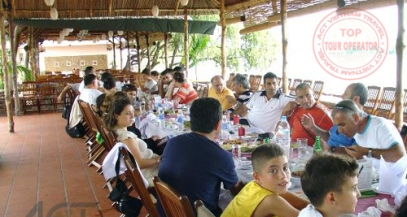
Mr. Ohad - The Tour Leader said: " On behalf of the entire group, I just wanted to thank both of you for all your help and outstanding execution in making our trip memorable! The entire group could not say enough great things about how well organized & smooth everything went. I really enjoyed Vietnam & Travel. Both tour guides were terrific and Angkor Wat was just amazing! All your arrangements worked out very smoothly and I consider the pilgrimage to be a great success ".
Mr. Steven
United Kingdom | 10/13/2014
Ponila Group from UK (Higlight of Vietnam 16 Days).
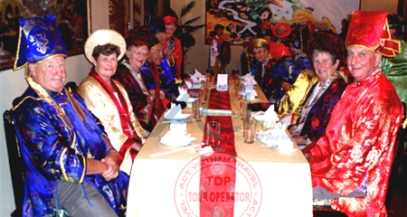
Mr. Steven - Escorted guide from UK said: Our trip to Vietnam was overall a positive one. We were very happy with the level of accommodation and quality of the food at all times. We love Hanoi but Ha Long Bay is certainly one of the most beautiful places we have ever seen; the old city in Hoi An has great potential becoming a world-class tourist attraction; and citadel in Hue embodies a great deal of historic signifance, we have a lot of photos in Hue. Cruising on Mekong Delta river was so interesting and Dalat highland was very romantic. Finally, please give our thanks to the tour guides Mrs Phuong, Mr Ky and the drivers who accompanied us throughout, always accommodating to the group's requests and last minute changes in itinerary. We won't forget you!
Mr. Barrick
United States | 10/13/2014
Global Alliane Group From USA (Discover Vietnam – Cambodia 10 Days)
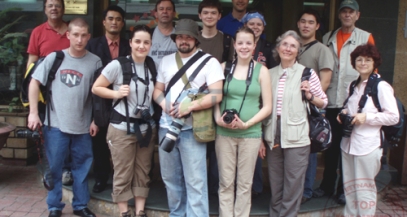
Mr. Barrick - the Tour Leader said: " Dear ACT Team,This is to thank you, and all of those who organised and guided our visit to Vietnam & Cambodia, for a superb holiday. We had a trip of a life time. Everything we were promised happened and more. We brought back so many memories and stories. The restaurants were wonderful and the hotels were great. Mr Nguyen had such a lot of knowledge he shared with us, and had a great sense of humor. He even knew of some Cambodian slang words. The whole trip will be something we will always remember and share with our family and friends. Thanks for all your help in making it so enjoyable. We shall tell all our friends traveling to Indochina that they must use ACT Travel's services !! ".
Partner



ACT VIETNAM TRAVEL
No 3, Alley 25, Dich Vong Hau Str, Cau Giay Dist, Hanoi Capital, Vietnam
sales@vietnamtraveland.com - jimy@vietnamtraveland.com - vip@vietnamtraveland.com
License: 01-639/2015/CDLQGVN-GPLHQT
Company
Term of use
Payment Methods


