

Vietnam National Day: History, Meaning & Travel Tips for Tourists
Content []
Vietnam National Day: History, Meaning & Travel Tips for Tourists
The History Behind Vietnam National Day
Vietnam National Day, celebrated every September 2, commemorates one of the most significant moments in modern Vietnamese history. The date marks the proclamation of independence in 1945, when President Ho Chi Minh read the Declaration of Independence at Ba Dinh Square in Hanoi, formally announcing the birth of the Democratic Republic of Vietnam. Vietnam’s Constitution also officially recognizes September 2, 1945, as the country’s National Day.
The story behind this historic day began during the final months of World War II. In August 1945, Japan’s surrender created a major political opening in Vietnam. The Viet Minh led the August Revolution, with uprisings spreading across the country and the existing imperial government losing its authority. On August 25, Emperor Bao Dai abdicated, bringing the Nguyen Dynasty to an end and marking the end of Vietnam’s long-standing monarchy.
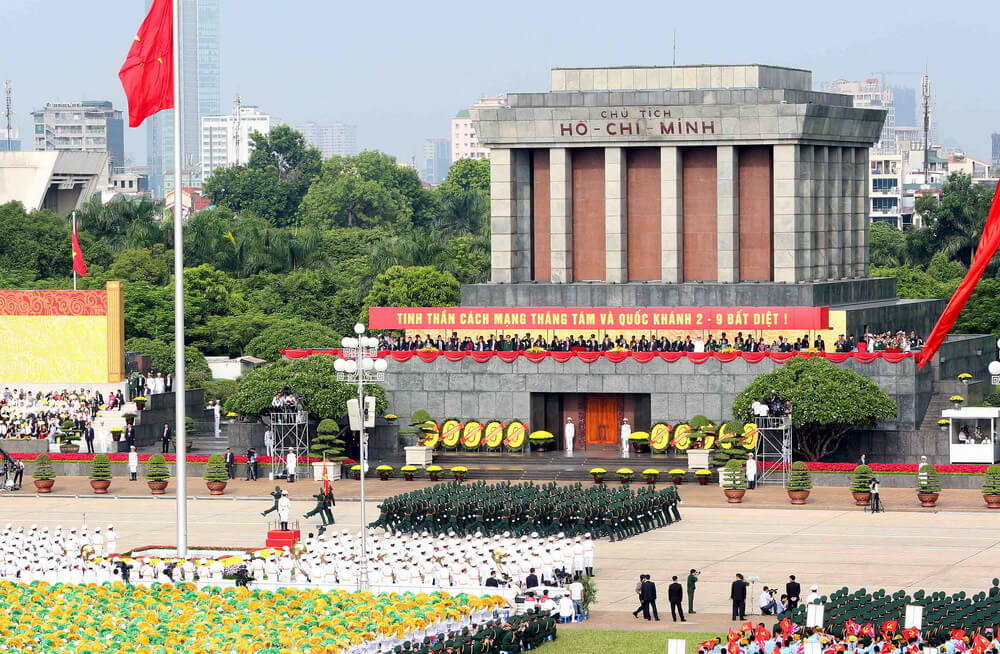
The Declaration of Independence
On September 2, 1945, hundreds of thousands of people gathered at Ba Dinh Square in Hanoi for a historic public ceremony World War II to an official close. Against this wider historical backdrop, September 2 became a defining date not only for Vietnam but also for the transformation of the post-war world.
The Declaration itself drew on influential ideas of liberty and equality from the United States Declaration of Independence and the French Declaration of the Rights of Man and of the Citizen. By referencing these principles, the document connected Vietnam’s claim to independence with broader ideas of national self-determination, freedom, and equality.
The date also carried international significance. On the same day, September 2, 1945, Japan formally signed its Instrument of Surrender to the Allied Powers aboard the USS Missouri, bringing World War II to an official close. Against this wider historical backdrop, September 2 became a defining date not only for Vietnam but also for the transformation of the post-war world.
Today, Vietnam National Day commemorates the moment President Ho Chi Minh proclaimed independence and the birth of a new Vietnamese state. For Vietnamese people, it represents a historic turning point associated with independence, freedom, national sovereignty, and a new era in the country’s history. For tourists visiting Vietnam, understanding this story can add another layer of meaning to the red flags, public celebrations, and historic landmarks they encounter during the holiday.
How Does Vietnam Celebrate National Day?
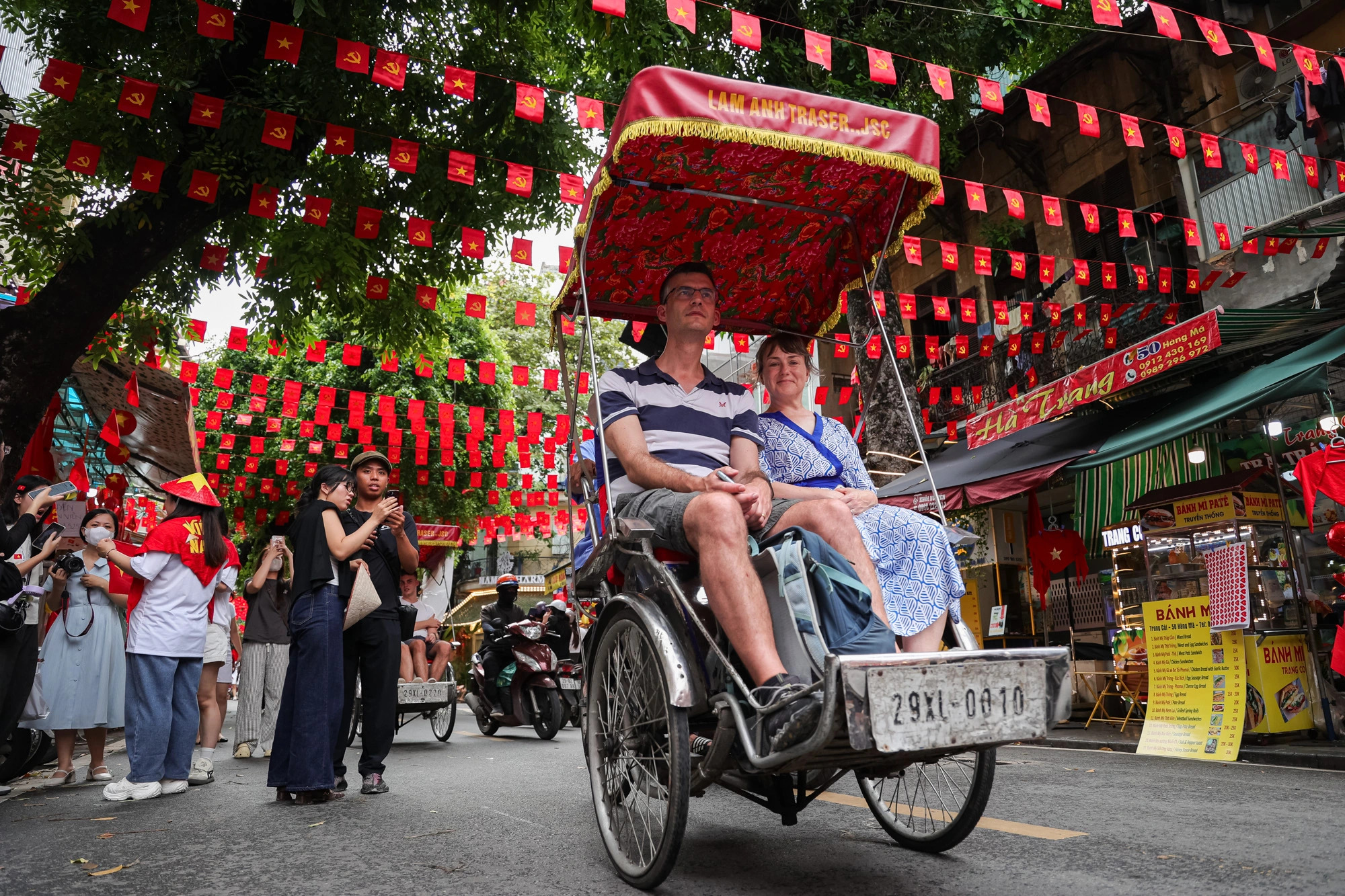
When Vietnam National Day arrives, cities across the country take on a distinctly festive atmosphere. Vietnamese flags, banners, and portraits of President Ho Chi Minh decorate streets, public buildings, and residential areas, creating a sea of red and yellow. In Hanoi, the most significant ceremonies take place around Ba Dinh Square, where formal flag-raising ceremonies and major commemorative events are held. In 2025, the capital hosted a large-scale National Day ceremony, parade, and march at Ba Dinh Square.
Beyond the official ceremonies, National Day is also a time for people to enjoy fireworks, cultural performances, historical sites, family gatherings, and domestic trips. For tourists, this makes September 2 Vietnam an especially interesting time to experience the country's patriotic spirit and local culture.
Together, these destinations offer different perspectives on Vietnam's history and national identity, from the birthplace of the 1945 independence declaration in Hanoi to the reunification milestone represented by Independence Palace in Ho Chi Minh City.
What Should Tourists Know Before Visiting Vietnam During National Day?
Vietnam National Day is part of a long holiday period, making it one of the busiest times of the year for domestic travel. Major cities and popular tourist destinations can become noticeably more crowded as people take advantage of the break to explore the country. Hanoi and Ho Chi Minh City are among the most popular choices, thanks to their rich history, food culture, and wide range of attractions. Meanwhile, coastal and island destinations such as Da Nang, Hoi An, Phu Quoc, and Con Dao also attract large numbers of visitors during the holiday.
Airfares can rise significantly as September 2 approaches, particularly on popular domestic routes such as Hanoi to Ho Chi Minh City, Da Nang, and Phu Quoc. During peak travel dates, fares on some routes may approach twice their usual prices, especially for flights booked close to the holiday. To make your trip smoother and avoid unnecessary costs, compare flight and hotel prices early and book as soon as your itinerary is confirmed. Flight-and-hotel packages can sometimes offer better value than booking each service separately. If your schedule allows, consider traveling a few days before or after the peak holiday dates, when transportation and accommodation may be less crowded and more affordable.
It is also worth allowing extra time for airport transfers and sightseeing, as busy roads, crowded attractions, and increased domestic travel can make journeys slower than usual. With a little advance planning, tourists can enjoy the festive atmosphere of Vietnam National Day while avoiding some of the busiest moments of the holiday.
If you want to experience the atmosphere of National Day more closely, consider adding these places to your itinerary:
Ho Chi Minh Mausoleum, Hanoi
Located within the Ba Dinh historical complex, the Ho Chi Minh Mausoleum is one of the most significant places to visit during National Day. The surrounding area hosts solemn ceremonies and flag-raising activities, offering tourists an opportunity to observe an important part of Vietnam's national traditions.
Hanoi Old Quarter
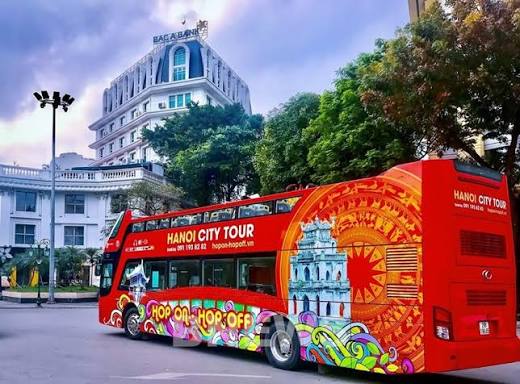
The Old Quarter becomes especially vibrant around National Day, with streets decorated with Vietnamese flags and flowers alongside its familiar street food and cultural atmosphere. For a relaxed way to take in the scenery, tourists can hop on a Hanoi city bus and enjoy views of the capital dressed in red and yellow. Early September also marks the beginning of Hanoi's pleasant autumn atmosphere, making a city tour particularly enjoyable.
Independence Palace, Ho Chi Minh City
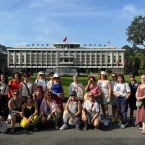
For tourists in southern Vietnam, Independence Palace is an important historical landmark connected to the country's journey toward reunification. The site preserves historical rooms, artifacts, photographs, and other materials related to major events in modern Vietnamese history, including the fall of Saigon on April 30, 1975.
Vietnam National Day is more than a public holiday. It is a meaningful moment to discover Vietnam’s history, culture, and national pride through its landmarks, celebrations, and vibrant streets. If you are planning to visit Vietnam around September 2, a little advance preparation can help you experience the festivities comfortably while making the most of your journey. Plan your trip with ACT Travel Agent and discover Vietnam during one of its most memorable times of the year.
Read this next

Travel Green for Earthday 2025
Quick Contact
Reviews from Customers
Please take a look at the following reviews from our customers

Mr Clarence- Travel President, Philippines
Vietnam | 01/14/2026
Luxury Golf Tour in Da Nang, 5days
Hi Jimy, We returned home safely today. I would like to say a special thanks to you and your team ACT TRAVEL. We really loved and satisfied with your pro services. We do love these golf courses in Da Nang. They were amazing and fantastic quality and view. We will come back here soon. I am looking foward to working together with you soon! Best regards, Mr Clarence- Travel President, Philippines
Mr. Jean Pie
United Kingdom | 10/13/2014
RAM Holidays from UK (Impressive of Vietnam 15 days)
Mr. Jean Pie – Tour Leader said “Thank you very much for doing such an excellent job on the tour. You went above and beyond for all of us and we really appreciate all your hard work. Thank you for your calm leadership through the “HAIYAN” storm, you really help us through it. Thanks to ACT Travel, we had a wonderful time and unforgettable memory”.
Mr. Navy Vang
Australia | 10/13/2014
Mandarin Group from Australia (Charming Vietnam 10 Days)
Mr. Navy Vang - Tour manager from Australia said: " Wow what a great vacation !. Thank you Mr Kelvin Pham so much. We are very grateful for everything you did for us and everything went very well. We’re safe and sound back home thinking about the joy we experienced. I've already decided that when I choose to travel again, I will go through your company. I also highly recommend ACT Travel Travel to any organization looking for a great agency. Kind regards
Mr. Ricardo - Program Manager
Brazil | 03/31/2014
DOMINGOS Group from Brazin (IMPRESSIVE VIETNAM 17 DAYS.)
Mr. Ricardo - Program Manager said “Dear Kelvin, Thanks you very much for your well arrangement. Thank you for the updated weather information. I have traveled a lot as a geography professor and dealt with many tour operators. You are one of the best tour operators who can take so much concern and care about customers. I must congratulate you on your good organization and care to minute points. Thanks for the mobile phone you provided to us and SIM cards you provide to all of us (29 cards, I know they are not cheap), it was an excellent convenience for us. It was a brilliant idea and we really appreciated knowing there was someone we could contact at any time should we need to. We love your welcome dinner at Binh Quoi village, where we enjoyed rich traditional southern Vietnamese cuisine with musical accompaniment provided by local folk musicians. We were very interested in the traditional Vietnamese wedding in Binh Quoi and we never forget the “Gong show” in Buon Me Thuot. Once again, thank you very much for great job”.
Ms. Barbara Betts
Australia | 10/13/2014
Orbiz Group from Australia (Discover Vietnam and Cambodia 15 Days)
Ms. Barbara Betts - Escorted guide from Australia said: " Dear Kelvin I want to take this opportunity to thanks you for providing us with superb guides in Vietnam and Cambodia. Well, Manh - tour guide in Vietnam is very professional and knowledegable and you can feel very safe in allowing him to guide your tours. The drivers you provided were also friendly, capable and they too did everything for the group to be happy Thanks you Kelvin so far for a fabulous tour.
Mr. Dany
Malaysia | 10/13/2014
Teachers Group From Malaysia ( Hanoi – Halong bay – Ninh Binh 6 Days )
Mr. Dany - Escorted guide from Malaysia said: " Hi Kelvin Pham, Thanks for arranging a great trip. I wanted to let you know how pleased we were with the itinerary and all the arrangements you organized. Everything worked extremely well and went exactly as planned. The guides were very knowledgable. My favorite site was cruising on the Halong bay. The hotels were great as they were located at the heart of city. We did enjoy eating at the local restaurants as arranged by ACT. The foods were sometimes unusual, but still tasty. I loved “Pho Hanoi“ very much and I would try to cook at my home… Thanks again
Mr. Ohad
Turkey | 10/13/2014
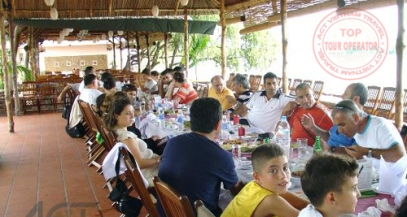
Istmaz Group from Turkey (Saigon - Mekong Delta - Cambodia - Angkor Wat 12 Days).
Mr. Ohad - The Tour Leader said: " On behalf of the entire group, I just wanted to thank both of you for all your help and outstanding execution in making our trip memorable! The entire group could not say enough great things about how well organized & smooth everything went. I really enjoyed Vietnam & Travel. Both tour guides were terrific and Angkor Wat was just amazing! All your arrangements worked out very smoothly and I consider the pilgrimage to be a great success ".
Mr. Steven
United Kingdom | 10/13/2014
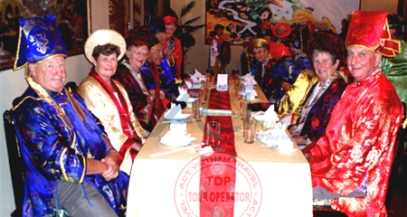
Ponila Group from UK (Higlight of Vietnam 16 Days).
Mr. Steven - Escorted guide from UK said: Our trip to Vietnam was overall a positive one. We were very happy with the level of accommodation and quality of the food at all times. We love Hanoi but Ha Long Bay is certainly one of the most beautiful places we have ever seen; the old city in Hoi An has great potential becoming a world-class tourist attraction; and citadel in Hue embodies a great deal of historic signifance, we have a lot of photos in Hue. Cruising on Mekong Delta river was so interesting and Dalat highland was very romantic. Finally, please give our thanks to the tour guides Mrs Phuong, Mr Ky and the drivers who accompanied us throughout, always accommodating to the group's requests and last minute changes in itinerary. We won't forget you!
Mr. Barrick
United States | 10/13/2014
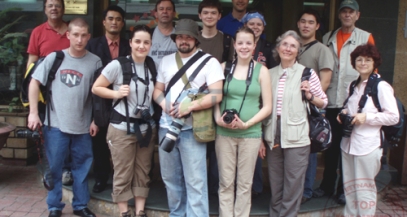
Global Alliane Group From USA (Discover Vietnam – Cambodia 10 Days)
Mr. Barrick - the Tour Leader said: " Dear ACT Team,This is to thank you, and all of those who organised and guided our visit to Vietnam & Cambodia, for a superb holiday. We had a trip of a life time. Everything we were promised happened and more. We brought back so many memories and stories. The restaurants were wonderful and the hotels were great. Mr Nguyen had such a lot of knowledge he shared with us, and had a great sense of humor. He even knew of some Cambodian slang words. The whole trip will be something we will always remember and share with our family and friends. Thanks for all your help in making it so enjoyable. We shall tell all our friends traveling to Indochina that they must use ACT Travel's services !! ".
Partner



ACT VIETNAM TRAVEL
No 3, Alley 25, Dich Vong Hau Str, Cau Giay Dist, Hanoi Capital, Vietnam
sales@vietnamtraveland.com - jimy@vietnamtraveland.com - vip@vietnamtraveland.com
License: 01-639/2015/CDLQGVN-GPLHQT
Company
Term of use
Payment Methods


